
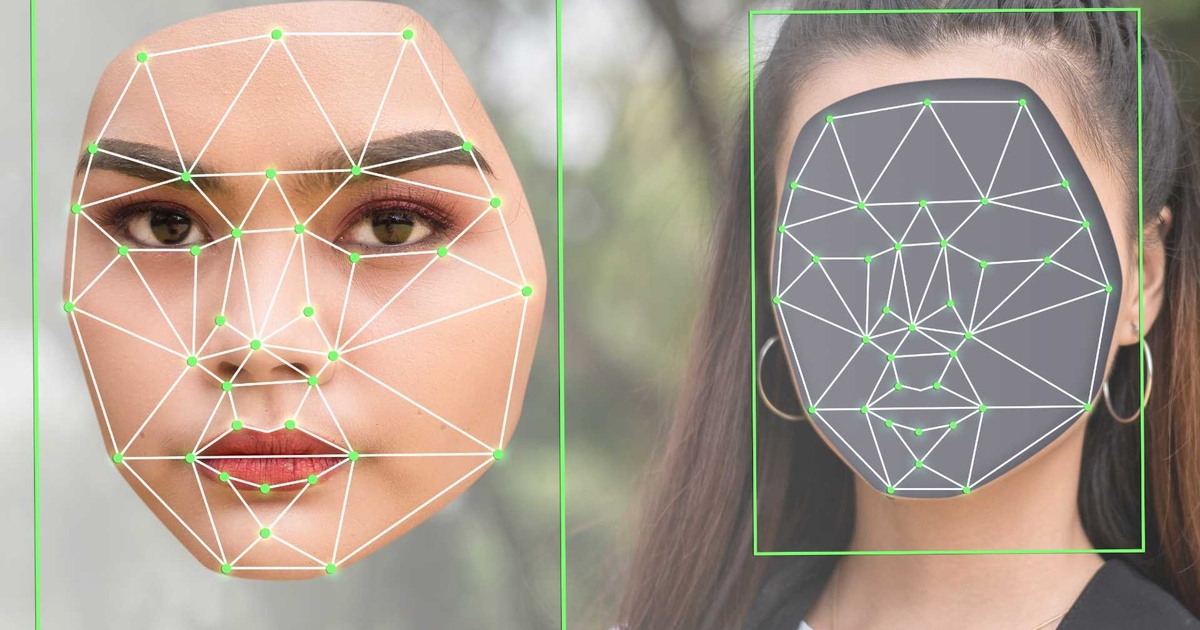


Modern fraud groups have found a new weapon in their arsenal – generative artificial intelligence (GenAI) and deepfakes. These sophisticated technologies are being used to steal millions of dollars through the creation of fake identities and documents that are almost indistinguishable from authentic ones.
In the past, fake identity documents may have been relatively crude forgeries that could sometimes fool unsuspecting individuals or businesses. However, today’s fraud groups are leveraging cutting-edge AI-driven deepfake technology to take their scams to the next level. Ofer Freidman, chief business development officer of AU10TIX, a company specializing in identity verification and ID management automation, explains that these modern fraudsters are using GenAI to craft convincing fake identities and execute elaborate fraud schemes.
The process begins with fraudsters acquiring personal data through various means such as phishing, social engineering, or hacking into corporate databases. Additionally, they may also purchase personal information from underground cybercrime marketplaces. Once they have the data in hand, they employ AI algorithms to randomize key details like names, addresses, and document numbers to create entirely new fake identities. Unlike humans, AI is adept at avoiding repetitive patterns, increasing the chances that these fake identities will go undetected by security systems and monitoring tools.
Traditionally, identifying a forgery involved looking for inconsistencies like mismatched shadows or areas of low resolution. However, with the rise of deepfake technology, spotting fakes has become increasingly challenging. While there are still some telltale signs that can help identify deepfakes, such as counting the fingers on a person’s hands, these models are continuously improving and producing high-quality content that is harder to distinguish from reality.
One of the key advantages for fraudsters utilizing GenAI and deepfakes is the industrialized and systematic nature of their operations. As Freidman points out, with the assistance of AI technology, scammers can orchestrate numerous smaller fraud attempts instead of relying on infrequent large payouts. This shift in approach allows fraudsters to scale their operations significantly, as the effort required remains the same whether they are targeting a single million-dollar heist or one hundred $10,000 scams.
In conclusion, the convergence of generative artificial intelligence and deepfake technology has enabled modern fraud groups to carry out increasingly sophisticated and lucrative schemes. As these technologies continue to evolve, it will become even more challenging for security professionals and law enforcement agencies to detect and prevent fraud. Staying vigilant and investing in advanced fraud detection solutions will be crucial in combating this growing threat in the digital age.