


OneTrust’s New CEO Emphasizes the Need for Robust AI Governance Amid Rapid Tech Adoption
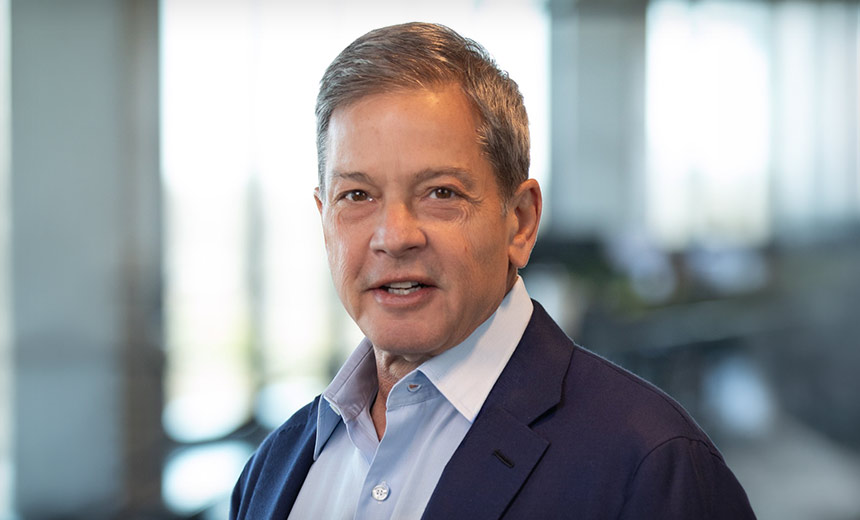
In a significant development for the artificial intelligence governance sector, OneTrust has appointed John Heyman, former CEO of Snap One, as its new Chief Executive Officer. His primary directive focuses on establishing frameworks that ensure the safe adoption of artificial intelligence technologies within enterprises. This leadership change occurs at a crucial moment when organizations are grappling with the complexities of integrating numerous AI agents into their operations.
Heyman takes the helm of OneTrust, an Atlanta-based vendor specializing in AI governance, and is charged with the urgent task of developing systems that will enhance tracking of AI activities, data flow monitoring, and risk management across both internal operations and third-party technologies. He points out that OneTrust’s existing proficiency in privacy, consent, and risk management guidelines will serve as a solid foundation for overcoming the governance hurdles that arise from the rapid deployment of AI technologies.
Reflecting on the swift evolution of AI’s role in business, Heyman noted, “At the beginning of 2025, companies didn’t have a single generative AI agent in production within their business. By the end of last year, they had tens of agents. If you fast forward to the end of 2026, they’ll have hundreds, if not thousands, of agents operational in their businesses.” This rapid growth underscores the pressing need for structured governance measures that can keep pace with technological advances.
Prior to joining OneTrust, Heyman boasted an impressive track record, having spent nearly eleven years steering Snap One as CEO and six years at the helm of hospitality and retail technology provider Radiant Systems before its acquisition by NCR in 2011. He succeeds Kabir Barday, who founded OneTrust in 2016 and will continue to be an influential voice on the board. Heyman expressed the importance of collaboration with Barday, who possesses extensive market knowledge and is well-respected among peers and employees alike.
The Urgency of AI Governance
The rapid proliferation of AI tools presents unique governance challenges, as departments within organizations now deploy AI agents for various functions. Heyman stated that it is vital for organizations to maintain oversight and control over the operations of these AI systems, determining what data they access and how they interact with existing technological infrastructures. The swift adoption of AI solutions has outpaced the capacity of traditional governance frameworks, necessitating the development of innovative tools and strategies.
“It’s crucial to keep up with the increased transparency and shareability of data in this new AI landscape,” Heyman emphasized. “Without the right technological infrastructure, companies will struggle to effectively manage and govern the copious amounts of data flowing from their AI systems.”
Heyman elaborated that the principles of traditional privacy monitoring are becoming increasingly relevant as companies evolve their AI governance frameworks. The manner in which AI agents navigate and utilize data shares similarities with existing consent and compliance systems. Given OneTrust’s established capabilities in these realms, the company is positioning itself favorably to address emerging AI governance issues.
Convergence of Privacy and Security
As the reliance on AI continues to grow, concerns regarding data privacy are becoming more pronounced. The introduction of various AI technologies results in a significant uptick in processing, analyzing, and sharing personal information. According to Heyman, this heightened level of access to sensitive data will amplify privacy apprehensions among both organizations and consumers.
Traditionally, privacy management has been focused on regulatory compliance and consent, while data security has concentrated on preventing unauthorized access and breaches. However, with the increasing complexity of digital environments, it has become vital for organizations to address both privacy obligations and security risks concurrently. “Privacy is more critical than ever as organizations strive to manage personal data responsibly,” he remarked.
Scaling Infrastructure and Fostering Customer Success
As OneTrust seeks to expand its role in AI governance, Heyman recognizes the necessity of investing in scalable infrastructure that effectively serves both employees and customers. This entails creating knowledge-based systems that empower teams to access product information swiftly and efficiently, thereby enhancing the overall customer experience.
“Growth is contingent on the processes we put in place to ensure we deliver value to our customers. It is essential that we make OneTrust as user-friendly as possible, especially as we scale,” he stated.
Heyman also asserted that customer satisfaction will be the cornerstone of all business operations, spanning product development, sales, implementation, and support. “The primary metric I will focus on is a robust measure of customer success,” he affirmed. He envisions fostering a company culture that prioritizes the success of customers and those who selected OneTrust within their organizations, ensuring a steadfast commitment to delivering quality and value.
In summary, under John Heyman’s leadership, OneTrust is poised to navigate the evolving landscape of AI governance. Through the establishment of robust frameworks and a steadfast focus on customer satisfaction, the organization aims to lead in the responsible and innovative application of artificial intelligence within the enterprise context.