
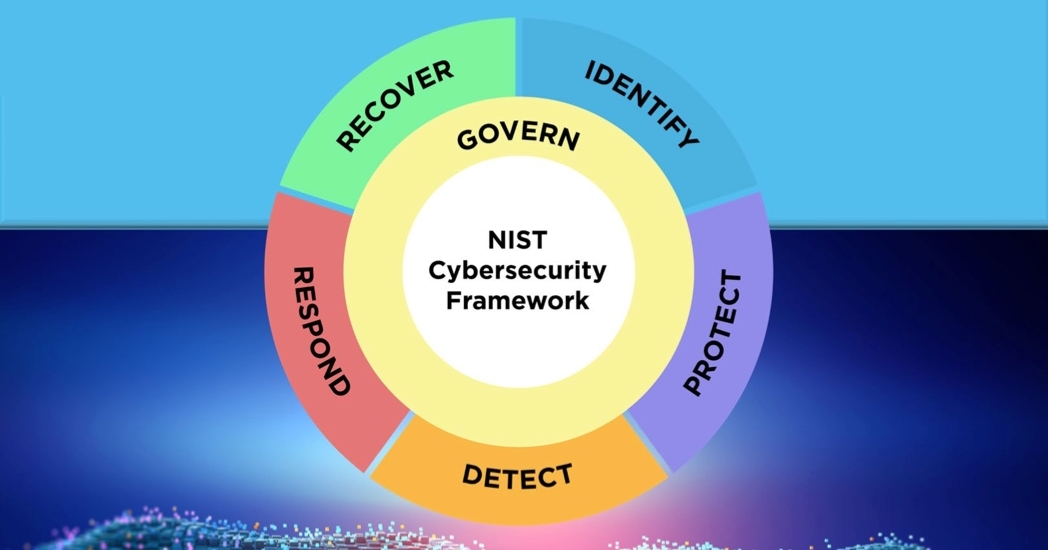
The National Institute of Standards and Technology (NIST) recently announced significant updates to its guidelines for creating robust cybersecurity programs aimed at enhancing the security of organizations of all sizes. The revised guidelines are designed to provide a comprehensive framework that can be effectively implemented by businesses and government agencies to better protect their sensitive data and systems from cyber threats.
One of the key aspects of the updated NIST guidelines is the emphasis on risk management and assessment. Organizations are encouraged to conduct thorough risk assessments to identify potential vulnerabilities and threats to their information systems. By understanding their specific risks, organizations can develop tailored cybersecurity plans that address their unique needs and priorities. This proactive approach to risk management can help organizations stay ahead of potential cyber attacks and minimize the impact of security breaches.
In addition to risk management, the revised NIST guidelines also highlight the importance of continuous monitoring and evaluation of cybersecurity measures. Organizations are advised to regularly review and update their security protocols to ensure they remain effective against evolving threats. By constantly monitoring their cybersecurity practices, organizations can identify and address any weaknesses or vulnerabilities before they are exploited by cyber criminals.
Another key aspect of the updated NIST guidelines is the emphasis on collaboration and information sharing. Organizations are encouraged to work together with industry partners, government agencies, and cybersecurity experts to share best practices and strategies for enhancing their security posture. By collaborating with others in the cybersecurity community, organizations can benefit from a collective pool of knowledge and resources that can help them identify and respond to emerging threats more effectively.
Furthermore, the revised NIST guidelines encourage organizations to invest in employee training and awareness programs to promote a culture of cybersecurity throughout the organization. Employees are often the first line of defense against cyber threats, and by providing them with the necessary knowledge and skills to identify and respond to security risks, organizations can significantly enhance their overall security posture. Training programs should cover topics such as phishing awareness, password security, and social engineering tactics to help employees become more vigilant and proactive in protecting sensitive information.
Overall, the updated NIST guidelines provide organizations with a comprehensive roadmap for enhancing their cybersecurity programs and better protecting their sensitive data and systems from cyber threats. By focusing on risk management, continuous monitoring, collaboration, and employee training, organizations can develop a robust cybersecurity strategy that can effectively mitigate the risks posed by cyber attacks. Implementing the recommendations outlined in the revised NIST guidelines will help organizations of all sizes improve their security posture and safeguard their critical assets in an increasingly digital and interconnected world.