
North Korea’s Antivirus Software: A Strategic Shift to Open-Source Technology
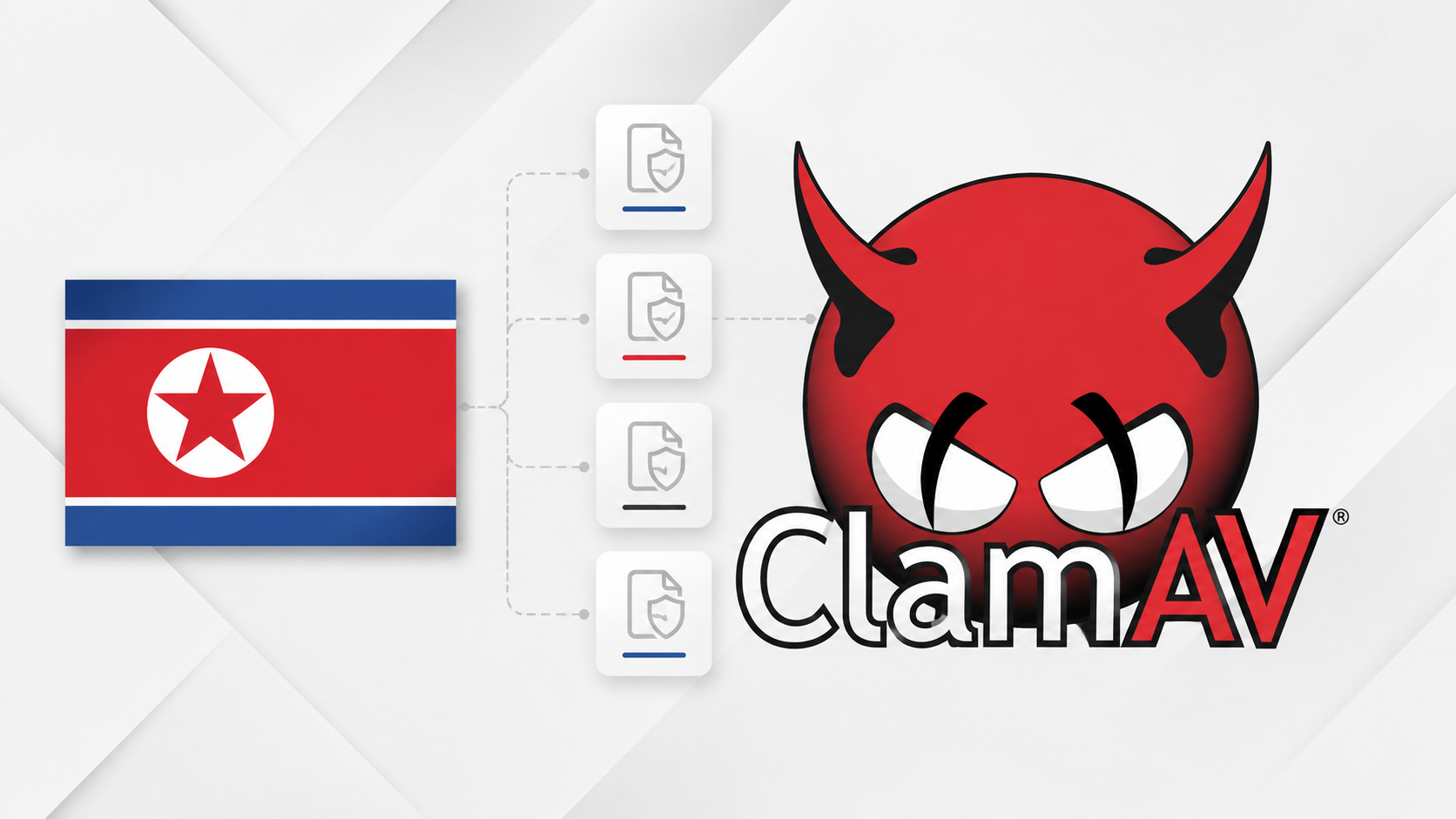
In a significant development within cybersecurity, North Korea has newly announced that its national antivirus software has transitioned to utilizing the open-source ClamAV engine. This software adjustment underscores a broader trend of Pyongyang’s reliance on foreign technology, revealing the state’s ongoing struggle to establish a self-sufficient technological infrastructure. By rebranding ClamAV, officials have launched multiple versions of the antivirus tool under various domestic names, thereby masking the software’s genuine roots while simultaneously catering to local market needs.
ClamAV, a well-known open-source antivirus engine meticulously maintained by the Cisco Talos team, serves a multitude of purposes, including scanning emails, detecting malware, and scrutinizing files for threats across Unix-like systems. By leveraging the General Public License (GPL)-licensed code from ClamAV, North Korean developers have managed to repurpose a sophisticated detection engine, extending the functionality of its signature format and update framework without investing the considerable resources required to construct an antivirus stack from the ground up.
This development is not unprecedented; prior assessments of North Korea’s security software have indicated a pattern of borrowing from established third-party antivirus solutions. The case study of SiliVaccine exemplified this trend, as researchers noted extensive integrations of foreign development practices within North Korean cybersecurity software. The latest iteration appears to be an even bolder incarnation of this approach, as North Korea has seemingly reengineered a ClamAV-based antivirus and packaged it under at least four distinct product identities aimed at various operational contexts, such as governmental, military, research, and enterprise environments.
Examining the four distinct brands of this rebranded antivirus illuminates a strategic ploy to present an image of indigenous cybersecurity capabilities to local stakeholders, while concurrently benefiting from well-established foreign detection technologies. Each variant may serve a specific clientele, inescapably adorned with tailored branding that reflects the Pyongyang administration’s objectives of outputting localized solutions without disclosing external dependencies.
Diving deeper into the technical aspects, routine analysis reveals that despite being marketed as unique security products, all variants are rooted in a shared lineage. They retain ClamAV’s recognizable signature taxonomy, complete with consistent category and platform names, as well as adhering to easily identifiable naming conventions for malware families and Common Vulnerabilities and Exposures (CVE) identifiers. This detail highlights an overarching narrative where branding segmentation overshadows substantial technical differentiation, reducing the overall engineering workload while preserving crucial functionalities.
Furthermore, examination of the update processes and database file structures reveals striking similarities to ClamAV’s established patterns. These findings imply that North Korean developers may be siphoning portions of signature feeds instead of innovatively crafting original detection protocols, casting doubt on the autonomy of their antivirus solutions. Administrators within Pyongyang may view the various versions as separate products, but the underlying detection mechanisms are inexorably linked to a repurposed open-source engine.
Analysts from StealthMole suggest that North Korea’s endeavor to rebuild ClamAV serves three key advantages: swift access to a functional malware detection infrastructure, reduced developmental expenditures, and an ability to offer local clients a façade of self-reliant cybersecurity solutions, particularly in politically sensitive contexts. However, this reappropriation of technology raises alarm among international defenders, who recognize the potential dual-use nature of such software paradigms.
Operating a platform deeply rooted in globally recognized open-source code, particularly for a state engaged in offensive cyber operations, presents myriad opportunities for misuse. The very capabilities that empower North Korea’s antivirus can also be exploited to breach similar defenses elsewhere, thereby magnifying global security concerns.
Moreover, this instance reflects a broader phenomenon where underground and state-affiliated actors repurpose publicly available tools and technologies. Investigations into the dark web have unearthed how operators like “ModernStealer” are structuring data offerings around persistent identifiers rather than unique tools, highlighting how interconnected the landscape is.
As North Korea wields its adaptations of ClamAV under different monikers, the underlying principle remains that the true worth lies not in the myriad names adorning product packages, but in the collective utility of a ClamAV-derived engine. Consequently, this move represents a politically strategic maneuver aimed at underscoring self-reliance domestically, while implicitly acknowledging the necessity of leveraging external sources for maintaining operational effectiveness in an increasingly complex cybersecurity tableau.