
Critical Infrastructure Security
Program Offers Up to $100K for Security Upgrades and $50K for Assessments
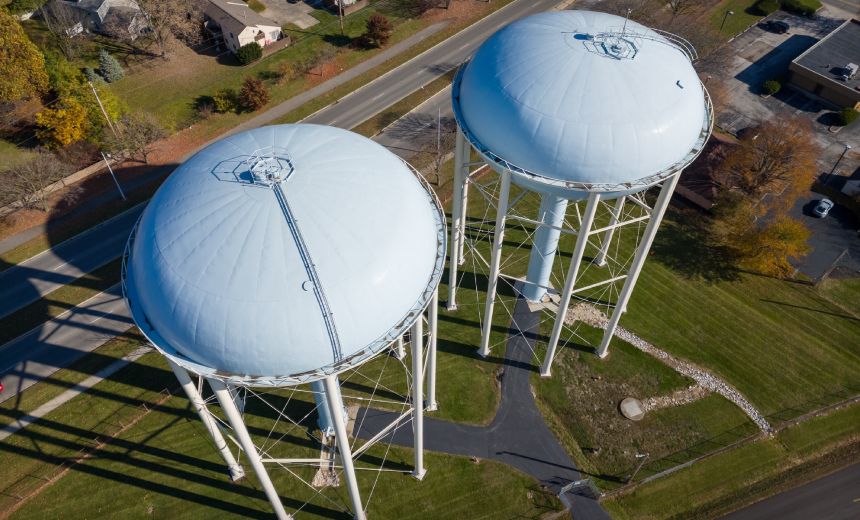
The state of New York has officially initiated a groundbreaking cybersecurity regulatory framework tailored specifically for water and wastewater utilities. This initiative is distinguished as a first-of-its-kind implementation that introduces new technical safeguards complemented by funding grants specifically designed for enhancing cybersecurity.
Governor Kathy Hochul has taken the lead in announcing the finalized cyber regulations that aim to bolster the security of public water systems across the state. The initiative is further complemented by a $2.5 million grant program intended to assist local operators in the execution of these new directives. This includes the execution of risk assessments and necessary upgrades to their digital defenses. State officials assert that these measures are critical in aiding utilities to improve their security posture while ensuring the integrity of services that millions of New Yorkers depend on daily.
The newly established regulations introduce enforceable cybersecurity standards applicable to both drinking water and wastewater operators throughout New York. This framework obligates utilities to devise formal security programs, identify cyber vulnerabilities, and adopt technical security measures specifically aimed at defending operational systems against potential cyberattacks. The initiative builds upon plans unveiled the prior year when New York set out to establish rigorous cybersecurity standards for its water sector, a domain that analysts argue has historically been less prepared for cyber threats compared to other critical infrastructure sectors.
In her announcement, Hochul emphasized the serious implications of cyberattacks on water infrastructure, noting that such threats could disrupt essential services and jeopardize public health and safety. This acknowledgment underscores the increasing importance of cybersecurity in safeguarding essential public utilities.
The Strengthening Essential Cybersecurity for Utilities and Resiliency Enhancements grant program will make available a total of $2.5 million aimed at assisting utilities in assessing cyber threats and deploying protective measures. This financial support includes grants of up to $50,000 allocated for cybersecurity assessments and up to $100,000 for the implementation of security enhancements. The urgency of this initiative is highlighted by the escalating concern that cyber threats targeting water infrastructure might interrupt essential services or compromise operations crucial for water treatment.
James McDonald, the State Health Commissioner for New York, expressed that these regulations are vital in fortifying defenses, enhancing monitoring capabilities, and ensuring that public drinking water systems are equipped to respond promptly and efficiently to potential incidents. The statement reflects a growing recognition of the need for proactive measures in the face of increasing cyber threats.
Experts have long contended that numerous water utilities nationwide are operating with constrained cybersecurity resources and staffing, often relying on outdated industrial control systems, thereby making them appealing targets for cybercriminals and foreign adversaries. Despite the fact that hackers have not yet managed to alter water quality at U.S. treatment facilities—thanks to multiple safety protocols designed to avert catastrophic failures—security analysts caution that the rapid digitization of the sector has introduced cyber risks that were previously negligible in an industry traditionally focused on reservoirs, treatment plants, and distribution systems.
Colin Ahern, the New York State Director of Security and Intelligence, emphasized that in the current threat landscape, safeguarding digital infrastructure is equally as critical as protecting the physical security of reservoirs. This perspective highlights the evolving nature of threats faced by critical infrastructure and the need for corresponding adaptations in security measures.
Additionally, these regulations are being introduced at a time when cyberattacks targeting U.S. water systems have garnered significant attention, particularly following incidents involving pro-Russian hackers. Notably, one such attack occurred in January 2024, leading to a situation where a Texas water utility faced overflowing drinking water. This incident serves as a stark reminder of the real threats facing critical infrastructure and the pressing need for robust regulatory frameworks to address these vulnerabilities.