
Agentic AI,
Artificial Intelligence & Machine Learning,
Litigation
Musk’s Claims Against Altman and Microsoft Dismissed After Less Than Two Hours
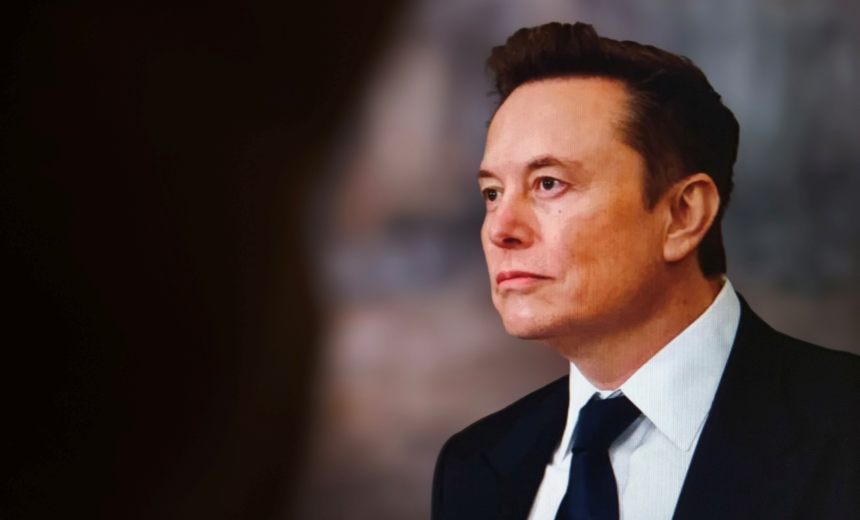
In a legal battle that captured widespread attention, a jury in a federal courtroom in Oakland deliberated for three weeks over a case initiated by billionaire entrepreneur Elon Musk against Sam Altman, the CEO of OpenAI. The public was expecting a dramatic showdown centered around the integrity and management of the AI research lab. However, the jury’s swift verdict—reached in less than two hours—rendered the trial’s sensationalism moot. They determined that Musk’s claims were effectively barred due to timing issues rather than substantive legal arguments.
The crux of Musk’s argument was that in transitioning OpenAI into a for-profit entity and securing a substantial $13 billion investment from tech giant Microsoft, Altman was committing what Musk described as “theft” from the charitable foundation that OpenAI was originally structured to be. Musk sought not just restoration of OpenAI’s nonprofit status but also launched a hefty demand for damages that could reach up to $150 billion. Moreover, he aimed for Altman and OpenAI’s president, Greg Brockman, to be ousted from their positions.
In delivering their unanimous verdict, the nine-person jury deftly sidestepped the murky waters of trust and ethical accountability that had characterized Musk’s allegations. They concluded that Musk had failed to initiate his legal claim pertaining to the breach of charitable trust within the legally mandated timeframe, which is set at three years for such claims. The jury established that Musk, who formally filed his lawsuit in August 2024, needed to prove that he was unaware of any alleged breaches before August 5, 2021, something he evidently could not substantiate.
Post-verdict, Musk took to social media platform X to express his dismay and reaffirm his conviction that Altman and Brockman had indeed profited improperly from the situation. He pointed out that the jury’s dismissal of his claims was based on timing rather than the merits of the allegations. Musk stated, “There is no question to anyone following the case in detail that Altman & Brockman did in fact enrich themselves by stealing a charity.” He also declared his intentions to appeal the judgment in order to uphold the principles governing charitable organizations in the U.S. and protect the intended benefits for mankind that OpenAI was founded to deliver.
In response, Microsoft welcomed the jury’s decision, emphasizing the clarity of the facts and timeline surrounding the case. “We remain committed to our work with OpenAI to scale AI for people and organizations around the world,” the company stated, reinforcing its ongoing partnership with the AI research lab amid the unfolding legal saga.
The swift dismissal of Musk’s case comes at a critical juncture for OpenAI, which is gearing up for a public offering with a valuation that could approach $1 trillion. Analysts suggest that a Musk victory could have disrupted these plans, creating uncertainty and chaos within the organization. The court proceedings shed light on how vital the management structures and ethical considerations are in the rapidly evolving space of artificial intelligence and its implications for society at large.
Judge Yvonne Gonzalez Rogers commented on the jury’s choice, praising the integrity of their decision-making process and stressing the importance of their role in reflecting community values. She noted, “A jury reflects the attitudes and mores of the community from which it is drawn.” The significance of this trial extends beyond just Musk and OpenAI, touching on broader themes of corporate ethics, the nature of philanthropy, and the role of the law in regulating intertwining interests of technology and societal benefit.
As Musk’s legal team indicated their plans to appeal, it might only mark the beginning of further legal entanglements in the landscape of AI and corporate governance. Meanwhile, Musk’s SpaceX is itself anticipating an IPO later this year, with expectations of a staggering valuation exceeding $1.2 trillion, indicating that the billionaire’s ventures remain prolific and multifaceted despite the current legal challenges. The legal proceedings regarding OpenAI are expected to evolve further, potentially setting precedents that could influence the future of charitable organizations and the tech industry as a whole.