
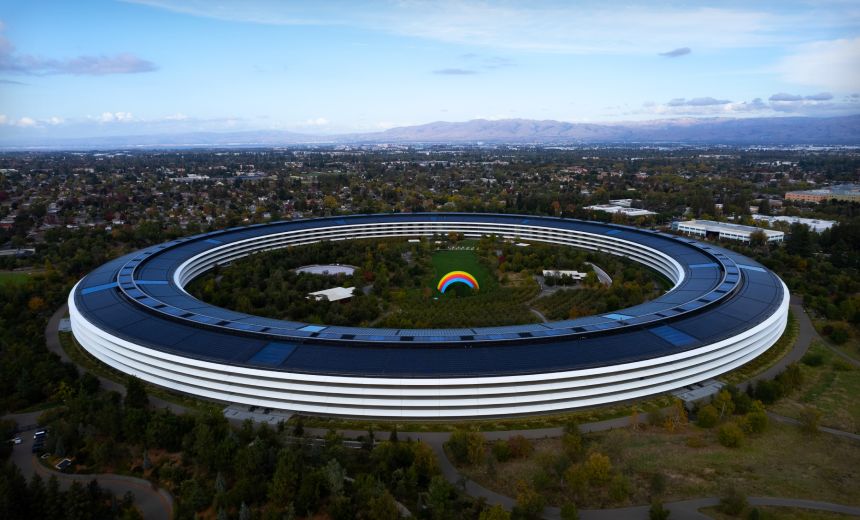
Apple Initiates Legal Action Against OpenAI Over Alleged Theft of Trade Secrets
In a significant legal move, Apple Inc., the prominent smartphone manufacturer, has filed a lawsuit against OpenAI, the influential artificial intelligence company. This lawsuit asserts that OpenAI has built a secretive new hardware device utilizing proprietary trade secrets stolen from Apple. The allegations have been formally brought to light through a lawsuit seeking monetary compensation and the return of the alleged stolen intellectual property.
The lawsuit was submitted in a federal court located in San Jose, California, and it casts a shadow over OpenAI’s future plans for an initial public offering (IPO). Analysts suggest that this legal action might also lead to a strain in the relationship between two giants of Silicon Valley, particularly given their previous conflicts regarding the integration of OpenAI’s ChatGPT technology into Apple’s voice-activated personal assistant, Siri.
Historically, Apple has faced challenges in keeping pace with its competitors in the fast-evolving AI landscape. Although Apple had previously integrated ChatGPT into its Siri assistant to improve its capacity for answering complex inquiries, the company has recently opted to adopt Google’s AI model, Gemini, for the upcoming updated version of Siri, scheduled for release later this fall.
The relationship between Apple and OpenAI took a contentious turn last year, particularly after OpenAI’s acquisition of io Products, a startup founded by former Apple designer Jony Ive, for a staggering $6.4 billion. This venture was aimed at creating a palm-sized AI device devoid of a screen. However, reports emerged indicating that the initiative faced considerable obstacles, including issues related to privacy and inadequate computing power necessary for consumer-grade devices.
The allegations in Apple’s lawsuit are primarily directed towards Tang Yew Tan, a co-founder of io Products and a former Apple employee with nearly 25 years at the company. According to the lawsuit, Tan reportedly sent himself emails containing sensitive information about Apple’s hardware suppliers in the period leading up to his departure from the company. Now serving as OpenAI’s Chief Hardware Officer, Tan is accused of directing potential job candidates from Apple to bring physical components to interviews, further exacerbating Apple’s concerns regarding potential trade secret misappropriations.
The lawsuit outlines specific instances of impropriety, including claims that Tan pressed one job candidate about an "unreleased new Apple product," which raises questions about the ethical boundaries between the two companies. Tan previously held significant positions at Apple, including as Vice President of Product Design for the iPhone and Apple Watch.
In a bold statement within the complaint, Apple’s legal team accused OpenAI of willfully stealing Apple’s trade secrets, asserting that OpenAI’s hardware business is built upon "shaky foundations" established through unlawful actions. In a public comment made last November, OpenAI’s CEO, Sam Altman, indicated that prototypes for the disputed hardware device had been created, suggesting that the device may possess the capability to "know everything you’ve ever thought about, read, said."
The lawsuit also implicates Chang Liu, another former Apple employee now at OpenAI, alleging that he continued to access Apple’s internal network using a company-issued laptop well after his employment had ended. Liu reportedly exploited a security flaw to infiltrate Apple’s shared network, where he downloaded confidential files containing detailed information about unreleased Apple products, engineering presentations, and proprietary project data.
In an effort to address the concerns raised by Apple, communications sent in February indicated that Apple had reached out to OpenAI regarding potential theft of trade secrets, but the tech company did not respond. Apple alleges that the reported incidents of misconduct are only "the tip of the iceberg," suggesting more widespread issues. The lawsuit proposes that other former Apple employees, after transitioning to OpenAI, have sent confidential information to their personal accounts, potentially exacerbating the situation.
The implications of this lawsuit are far-reaching, particularly as OpenAI is in the midst of preparing for an IPO, the timing of which remains unspecified. Apple’s allegations may pose risks to OpenAI’s potential investors, raising doubts regarding the company’s leadership stability and the significant financial repercussions it could face if the allegations hold true.
Amid these challenges, OpenAI is also undergoing changes in leadership, with the company’s Chief Product and Business Officer recently stepping down due to a chronic illness. Meanwhile, Co-founder Greg Brockman continues to serve in the leadership role he assumed only a short time ago.
In response to the allegations, OpenAI spokesperson David Pusateri stated, "We have no interest in other companies’ trade secrets. We remain focused on building innovative technology that empowers people everywhere," aiming to reassure the public and stakeholders about the company’s integrity amidst ongoing scrutiny.
As this narrative unfolds, the future of both Apple and OpenAI could be shaped significantly by the outcomes of this high-profile litigation.