
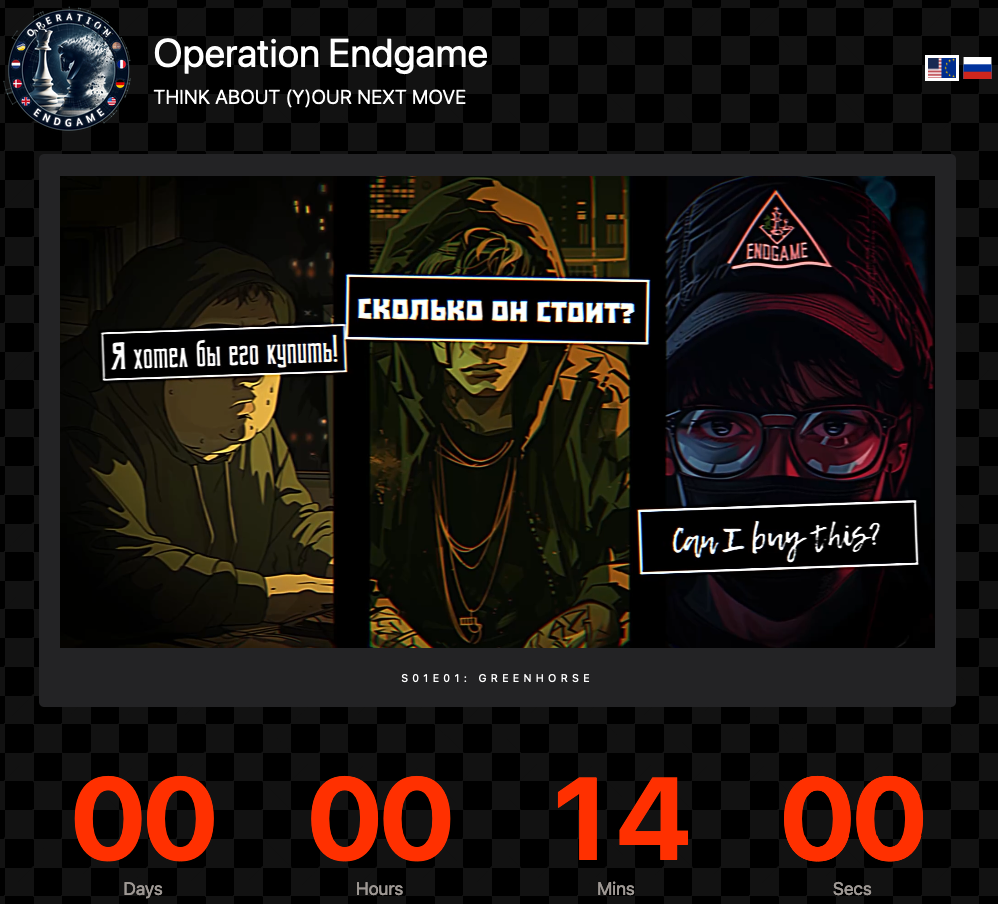


Law enforcement agencies in the United States and Europe have come together to launch Operation Endgame, a collaborative effort aimed at targeting some of the most notorious cybercrime platforms known for distributing ransomware and data-stealing malware. Described as “the largest ever operation against botnets,” this international initiative marks the beginning of a sustained campaign against advanced malware droppers like IcedID, Smokeloader, and Trickbot.
The primary focus of Operation Endgame is on dismantling the cybercrime ecosystem that supports droppers/loaders, which are small, custom-built programs designed to covertly install malware on targeted systems. These droppers play a crucial role in the initial stages of a cyber breach by bypassing security measures and enabling cybercriminals to deploy additional harmful programs such as viruses, ransomware, and spyware.
Traditionally, droppers like IcedID are distributed through methods like email attachments, compromised websites, or bundled with legitimate software. For example, cybercriminals have been known to use paid ads on platforms like Google to deceive users into unwittingly installing malware disguised as popular free software applications. In such cases, the dropper serves as a hidden component within the legitimate software, surreptitiously loading malware onto the victim’s device.
Recognizing the significance of droppers in the operations of cybercriminal enterprises, authorities are targeting individuals responsible for developing and maintaining dropper services and their supporting infrastructure. By disrupting these key components, law enforcement agencies aim to disrupt multiple cybercrime operations simultaneously.
In a recent statement, the European police agency Europol revealed that as part of Operation Endgame, four suspects were arrested (one in Armenia and three in Ukraine), and over 100 Internet servers in several countries were disrupted or taken down. Additionally, more than 2,000 domain names supporting dropper infrastructure were seized during the operation.
Europol also publicized details about eight fugitives suspected of involvement in dropper services, adding their names and photos to Europol’s “Most Wanted” list. The agency highlighted one suspect who reportedly earned millions of euros through cryptocurrency by renting out criminal infrastructure for deploying ransomware, further emphasizing the financial motivations driving these cybercriminal activities.
Despite previous coordinated efforts to combat malware, maintaining sustained collaboration between law enforcement agencies and cybersecurity firms has proven challenging. However, the creators of Operation Endgame are optimistic that this initiative will yield lasting results. A dedicated website, operation-endgame.com, has been launched to provide updates on future actions, indicating that further takedowns and arrests are on the horizon.
The approach to tackling cybercrime appears to be evolving, with a greater emphasis on psychological tactics to deter hackers. Western law enforcement agencies are increasingly employing strategies to undermine trust among cybercriminals, sow discord within criminal networks, and convey a message that perpetrators are being closely monitored.
The use of countdown timers and animated videos on the Operation Endgame website adds a theatrical element to law enforcement actions, mirroring the flashy promotional tactics employed by cybercriminals. This strategy serves to amplify the impact of these operations and demonstrate to cybercriminals that they are being closely scrutinized.
In a related development, the recent arrest of YunHe Wang, the alleged operator of the online anonymity service 911 S5, highlights ongoing efforts to dismantle major cybercrime networks. The U.S. Department of Justice seized 911 S5’s domains and infrastructure, which were allegedly used to facilitate extensive online fraud and cybercrime activities amounting to billions of dollars.
As Operation Endgame and other initiatives continue to target cybercriminals worldwide, the use of innovative approaches and international collaboration signals a new chapter in the fight against cybercrime. By disrupting the infrastructure that supports malicious activities, law enforcement agencies are working towards a safer and more secure digital environment for all users.