
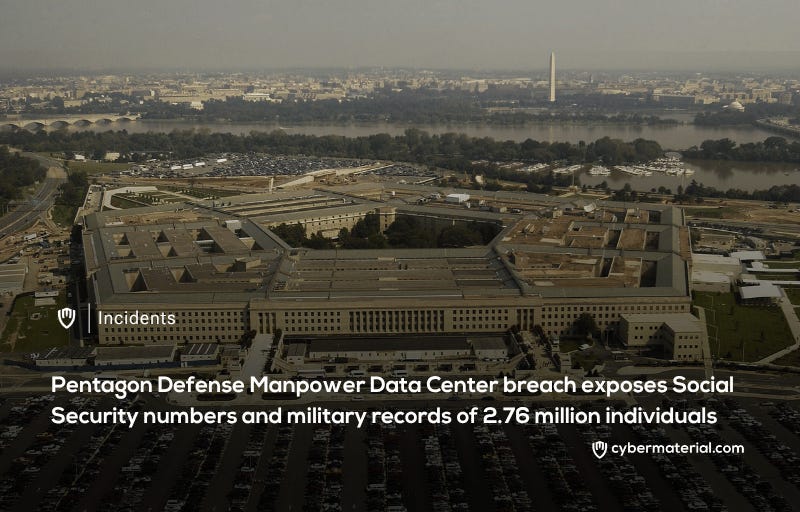
Pentagon Confirms Significant Data Breach Affecting Millions
In a troubling revelation, the Pentagon has acknowledged a substantial data breach at the Defense Manpower Data Center (DMDC), impacting the sensitive personal information of approximately 2.76 million living individuals and around 294,000 deceased. This breach has immense implications, as the exposed records include current and former military personnel, civilian defense staff, veterans, and their family members.
The DMDC plays a crucial role as it functions as the central repository for personnel records within the Department of Defense (DoD). This institution manages over 60 million records that are vital for determining various benefits and entitlements, which encompass healthcare and retirement programs. Moreover, the DMDC is responsible for issuing identification credentials to both military and civilian personnel across the defense establishment. The scale of this breach marks it as one of the largest incidences involving military-connected personnel data in recent history.
According to notifications disseminated by the Pentagon, the attackers utilized a security vulnerability in an undisclosed file-sharing system, which enabled them to access servers harboring unencrypted personally identifiable information (PII). This compromised data encompasses critical identifiers such as Social Security numbers, full names, dates of birth, sex, race, and detailed military service records. Additionally, some records were found to include contact information and occupational specialty codes.
Despite the severity of the breach, Pentagon officials have conveyed that there is "no indication" of data misuse following the intrusion. However, concerns remain about how they arrived at this conclusion, particularly given the nature of the information leaked. The lack of transparency regarding their methodology leaves many questioning the definition of "misuse" in this context.
The ramifications of this breach extend beyond immediate concerns. The exposure of individuals’ Social Security numbers and birth dates presents significant long-term risks. Such data cannot be altered without considerable effort, leaving affected individuals vulnerable to identity theft for an extended duration. Furthermore, foreign intelligence services could potentially exploit the military service details and personal information to target and track U.S. defense personnel. The intertwining of personal identifiers with military-specific data could also facilitate highly sophisticated phishing campaigns. These deceptive efforts might reference legitimate unit assignments, ranks, or job specialties, leading victims to believe they are responding to credible communications.
In response to this event, the Pentagon is offering 12 months of credit monitoring through IDX to those affected. Security experts are advising victims to take proactive steps by promptly implementing credit freezes with major credit bureaus, namely Equifax, Experian, and TransUnion. This measure is deemed essential for preventing unauthorized account openings that could arise from the leaked information. In addition to credit monitoring, experts recommend that individuals obtain an IRS Identity Protection PIN, which can serve to thwart fraudulent tax filings. Implementing multi-factor authentication on critical online accounts is also strongly advised, alongside an increased vigilance towards unsolicited communications.
Military personnel, in particular, have been urged to take extra caution by reviewing location-sharing settings on their devices and applications. This recommendation is grounded in previous warnings issued by defense leaders concerning the potential misuse of commercial location data against service members.
As investigations into the breach continue and measures to mitigate its effects are rolled out, the significance of securing sensitive information within military frameworks cannot be overstated. This incident serves as a stark reminder of the vulnerabilities inherent in managing vast quantities of personal data and the ongoing challenges faced by organizations in safeguarding it from malicious actors.
For those whose personal information has been compromised, the path toward security may be daunting, but informed action and preventive strategies can help mitigate risk moving forward.