


Government,
Industry Specific,
Professional Certifications & Continuous Training
Panel Calls for Modernization of Recruiting Processes for About 225,000 Cyber Jobs
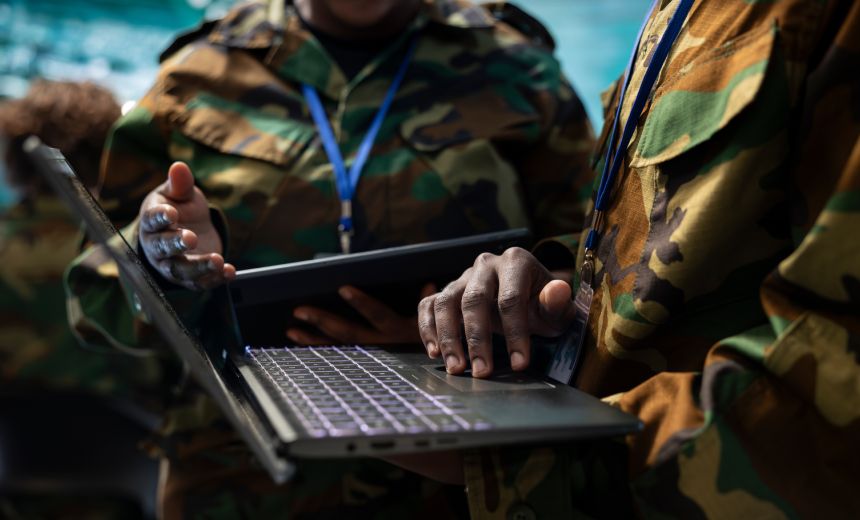
During a recent panel discussion, representatives from various military services within the Pentagon urged the immediate modernization of recruitment processes for approximately 225,000 cyber-related positions. The call for an enterprise-wide talent management system was made by the Chiefs of Information Officers (CIOs) of the armed services, who emphasized the necessity for a unified approach across the Department of Defense (DoD). This sentiment reflected a notable shift in the military’s traditionally insular attitude towards recruitment, training, and management, earning enthusiastic applause from an audience comprised of military cyber operators and defense technology contractors attending the Armed Forces Communications and Electronics Association Cyber Workforce Summit.
Jeff Hurley, acting director for information, command, control, communications, and computers for the U.S. Marine Corps, posed a pointed question during the discussion: “Why do we not have an enterprise solution to manage this from stem to stern?” His call for collective action underscored a growing frustration with the fragmented, manual systems currently in place across different military branches. He alluded to the inefficiencies associated with the Air Force’s efforts and the Army’s initiatives, stating, “I’ve got Marines out there spending cycles trying to figure out how we’re going to track and manage all this.”
Army CIO Leonel Garciga echoed these frustrations, urging the services to adopt a more mature and efficient approach. “Stop playing with building all these different systems,” he warned, emphasizing that the financial and time expenditures associated with these efforts were unsustainable. His call resonated with the audience, reflecting a shared desire among the military’s technology leaders for a more streamlined and integrated process.
Garciga recommended leveraging the recently developed enterprise-wide identity system to also cover cyber qualifications, questioning the rationale behind creating separate systems for similar functions. His rationale pointed towards a collective goal: adopting an enterprise-wide solution that would streamline processes and improve the management of cyber workforce capabilities.
The call for reform was reinforced when Mark Gorak, principal director for resources and analysis at the office of the DoD CIO, acknowledged the military branches’ requests for an overarching cyber talent management system. Gorak served as the panel moderator and outlined the vital nature of integrating a standardized system across all military departments and combatant commands to ensure consistency and equality in managing cyber talent.
Despite the strong advocacy for this significant overhaul, some audience members expressed skepticism about the implementation of such changes. One defense official, who preferred to remain anonymous, cautioned that although the atmosphere was cordial, the complexities of negotiations often lead to unexpected challenges, revealing the true priorities of various institutions involved.
The service CIOs’ unified message prompted discussions about the ongoing information collection efforts aimed at categorizing the cybersecurity and IT workforce, a daunting task that involves laying out detailed descriptions for the 225,000 cyber positions within the DoD. This work is essential not only for recruitment but also for aligning existing roles with the DoD Cyber Workforce Management Directive 8140, which outlines knowledge, skills, and abilities (KSAs) associated with each position.
While the efforts to standardize job roles may be laborious, officials like Barry Tanner, acting CIO for the Department of the Navy, noted the immense value gained from these initiatives. Tanner expressed that the rigorous coding process has provided a clearer insight into cyber force capabilities, enabling better strategic planning for training and resource allocation. “I can make decisions now based on that data,” he stated, emphasizing the transition towards a more data-driven approach to workforce management.
Keith Hardiman, acting CIO for the Department of the Air Force, added another layer to this discourse, highlighting the need for skills-based hiring practices that focus not only on paper qualifications but also on practical, hands-on skills. He pointedly dismissed the notion of relying solely on credentials, stating, “There are a lot of educated fools out there,” and noted the urgent need for effective metrics to assess candidates’ actual cyber capabilities.
Furthermore, Hardiman acknowledged the importance of soft skills, particularly for leadership roles, indicating a balanced approach to evaluation. “We want to understand what people can actually do from an operational standpoint,” he remarked, stressing the necessity of assessing character and teamwork, alongside technical skills.
In conclusion, the call for a Department of Defense-wide cyber talent management system marks a pivotal moment in the military’s approach to workforce sustainability and effectiveness in the face of rapid technological advancements. As military leaders rally for an integrated solution to the ongoing challenges in recruiting and retaining cyber specialists, there remains a critical need for both a strategic vision and the willingness to execute the necessary reforms to achieve the desired outcomes.