
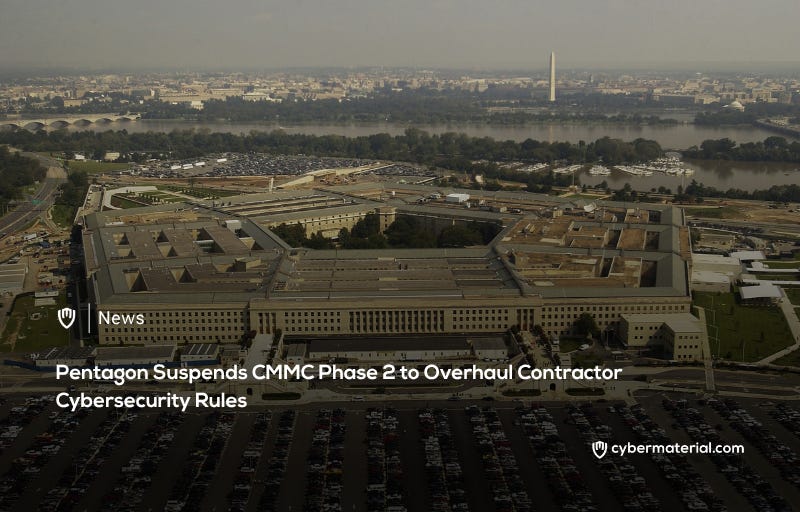
The Department of Defense has implemented a significant pause on the Cybersecurity Maturity Model Certification (CMMC) phase two requirements, launching a comprehensive 60-day program review. This halt comes ahead of an initial implementation timeframe set for November and is aimed at reassessing contractor cybersecurity regulations while ensuring national security remains uncompromised. Authorities have made it clear that despite this suspension, defense contractors will still need to comply with phase one regulations, alongside existing guidelines regarding government information.
In light of this decision, a newly formed CMMC review and reform task force will be established to gather insights and feedback from industry stakeholders. The objective is to streamline security measures, especially for small and non-traditional businesses, in an attempt to facilitate their navigation through the complex procurement pipeline. Kirsten Davies, the Chief Information Officer for the Department of Defense, articulated that this strategic pause aims to reduce bureaucratic obstacles while also bolstering efforts to boost readiness for warfighters. Despite the temporary suspension of phase two, Davies reinforced that maintaining strong cybersecurity practices remains a critical and non-negotiable priority across the defense industrial base.
Supporting this approach, Michael Duffey, the Undersecretary of Defense for Acquisition and Sustainment, emphasized the necessity of this suspension to safeguard smaller manufacturers from being priced out of defense contracts. High compliance costs associated with the CMMC framework had raised concerns, particularly for those manufacturers lacking the resources to meet stringent regulations. The CMMC framework is designed to act as a verification mechanism, ensuring that any firm managing Federal Contract Information (FCI) or Controlled Unclassified Information (CUI) meets minimum security standards before being awarded military contracts.
Under the revamped CMMC 2.0 framework, cybersecurity requirements are categorized into three distinct tiers. Level 1 applies basic protections for FCI, while Level 2 is designed in alignment with NIST 800-171 standards, specifically targeting CUI. Level 3 focuses on defense against advanced persistent threats. The initial rollout began in late 2025, emphasizing self-assessments; however, the transition to phase two, which demands third-party certifications for Level 2 compliance, has now been halted. Officials acknowledged the existence of a significant shortage of authorized third-party assessors, making adherence to the previously anticipated November 2026 deadline unfeasible.
Looking ahead, adjustments to the overall timeline for future milestones appear likely, contingent upon the outcomes of this current 60-day evaluation. According to the original timeline, phase three was expected to introduce certification protocols for Level 3 by late 2027, ultimately leading to comprehensive implementation across all pertinent defense contracts by 2028. This ongoing review will play a crucial role in guiding the Pentagon as it navigates the fine balance between stringent cybersecurity enforcement and sustaining an accessible, adaptable supply chain.
The implications of this pause extend far beyond regulatory compliance; they touch on broader issues of national security, industry competitiveness, and the capabilities of the U.S. defense infrastructure. As the Pentagon reconsiders its approach to contractor cybersecurity, stakeholders from various sectors will likely be engaged in discussions that could significantly influence the future landscape of defense contracts in the United States. This moment not only reflects a necessary recalibration of security expectations in a rapidly evolving technological landscape but also underscores the necessity for streamlined processes that can adapt to the complexities faced by defense contractors, especially smaller entities.
As the review period unfolds, industry participants await guidance on how upcoming decisions will reshape the CMMC framework and, by extension, the broader defense contracting environment. The military’s commitment to enhancing cybersecurity remains paramount, but how this will interact with the practicalities of compliance and contractor engagement is now under closer scrutiny than ever before. Overall, the Department of Defense’s actions signal a proactive approach to ensure that cybersecurity defenses grow in tandem with industry needs, aiming to bolster the nation’s military readiness without stifling innovation and participation in the defense sector.
Sources indicate that this re-evaluation could lead to a more pragmatic and effective CMMC framework, one that meets security objectives while remaining feasible for a diverse array of defense contractors. The journey ahead may involve complex negotiations, but the ultimate goal remains clear: to fortify the nation’s cybersecurity posture in a way that comprehensively addresses potential vulnerabilities.