


The realm of cyber influence continues to evolve dramatically, fueled by factors such as Agentic AI and Cyberwarfare / Nation-State Attacks. The complexity of these issues has been underscored recently in discussions surrounding the Events shaping the cybersecurity landscape.
Also: Anthropic Claude Code Security Impact on AppSec, RSAC Conference Preview
In a recent panel discussion, four editors from ISMG convened to shed light on the various ramifications of the intensifying conflict between Iran, Israel, and the United States. This discussion notably explored the potential for significant cyber spillover from these geopolitical tensions. Additionally, the editors discussed the groundbreaking market disruption brought about by the introduction of Anthropic’s Claude Code Security, and offered a sneak peek into the forthcoming RSAC Conference 2026, one of the industry’s marquee events.
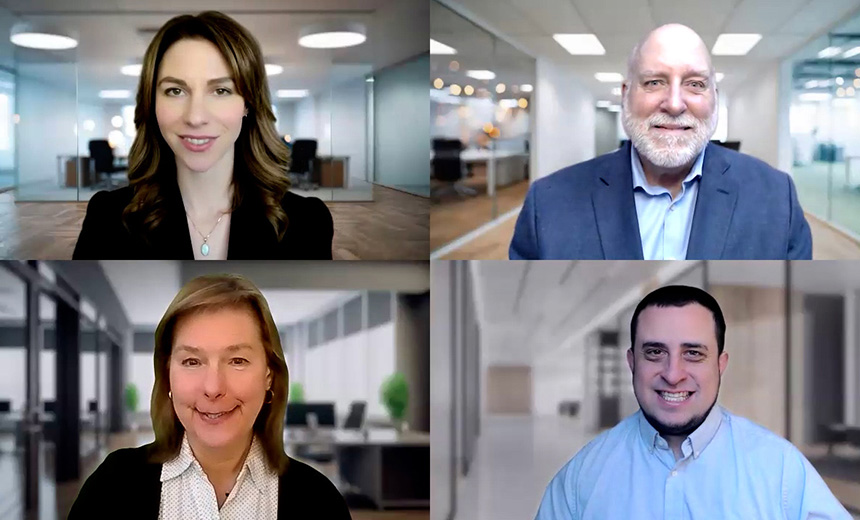
The editors—Anna Delaney, executive director of productions; Tom Field, senior vice president for editorial; Michael Novinson, executive editor of ISMG Business; and Marianne Kolbasuk McGee, executive editor of HealthcareInfoSecurity—delved into various pressing issues. A key topic of concern was the potential cyber spillover linked to the Iran-Israel-U.S. conflict, which has raised alarms, especially regarding healthcare organizations. Amongst these concerns are the growing risks of Distributed Denial-of-Service (DDoS) attacks, ransomware, wiper malware, and targeted hacktivist campaigns aimed at vulnerable hospital systems.
The conversation highlighted the fact that as tensions rise, so too do the risks facing critical sectors, particularly healthcare. The editors discussed how hospitals, often not fully prepared for such threats, could fall victim to cyber-attacks that undermine patient safety and disrupt essential services. The healthcare sector has historically been a prime target for cybercriminals, and the current geopolitical climate raises the stakes significantly.
In addition to the security challenges posed by international conflicts, the panel also examined the disruption in the cybersecurity market triggered by the launch of Anthropic’s Claude Code Security. There is a palpable buzz in the air regarding whether AI-driven code-scanning tools could fundamentally reshape the application security landscape. The editors speculated on how these advancements, bolstered by aggressive pricing and new capabilities rooted in AI, could create a shift in how application security is approached over the coming years.
Furthermore, the discussion progressed to focus on the upcoming RSAC Conference 2026. The editors provided insights into what attendees can expect, including key sessions that will address emerging themes such as agentic AI and the role of non-human identities in cybersecurity. The absence of U.S. federal government representation at this year’s conference also raised questions about how geopolitical tensions might influence the discourse at this significant gathering.
The ISMG Editors’ Panel serves as a crucial platform for discussing current events and their implications on cybersecurity. This week’s installment aligns with the ongoing series that aims to provide industry professionals with insights that can help shape their understanding of the fast-evolving landscape. Previous discussions have included pertinent topics such as ransomware gang conflicts and the emerging reckoning surrounding artificial intelligence in cybersecurity.
As the world continues to navigate the complexities of cybersecurity amidst geopolitical tensions and technological advancements, such panel discussions will remain vital. They help illuminate the challenges and considerations that industry leaders must address to ensure resilience and preparedness in this unpredictable digital landscape.