
The Super Bowl, one of the biggest sporting events in the world, is not only a celebration of athleticism and competition, but it also serves as a prime hunting ground for malicious cyber threat actors. With its massive worldwide audience and potential for financial gain, the event draws the attention of cybercriminals seeking to exploit vulnerabilities and gain access to valuable data.
A major concern for businesses and organizations involved in the Super Bowl is the looming threat of cyber attacks. These attacks can range from ransomware and DDoS attacks to the theft of sensitive data, and they can have devastating consequences for event organizers, vendors, and attendees.
Threat actors are drawn to major events like the Super Bowl due to the high concentration of high-profile individuals, including celebrities, media personalities, political dignitaries, and famous athletes. In addition to the potential financial gain from ransom demands, cybercriminals are also motivated by the urgency and chaos that such events can create. A successful cyber attack during the Super Bowl could cause significant disruption and financial loss, making threat actors even more determined to carry out their malicious activities.
The adversary’s offense comes from various angles, including cybercriminals looking to exploit financial opportunities, hacktivists aiming to spread their message to a wide audience, deliberate disruptors seeking to disrupt the event experience, and nation-state or state-affiliated threat actors driven by geopolitical positioning and competitive advantage. These adversaries utilize a range of tactics, techniques, and procedures to carry out their attacks, from social engineering campaigns to exfiltration of sensitive data.
Despite the focus on external threats, businesses must also remain vigilant against internal vulnerabilities. Employees, temporary staff, and vendors with access to organizational resources can unwittingly cause significant damage through mistakes and abuse of their access privileges. Social engineering attacks can also target employees, making them unwitting accomplices to cyber attacks. By educating employees and implementing incident response plans, businesses can reduce the risk of social engineering attacks and other internal vulnerabilities.
The threat of cyber attacks extends beyond individual businesses to their network of vendor partners. It is essential for event organizers to evaluate their third-party exposure and establish measures to mitigate potential risks posed by vulnerable vendors.
Ultimately, strong cybersecurity measures are essential for safeguarding against cyber attacks, but they require more than just technological solutions. They also depend on the discipline, behavior, and culture within an organization. By implementing and adhering to strict cybersecurity protocols and practices, businesses can make it more difficult for threat actors to exploit vulnerabilities and carry out malicious activities.
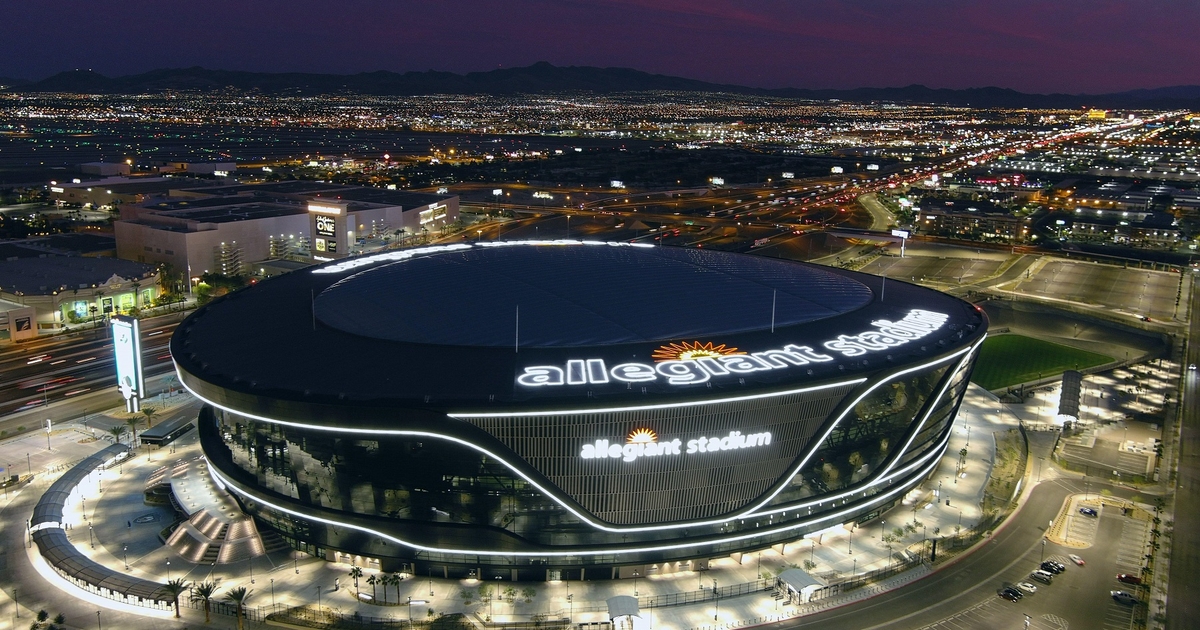
Leading up to Super Bowl LVIII, businesses, event organizers, and attendees must remain vigilant and proactive in safeguarding against potential cyber threats. By understanding the adversary’s offense and strengthening cybersecurity defenses, they can mitigate the risk of cyber attacks and ensure a safe and secure Super Bowl experience for all.