


The growing threat of cyberattacks on healthcare facilities has become an urgent concern, as outlined in a recent resource released by the Department of Health and Human Services (HHS) in 2026. These breaches not only disrupt the integrity of patient care but also compromise operational continuity within healthcare organizations. The challenge for these institutions lies in discerning which identity signals necessitate immediate action, particularly when access to critical care delivery systems is at stake.
In an environment characterized by a multitude of risks, it becomes vital for healthcare professionals and cybersecurity experts alike to develop an effective strategy to prioritize these risks. Without the appropriate context, there is a danger that critical risks may be overshadowed by routine activities, diverting crucial analyst attention away from potential threats.
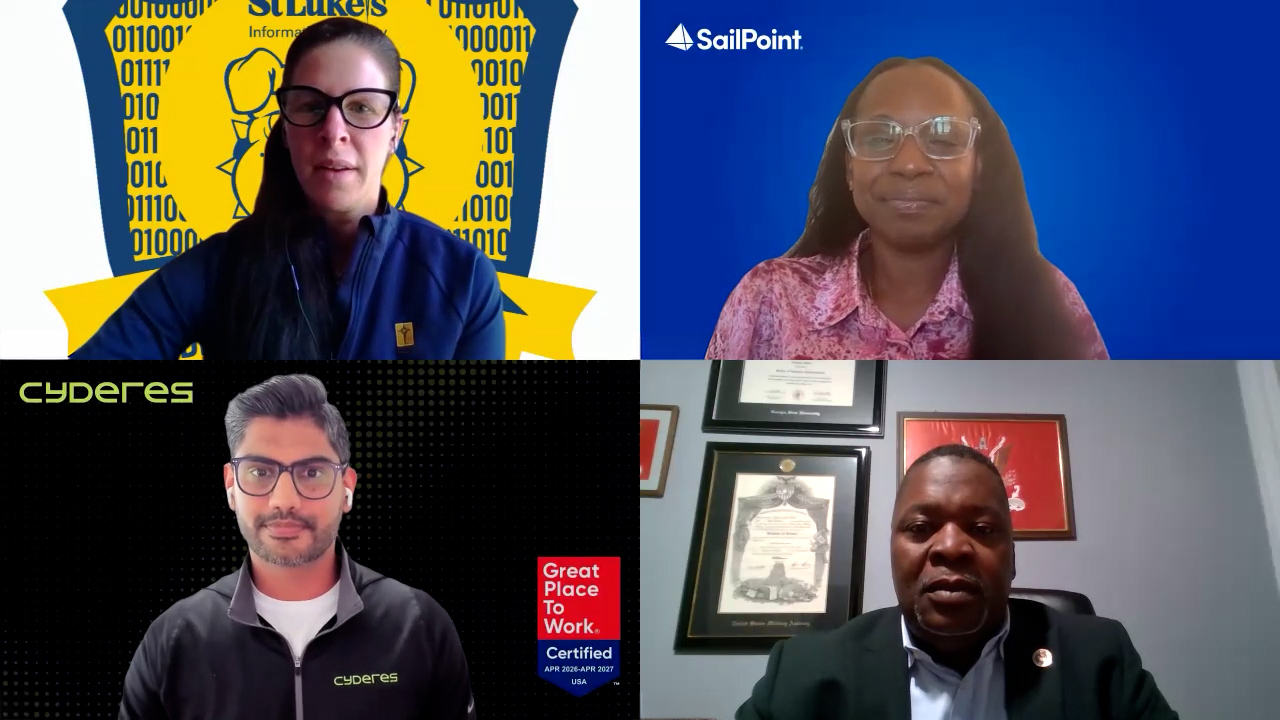
One significant opportunity for improvement discussed during a recent session focuses on how to leverage identity context in order to enhance risk prioritization. By harnessing the nuances of identity signals, organizations can adopt a more focused approach to identifying which threats pose the greatest risk to patient-critical systems. This session provided insights into how a well-defined identity context can sharpen prioritization processes, enabling healthcare organizations to react quickly and efficiently without disrupting clinical workflows.
Several key takeaways emerged from this session that are essential for understanding the complexities of identity risk management in healthcare settings:
1. **Prioritizing Identity Risk**: It is crucial for organizations to learn how to prioritize identity risks based on their potential impact on patient-critical systems. Such an approach not only safeguards sensitive patient data but also ensures that healthcare providers can continue their vital work without interruptions due to security breaches.
2. **Recognizing Missing Identity Context**: Identifying gaps in identity context is essential for uncovering high-risk activity during investigations. Often, the lack of contextual information can obscure significant threats, making it difficult for analysts to distinguish between routine actions and genuine security threats.
3. **Accelerating Response Decisions**: Utilizing identity context serves as an effective means to hasten response decisions during security incidents. This acceleration can be particularly beneficial in clinical settings where time-sensitive interventions can mean the difference between life and death. By streamlining decision-making processes, healthcare organizations can manage security incidents more effectively without paralyzing their clinical operations.
4. **Feeding Findings Back into Identity and Access Management (IAM)**: An essential component of improving security measures lies in the continual improvement loop created by feeding investigation findings back into IAM systems. This feedback mechanism helps organizations refine their security strategies, thereby reducing the likelihood of repeat attack paths that exploit previously identified vulnerabilities.
The implications of these strategies extend far beyond mere compliance; they touch directly on the quality of patient care and the operational resilience of healthcare providers. As threats continue to evolve, adopting a proactive and informed approach to identity risk management will become increasingly critical.
In conclusion, the pressing issue of cyberattacks in healthcare, as articulated in the HHS’s recent resource, underscores an urgent need for institutions to refine their identity security frameworks. By focusing on identity context, healthcare organizations can better navigate the complexities of cyber threats, ensuring that they maintain both the integrity of patient care and the security of their operational environments. With a strong emphasis on prioritizing risks, recognizing missing contexts, speeding up response times, and integrating findings into IAM systems, the healthcare sector can begin to mitigate the risks posed by cyberattacks significantly. Such steps will not only protect critical systems but also fortify the trust that patients place in their healthcare providers.