


As the world’s leading music streaming service, Spotify has amassed almost 700 million active users, with 265 million of them being premium subscribers. However, with such a massive user base, Spotify has also become a target for cybercriminals looking to exploit its users for illegal gains.
Hackers are able to monetize stolen Spotify accounts through various channels, including the dark web and shadowy corners of messaging platforms like Telegram. These compromised accounts not only provide access to personal data, payment details, listening habits, and social media connections, but they are also used to artificially inflate stream counts through a practice known as “streaming fraud.” This fraudulent activity siphons billions of dollars from the global music industry each year.
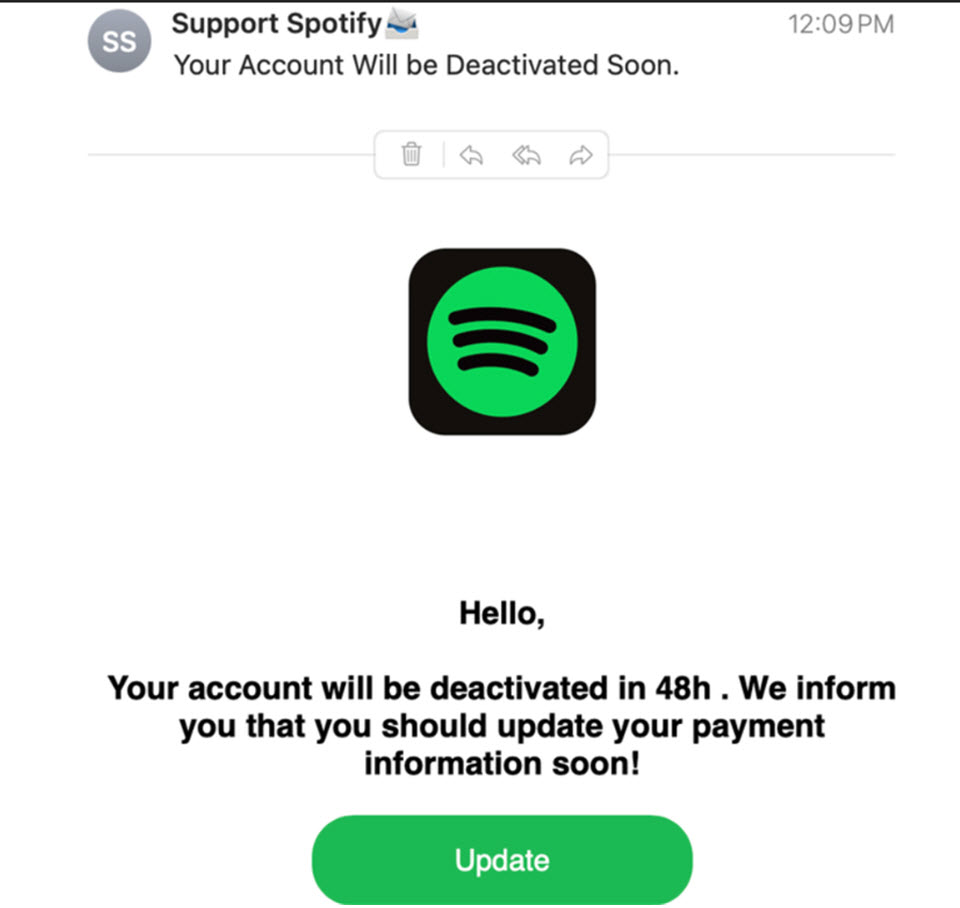
Understanding how hackers target Spotify accounts is crucial for users to protect themselves. Phishing emails are a common tactic used by cybercriminals, where users are tricked into revealing their login credentials through fake emails that appear legitimate. These phishing emails often create a sense of urgency, prompting users to click on malicious links that lead to imposter websites designed to steal sensitive information.
To stay safe from phishing attacks, users are advised to be skeptical of requests for personal information, verify the sender’s email address, check for spelling and grammar errors, and avoid clicking on suspicious links. Additionally, users should protect their accounts with strong, unique passwords stored in a password manager and enable two-factor authentication for an extra layer of security.
Another method used by hackers is through fake apps that promise enhanced features and free premium access to Spotify. These unofficial apps can range from harmless enhancements to malicious software designed to harvest login credentials. To avoid falling victim to these scams, users should only download the official Spotify app from trusted sources like the Apple App Store, Google Play Store, or Spotify’s official website.
Malware is another threat to Spotify accounts, as cybercriminals deploy sophisticated software to target user credentials. To protect against malware, users should keep their software updated, use reputable security solutions with real-time protection capabilities, and exercise caution when granting permissions to applications.
Data leaks are also a risk to Spotify accounts, as credentials exposed in major data breaches can be used in credential-stuffing attacks on users’ accounts. To mitigate the risk of account takeovers, users should implement a password management strategy that eliminates password reuse and monitor breach notification services for any signs of compromised credentials.
In conclusion, staying safe online requires vigilance and proactive security measures. By being aware of hacker tactics and implementing protection strategies, users can safeguard their Spotify accounts from unauthorized access and potential theft. It’s essential to stay informed about the latest cybersecurity threats and adapt security practices accordingly to stay one step ahead of cybercriminals.