
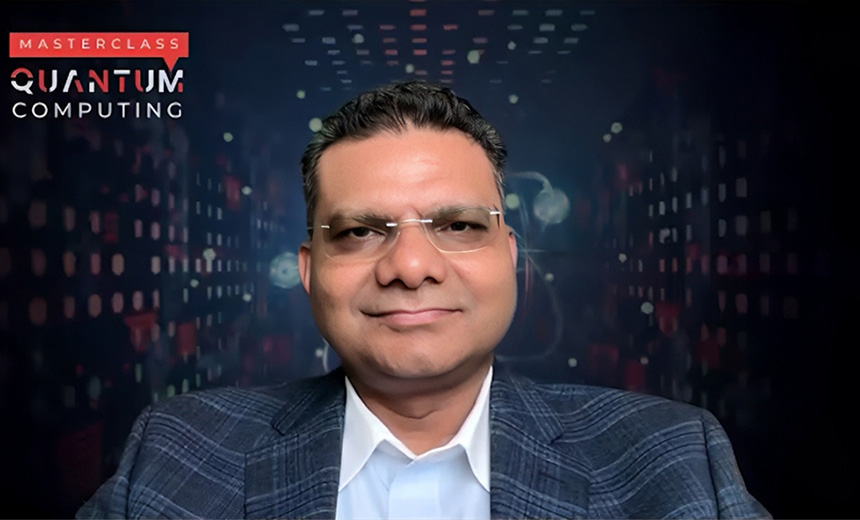
IBM’s Jai Singh Arun Discusses the Need for Cryptography Risk Mapping Ahead of Quantum Threats
In the fast-evolving landscape of cybersecurity, the importance of cryptography remains paramount, yet it has often been overlooked within enterprises. Cryptography is frequently embedded in various technologies—applications, cloud platforms, network devices, and hardware—without a clear oversight from any single team. This lack of visibility poses significant challenges for Chief Information Security Officers (CISOs). Jai Singh Arun, the global product management leader for IBM Quantum Safe, is vocal about the escalating need for organizations to have a complete understanding of their cryptographic frameworks.
Arun emphasizes that while the risks associated with cryptography have often been relegated to the background, the emergence of quantum computing introduces a pressing urgency. With quantum computers poised to potentially compromise traditional cryptographic algorithms in the next decade, enterprises are urged to obtain full visibility into their cryptographic resources. Only once this understanding is achieved can organizations prioritize the transition to quantum-safe standards. The idea is not merely about compliance but a proactive approach to safeguarding digital assets in an era of unprecedented technological vulnerability.
During a recent interview with ISMG, Arun elaborated on several critical areas concerning cryptography and its impending transformation in the wake of quantum technology. One of the stark contrasts he highlighted is the difference in risk between data at rest and data in transit. Data at rest refers to inactive data stored physically in any digital form, while data in transit is actively moving from one location to another, such as across the internet. The two types face different vulnerabilities and require varied security measures. Understanding these nuances is essential for organizations aiming to develop a robust cryptographic strategy.
Another point Arun touched upon is the necessity for standardized post-quantum algorithms. These algorithms would include secure methods for key exchange and digital signatures, ensuring that enterprises can communicate and conduct transactions securely in a quantum world. Standardization is particularly crucial because a fragmented approach to cybersecurity can lead to inconsistent levels of protection, leaving gaps that adversaries might exploit.
Additionally, Arun discussed the global regulatory landscape surrounding quantum-safe migrations. With deadlines being established for organizations to complete their transitions to quantum-resistant systems by 2030, there is a sense of urgency among businesses to act. These regulatory pressures highlight the need for enterprises not only to invest in new technologies but also to implement comprehensive training for their personnel on the importance of cryptography and its role in an organization’s overall cybersecurity framework.
Arun’s credentials add weight to his insights; with over 27 years of experience in cybersecurity, cloud computing, artificial intelligence, and quantum technologies, he is well-versed in the complexities of the current digital landscape. His extensive background spans leadership roles at IBM, Unisys, and Tata, where he has led global product management, engineering, and business development teams. Notably, Arun has generated more than $220 million in intellectual property income and authored significant works on quantum-safe security and blockchain.
The necessity for organizations to reevaluate their cryptographic infrastructures cannot be overstated. As quantum computing continues to advance, the implications for data security will only grow more severe. Enterprises must prioritize achieving visibility and understanding their cryptographic deployment before the vulnerabilities of conventional algorithms become a reality. Consequently, CISOs and cybersecurity leaders are increasingly tasked with not only adopting new technologies but also developing a forward-thinking approach to safeguarding their information assets.
In conclusion, the conversation surrounding cryptography and its future amidst quantum computing advances is not merely academic; it embodies a crucial responsibility for technology leaders. As Jai Singh Arun articulates, organizations must recognize the value of mapping their cryptographic risks before they become exposed to existential threats posed by quantum technology. Only through such proactive measures can enterprises hope to secure their digital landscapes against the inevitable rise of quantum computing capabilities.