
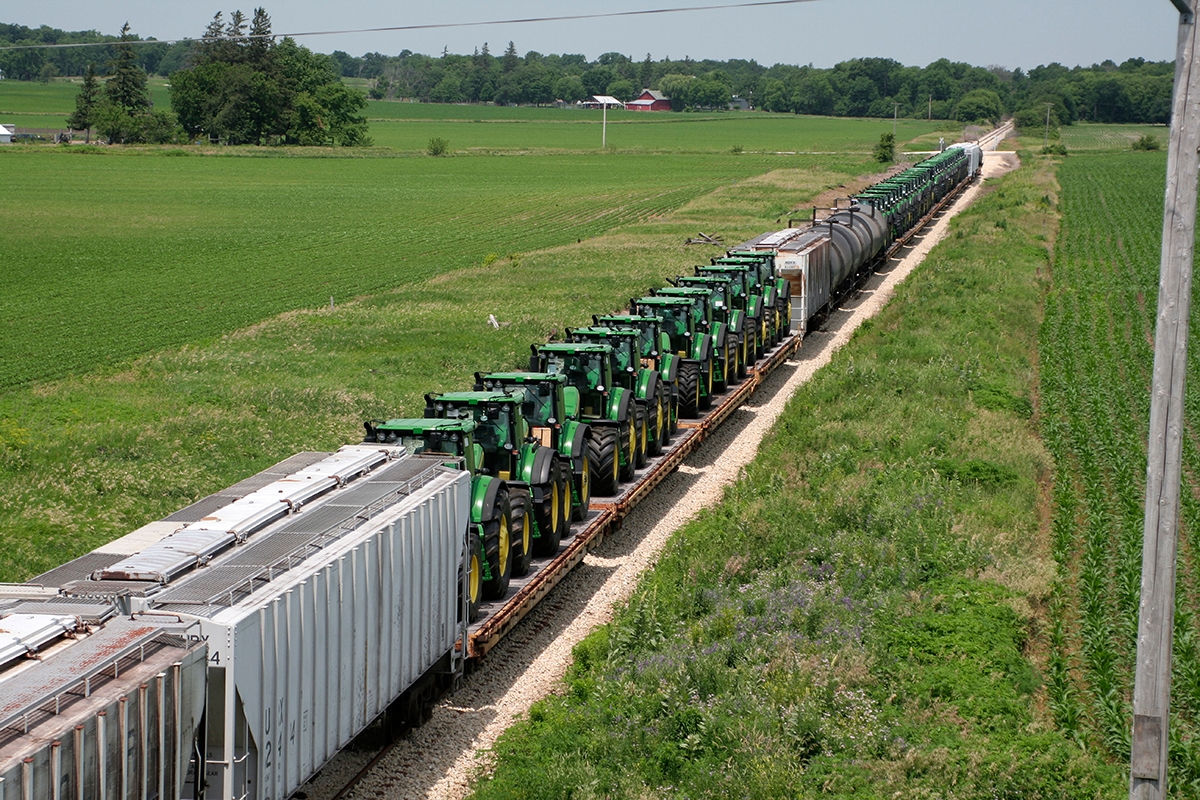


Rail transportation is a vital component of the United States’ economy, with billions of tons of freight and millions of passengers relying on the rail network each year. However, the increasing reliance on digital systems and connectivity in rail infrastructure has raised concerns about cybersecurity vulnerabilities. The potential for cyber threat actors to disrupt critical operations and the unique challenges faced by the rail industry make it imperative to prioritize rail cybersecurity.
Rail cybersecurity presents unique challenges compared to traditional enterprise cybersecurity. The size and complexity of rail networks, the numerous critical networks involved, and the inability to easily patch most systems all contribute to the difficulty of ensuring cybersecurity in rail infrastructure. Additionally, the age of most rail systems, which were designed for safety rather than cybersecurity, further complicates the issue. Any alteration of the internal software could result in the withdrawal of safety certifications by the original equipment manufacturers (OEMs), rendering the entire rail network inoperable.
The vast threat surface of even a single railcar highlights the complexity of protecting rail infrastructure. The public Wi-Fi and entertainment network in a railcar can provide easy access into the operational network, which controls crucial systems such as HVAC, brakes, and doors. Breaching the signaling system could cause a collision with another train. Furthermore, remote access used by OEMs for maintenance purposes also poses risks. The reliance on third-party vendors, whose connectivity to rail networks can lead to shutdowns, adds another layer of vulnerability.
Recognizing the need for enhanced rail cybersecurity, the Transportation Security Administration (TSA) released security directives for rail in December 2021. The directives aimed to reduce the risk of cybersecurity threats to critical railroad operations and facilities through layered cybersecurity measures. However, the initial directives were deemed too burdensome, leading to their update in October 2022 to make compliance easier for railways.
The complexity and age of rail systems make them particularly challenging to secure compared to other industries. The gradual growth of digital connectivity and equipment has expanded the attack surface, necessitating digital transformation. Railway operators must have full visibility of their systems, including interdependencies and external connections, to enhance incident response and prevent compromise during operation. Prioritizing criticality, consequence, and operational necessity is crucial to managing breaches and vulnerabilities effectively.
Complying with TSA directives requires extensive network segmentation, subsegmentation, and asset zoning across all aspects of the railway. This process entails discovering external connectivity and operational interdependencies, eliminating blind spots, and ensuring the safety and security of each asset without compromising standard operations or OEM certifications. Investing time, resources, and specialized knowledge of railway infrastructure is essential to meet these requirements.
Railway operators must also implement measures to prevent and mitigate cyberattacks. This includes managing internal and external threats, blocking unauthorized code, implementing access management policies, automating security updates, and retaining and analyzing data for threat investigation over time. The complexity of the rail industry places a significant responsibility on Chief Information Security Officers (CISOs) to effectively manage and protect critical systems.
As rail transportation continues to evolve and digital systems become increasingly integrated, the need for robust cyber defenses becomes more pressing. Railways must prioritize cybersecurity measures to protect critical operations, passenger safety, and the nation’s economy. It is essential for railway operators and CISOs to invest in cybersecurity tools and strategies to ensure compliance with TSA directives and safeguard the future of rail transportation.