
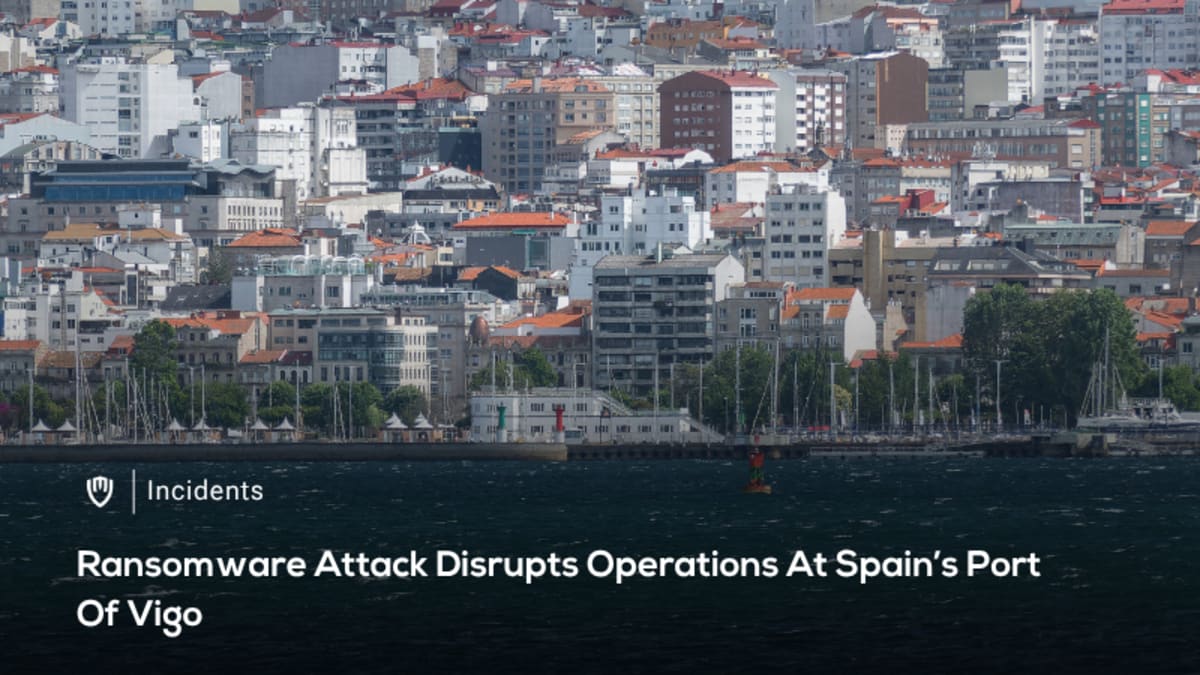
A significant ransomware attack has recently disrupted the digital infrastructure of the Port of Vigo, located in northwest Spain. This incident, detected early on a Tuesday morning, has led to the isolation of its computer servers, forcing the port to shift to manual cargo management operations. Despite the ongoing physical movement of vessels, officials have opted not to restore digital network connections until they receive complete security guarantees. This precaution has resulted in logistics coordination relying heavily on paper documentation, significantly hindering operational efficiency.
The breach specifically targeted servers that play crucial roles in managing cargo traffic and various digital administrative functions essential to port operations. Following the attack, port authorities were quick to confirm that the assailants had successfully locked several pieces of critical equipment. They have also issued a formal demand for ransom, seeking payment to restore access to the encrypted data. Such financially motivated cyberattacks have become disturbingly common in recent years, raising alarms within various sectors, particularly those integral to national and international trade.
In an immediate response to the attack, the port authority’s technology team acted swiftly to disconnect and isolate the affected systems from all external networks. Carlos Botana, the president of the Port of Vigo, has underscored that the priority remains containment rather than rapid recovery. He assured stakeholders that the network will remain offline until security experts can guarantee that the environment is entirely secure from further threats. However, he acknowledged that no specific timeline has been established for the restoration of normal digital operations.
While the attack has severely impacted the digital backend of port operations, the physical movement of vessels and handling of goods at the docks have not grinded to a halt completely. Nevertheless, the absence of digital coordination has necessitated a reversion to outdated manual procedures, requiring operators to utilize paper-based tracking methods to facilitate cargo movement. This regression not only slows down the facility’s efficiency but also poses challenges for logistics coordination in a port that serves as a vital hub for the Galicia region.
As investigations into the attack unfold, a forensic analysis is being performed to determine how the attackers compromised the system and to evaluate if any sensitive information was extracted during the breach. Botana has characterized the incident as a standard financial cyberattack, yet no specific hacking group has stepped up to claim responsibility for the intrusion. The incident lays bare the persistent vulnerabilities within maritime infrastructure, a reality exploited by sophisticated cybercrime syndicates that see such targets as lucrative opportunities.
The disruption experienced at the Port of Vigo is reflective of a broader trend of increasing cyberattacks targeting essential global shipping hubs. These facilities, fundamental to international trade, are often perceived as high-value targets by hackers, especially as the technology underpinning their operations becomes more interconnected. Recent similar attacks on major ports in Japan, Australia, and the United States only serve to underline this trend. Groups such as LockBit and other ransomware actors recognize the potential for substantial economic disruption as leverage in their criminal activities, making such attacks not only a pressing logistical concern but also a growing threat to national security.
As the maritime industry increasingly becomes more reliant on digital solutions for operations, the need for enhanced cybersecurity measures has never been more critical. The ongoing situation at the Port of Vigo should serve as a wake-up call for authorities and industry stakeholders alike, highlighting the imperative to bolster defenses against evolving cyber threats. As investigations continue and authorities work towards recovery, the maritime sector must reevaluate and fortify its cyber resilience to safeguard against future attacks that could severely jeopardize not only logistics but also the broader economic framework both locally and globally.