
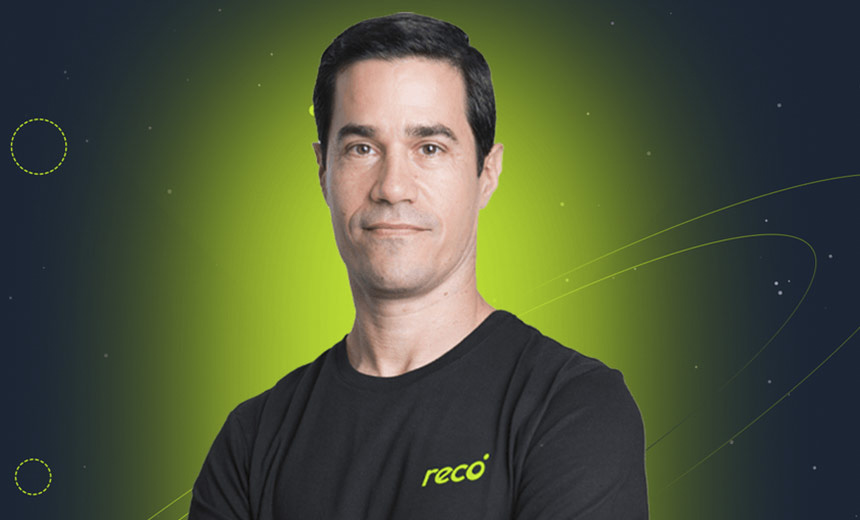
Agent Governance Emerges as Reco’s Most Common Enterprise Use Case
By Michael Novinson
September 29, 2026
In a noteworthy move within the landscape of enterprise artificial intelligence, Reco, a startup specializing in agent governance, has secured $55 million in funding. The investment, led by prominent firms including AT&T Ventures, Forestay, and Quadrille Capital, aims to strengthen the oversight and security of AI agents in corporate environments.
Ofer Klein, co-founder and CEO of Reco, indicated that this funding will propel the company’s transition from focusing purely on governance for major platforms like Salesforce and Microsoft to enhancing the security of AI agents. Since its inception in 2020, Reco has gained significant traction, already boasting multiple Fortune 500 clients utilizing its agent security products in live settings.
Klein elaborated on the motivations behind the rapid fundraising decision, stating, "The goal was to raise mid of next year originally, but we experienced substantial market demand from customers and partners. This prompted us to expedite our fundraising to support a faster and more substantial growth trajectory."
Reco’s trajectory has been impressive, having raised a total of $140 million to date, following a $30 million Series B round earlier this year, headed by Zeev Ventures. The firm, which currently employs 189 people, represents a significant player in the realm of AI governance, particularly as corporations seek comprehensive solutions for managing the security of their AI frameworks.
The Rise of AI Agents and Market Opportunities
Klein noted a pivotal shift in the adoption of AI agents, particularly among Fortune 500 enterprises. This contrasts starkly with earlier trends in cloud technology, which typically began with smaller businesses before progressing toward larger organizations. Now, major entities, including AT&T and numerous banks, are rapidly integrating AI agents into their operations, creating a substantial market for security solutions.
"The trajectory of cloud adoption was gradual, starting with small and mid-sized enterprises before extending to larger companies over 15 years," Klein explained. "In contrast, we see the largest organizations adopting AI agents at an accelerating pace. These firms are precisely the clientele we have served for several years."
To support this growing demand, Reco’s technology employs a unique graph that consolidates data from various sources, such as network traffic, application interactions, and identity providers. This innovative system generates a unified view of all AI tools and agents, enabling the identification of shadow AI and complex agent interactions that conventional tools often overlook.
Klein detailed the significance of this technology, stating, "We bring together every data source — from network traffic to endpoint devices — into a single, holistic graph. This comprehensive view is unprecedented and vital for effective agent oversight."
The platform not only identifies toxic combinations of agent access but also simplifies security management, reducing resource expenditure by up to 80% compared to traditional solutions. With a monthly analysis of billions of interactions, Reco’s proprietary AI can swiftly assess risks and recommend proactive measures.
Klein further emphasized the pressing security concern associated with agents: "Forty percent of the agents we identify in enterprises possess toxic combinations, accessing sensitive files while exposed to the internet. Our graph provides a clear lineage, helping to alert and rectify such risks."
Focus on Runtime Security
With the newly acquired funds, Reco plans to intensify its focus on runtime security across the entire lifecycle of AI agents. This involves broadening coverage to a wider array of tools and platforms while enhancing the security support available for various applications in coding, marketing, manufacturing, and sales.
A primary concern remains the visibility into which agents are operational and the risks tied to their usage. Klein remarked, "In a corporate setting, it’s common for each employee to use up to a hundred agents, resulting in hundreds of thousands of agents across an organization. This sheer volume poses an insurmountable challenge for traditional tracking methodologies."
As enterprises grapple with these complexities, Klein observed that the most prevalent use case for Reco revolves around agent governance — specifically, the discovery, assessment, and approval or disapproval of agents. As businesses innovate and demand for efficient AI governance escalates, Reco also views the need to secure developer tools and mitigate insider threats as critical use cases.
Klein said, "’Let’s block everything tomorrow’ is not a viable strategy. We must navigate the balance of operational continuity while adapting to exponential growth in the usage of agents."
Strategic Alliances and the Future of Agentic Security
To better position itself in the marketplace, Reco is forging strategic partnerships with leading security firms within the Secure Access Service Edge (SASE) space. The goal is to incorporate an agentic security layer into their offerings while also collaborating with platform creators to facilitate a secure framework that encourages enterprise adoption.
Klein expressed anticipation for a major forthcoming alliance with a prominent public company, asserting that the movement toward an agentic enterprise is not merely a project but a necessity for business leaders. "The visibility required today extends to the highest levels of management," he noted. "There’s a consensus—organizations must scale more rapidly and effectively through the use of agents and AI."
This progression underscores an emerging trend where agent governance not only strengthens security but also catalyzes the transformative potential of AI within the corporate ecosystem. As Reco continues to spearhead these developments, the intersection of security and agentic technology stands at the forefront of strategic enterprise management.