
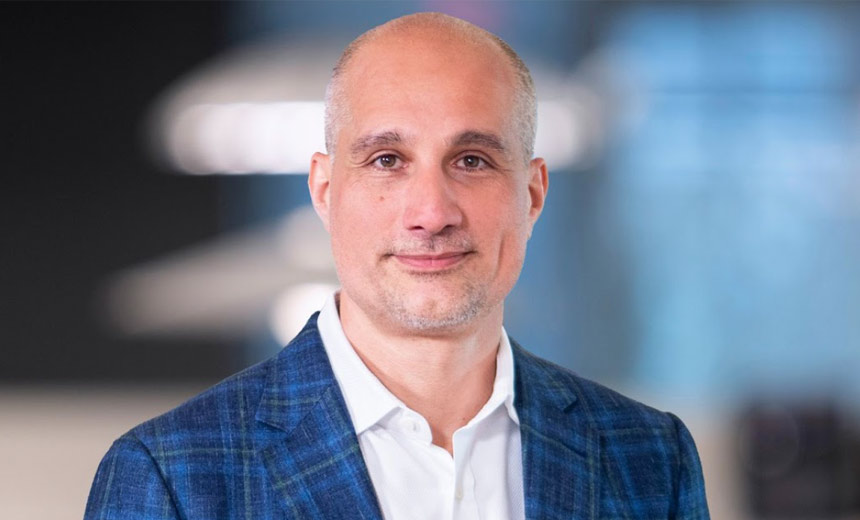


Equifax CTO Jamil Farshchi Discusses Cybersecurity Challenges Amid Evolving AI Landscape
In an era dominated by rapid technological advancements, Jamil Farshchi, the Chief Technology Officer (CTO) at Equifax, articulates the pressing need for cybersecurity teams to adapt to the swift nature of contemporary cyber threats. The emergence of Anthropic’s Claude Mythos, a new artificial intelligence model, poses significant challenges, as it has the capability to unveil vulnerabilities at an unprecedented speed. While these advanced AI tools empower attackers, Farshchi emphasizes that they do not enhance the processes of vulnerability discovery and remediation commensurately.
Farshchi’s insights come at a critical juncture when traditional IT service approaches appear increasingly inadequate in the face of sophisticated cyber threats. Observations indicate that many organizations still operate under outdated practices, with some taking as long as two months to address identified vulnerabilities. This delay starkly contrasts with the capabilities of today’s attackers, who can exploit such flaws within mere hours. Given this alarming disparity, Farshchi advocates for a paradigm shift in how businesses manage cybersecurity risks.
Moving beyond reliance on patching systems, which have proven ineffective against today’s fast-paced threats, Farshchi urges organizations to adopt risk models that emphasize proactive strategies. Instead of leaning on static scoring systems that may not accurately reflect the evolving risk landscape, he suggests that cybersecurity teams should anticipate possible attack vectors, implement real controls, and consider the potential impact on overall business operations. According to Farshchi, "That old model just doesn’t work anymore," a sentiment he believes will resonate with organizations already struggling under the weight of these new challenges. The advent of sophisticated AI models is expected to exacerbate the situation, making it imperative for companies to rethink their security frameworks.
Furthermore, Farshchi shares his vision for AI’s role within cybersecurity. He posits that AI-based tools should not only enhance security operations through automation and analysis but should also streamline workflows to mitigate the ever-growing list of cyber threats. Nevertheless, he acknowledges the irreplaceable role of "deterministic" cyber defense controls in safeguarding enterprises. Farshchi’s assertion highlights a critical intersection between emerging technology and foundational security principles.
In a recent interview with Information Security Media Group (ISMG), Farshchi elaborated on multiple facets of these issues. He discussed the limitations of patch-based security models and how they fail to adequately address threats that evolve as rapidly as AI technology itself. Additionally, he offered insights on prioritizing risks in ways that extend beyond the Common Vulnerability Scoring System (CVSS).
His extensive background adds weight to his assertions. Before taking on the CTO role at Equifax, Farshchi served as the Chief Information Security Officer, where he spearheaded an impressive $1.5 billion transformation aimed at bolstering the company’s cybersecurity measures. Under his leadership, Equifax established one of the most sophisticated and transparent cybersecurity and privacy programs within the corporate environment. His experience extends to previous roles at major corporations like The Home Depot, Time Warner, and Visa, as well as esteemed institutions such as Los Alamos National Laboratory and NASA.
As organizations navigate this complex landscape, it becomes increasingly apparent that the traditional methods of managing cybersecurity may no longer suffice. The calls for a transformation in strategies resonate not only with industry professionals but also highlight the need for collective action among enterprises. The integration of AI and automation into security practices offers a promising avenue towards enhancing defenses, yet vigilance and adaptability remain paramount.
In conclusion, Jamil Farshchi’s perspective serves as both a warning and a guiding principle for organizations grappling with the challenges of cybersecurity in an AI-driven age. His emphasis on proactive risk management and the embracing of innovative technologies underscores a vital shift in the approach to safeguarding critical assets and data against an ever-evolving threat landscape.