
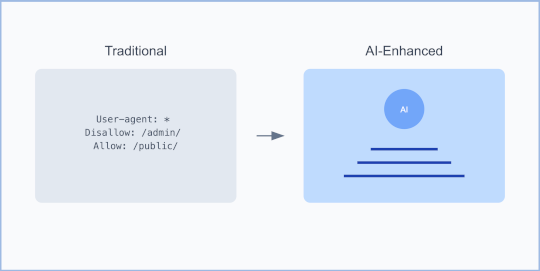


In today’s rapidly evolving digital landscape, the humble robots.txt file has transcended its traditional role as a simple traffic controller for search engines. Now, it has the potential to be transformed into a robust security asset that can safeguard your website and brand. This transformation, as explained by tech entrepreneur and cybersecurity author Deepak Gupta, holds immense significance for anyone with a digital presence.
Initially perceived as a basic text file used to inform search engines about which areas of a website they are allowed to crawl, the robots.txt file gained newfound importance for Gupta when a poorly configured version led to performance issues on his servers. This incident served as a stark reminder that even seemingly rudimentary tools can have far-reaching security implications in the digital realm.
Gupta emphasizes the need to view robots.txt not merely as a virtual fence, but as an intricate boundary system that can be leveraged for enhanced security measures. By following a security-first configuration approach, website owners can create smart boundaries that protect sensitive endpoints, prevent information leakage, and control access rates to preserve server resources effectively.
One key aspect of utilizing robots.txt for security enhancement is the creation of digital tripwires. By setting up specific entries that should not be accessed, website owners can proactively identify and address potential security threats before they escalate. For instance, monitoring attempts to access non-existent but sensitive-looking paths can serve as an early warning system to flag malicious intent.
The real power of robots.txt shines through when it is integrated with modern security systems. By coupling it with a Web Application Firewall (WAF) that monitors compliance with robots.txt directives, website owners can track and limit violative behavior, implement custom rules, and enhance overall security measures. Additionally, incorporating AI-powered threat detection capabilities can enable predictive defense mechanisms that identify patterns in crawler behavior, predict security threats, and automatically adjust responses.
Furthermore, robots.txt can double as a brand protection tool by preventing unauthorized content scraping, safeguarding digital assets from misuse, and ensuring control over how content is accessed and utilized. As web security continues to evolve, robots.txt is poised to play an increasingly pivotal role in fortifying digital defenses against emerging threats.
Looking ahead, the future of web security will see robots.txt evolving into dynamic defense systems with real-time rule updates, adaptive rate limiting, and automatic responses to security threats. AI-enhanced protection mechanisms will enable robots.txt to predict and prevent sophisticated attacks, adjust security parameters autonomously, and integrate seamlessly with advanced security analytics.
To implement these advanced security features, website owners are advised to audit their current robots.txt configuration, identify sensitive areas for protection, implement monitoring and logging protocols, integrate with security tools, configure automated responses, and conduct regular testing and updates. By tracking metrics related to unauthorized access attempts, server resource optimization, security incidents, and crawler behavior compliance, website owners can gauge the effectiveness of their security measures.
In conclusion, the evolution of robots.txt from a rudimentary crawler control tool to a sophisticated security instrument underscores the dynamic nature of web security. By strategically implementing these strategies, website owners can harness the power of robots.txt to bolster their security architecture intelligently. Effective security, Gupta emphasizes, lies not in complexity but in the strategic and intelligent use of available tools to address specific needs and threats. Starting with basic implementations and progressively enhancing security posture is key to fortifying digital defenses in an ever-evolving cyber landscape.