
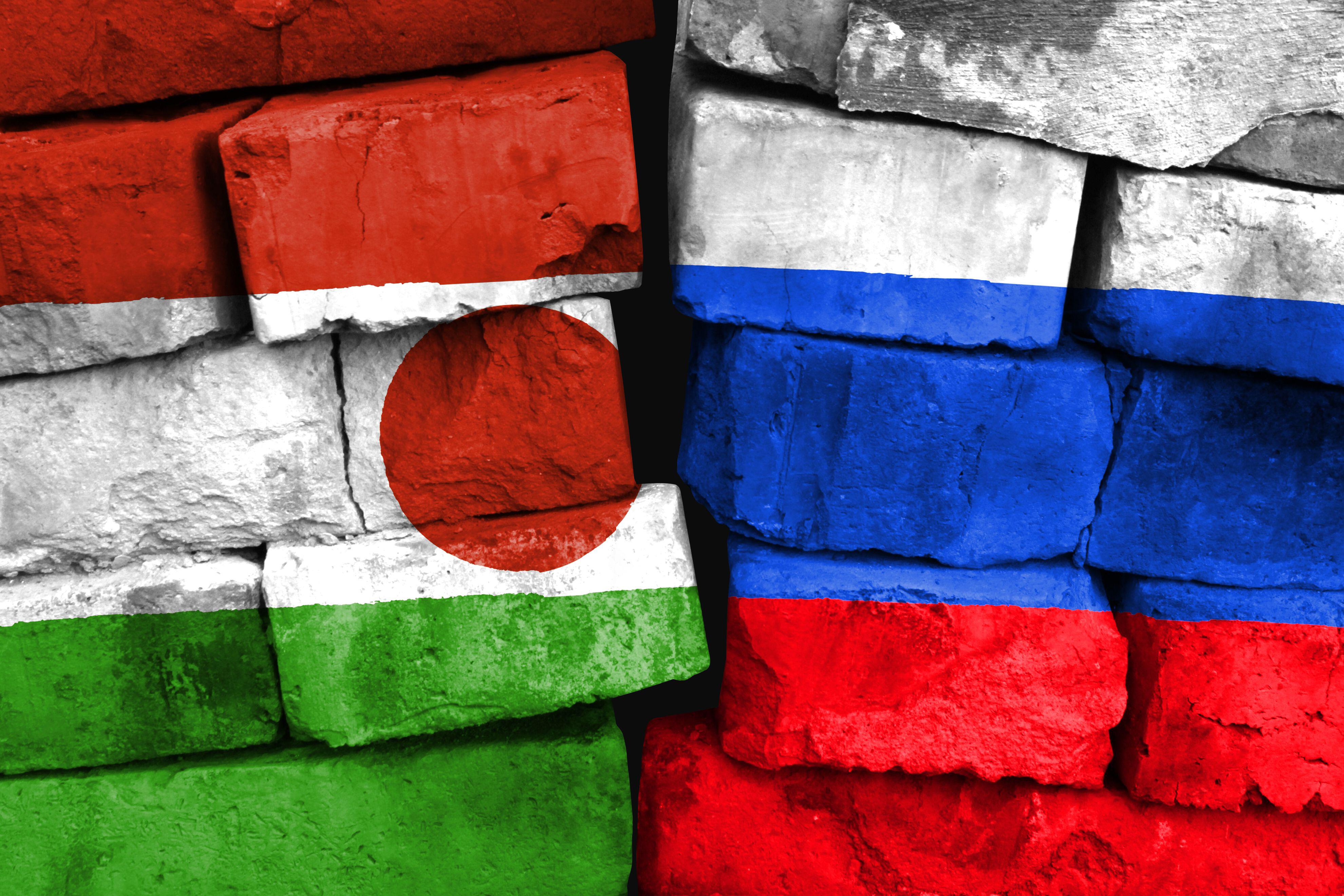
Russia has been accused of launching sympathetic media outlets, courting anti-French public support, and creating fake civil society organizations in turbulent African states, according to a recent investigation by Microsoft. The report highlights the increasing influence campaigns conducted by Russia in countries such as Mali, Guinea, Burkina Faso, Niger, and Gabon, which have experienced political instability due to recent coups.
In countries like Mali, Burkina Faso, and Niger, where the French language still holds significant influence as a post-colonial legacy, coup leaders have specifically targeted Radio France International and France 24 as adversaries. This strategy aims to silence the largest French-language sources of news from the West, creating a void that allows other narratives to thrive. Russia has taken advantage of this situation by distributing content on pro-Russian media channels that aim to stoke anti-French sentiment. These outlets have been praising the coup leaders and broadcasting supportive messages from nations friendly to Russia. One of the key aspects of Russia’s influence campaign is championing national sovereignty while denigrating France, which has often prompted Western nations to withdraw their diplomats and take other actions.
Additionally, Russia has created the Russia-Africa Alternative Partnership for Economic Development, which has established chapters in multiple African countries, including Niger. This partnership has been actively involved in pro-coup protests, expressing support for junta regimes and expressing aspirations for closer ties with Russia. Another organization supported by Russia is l’Union des patriotes panafricanistes, a political party whose leader has openly declared support for Russia’s actions in enabling the Niger coup. This group has gained significant support from Nigerien musicians, some of whom released a music video opposing the presence of the French army.
The investigation also shed light on the involvement of the Wagner Group, a Russian state-funded private military company. The Wagner Group has actively used Facebook groups to promote pro-Russian propaganda and broadcast pro-coup messaging. The group was initially deployed to Mali in December 2021 for combat operations and to run influence campaigns, which ultimately influenced the outcome of the Malian constitutional referendum. In Niger, although the Russian government did not directly declare support for the coup, Yevgeny Prigozhin, a key figure in the Wagner Group, publicly endorsed the coup before his death in August.
Following Prigozhin’s death, Microsoft claims that the fate of Wagner operatives on the continent remains unknown. Still, it is evident that the Wagner Group is just one actor among many in Russia’s broader influence apparatus in Africa. The investigation raises concerns about the extent of Russia’s reach and the potential consequences of their actions in African countries that are already grappling with political instability.
In July, a summit was held in Saint Petersburg where Russian President Vladimir Putin met African leaders. However, reports indicate that only 17 African leaders attended, which was lower than the number of attendees at the previous summit in 2019. This lower turnout suggests that Russia’s influence in Africa may be diminishing despite their ongoing efforts to exert control.
The investigation conducted by Microsoft highlights the growing concern over Russia’s influence campaigns in Africa. By exploiting political instability and targeting French-language media, Russia aims to amplify anti-French sentiment and promote narratives that are favorable to their own interests. As these actions continue, it remains to be seen how African nations and the international community will respond to Russia’s expanding influence in the region.