
Russian Backdoor Found in Slovak Traffic Cameras
Recent reports reveal a significant cybersecurity threat linked to Slovakia’s modernization of state infrastructure, particularly concerning newly acquired high-speed traffic cameras. The critical situation has prompted the National Security Authority, Slovakia’s watchdog for cybersecurity, to investigate alarming security vulnerabilities that were discovered in these devices—a project funded by a €30 million grant from the European Union aimed at upgrading traffic surveillance systems.
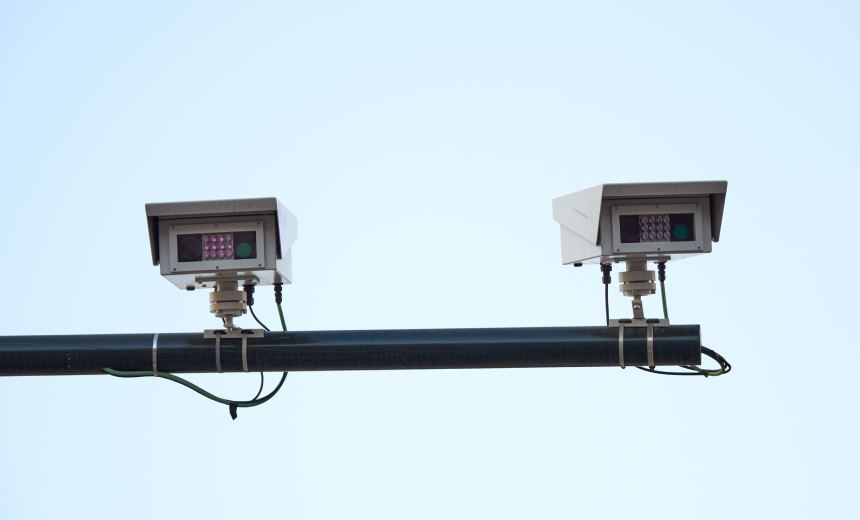
The investigation disclosed that backdoors were embedded in a software module of 279 NERO R-ONE high-speed cameras. These cameras, now decommissioned due to the findings, were discovered to contain a series of phone numbers associated with Russian entities, suggesting an alarming level of intrusion into national infrastructure. Specifically, it was revealed that SMS messages sent from any of the twelve identified Russian phone numbers could activate the backdoor. This would allow malicious actors to gain full control of live camera feeds without the need for device IP addresses or passwords, effectively compromising the security of Slovakia’s traffic monitoring systems.
In response to the incident, the National Security Authority published a detailed technical report, outlining both the specific vulnerabilities in the NERO camera systems and the origins of the equipment. Alarmingly, the report noted that the Secure Boot feature—a crucial security measure that verifies digital signatures of software during startup—had been disabled on these cameras. Further audits, conducted in conjunction with an independent cybersecurity expert, confirmed the presence of additional vulnerabilities, including flaws in the cameras’ web management portals and communication interface configurations. Notably, researchers flagged issues regarding poor software security practices, as well as hidden remote access and product management mechanisms.
Media investigations, particularly by the Slovak outlet Aktuality, have traced these problematic cameras back to a shell company based in Cyprus named Sodasus. This company reportedly supplied rebranded models of the Russian-made CORDON PRO.M cameras to the Slovak government through a no-bid procurement contract, adorned with fraudulent certifications to disguise their true origins. The link to Russian manufacturer Semicon, headquartered in St. Petersburg, initially met with denial from the Ministry of the Interior, but increasing scrutiny has raised doubts about the credibility of these assurances.
The ramifications of this cybersecurity breach are significant. The deployment of the traffic cameras has been promptly halted by Slovak authorities, reflecting the gravity of the situation. Despite these developments, Slovakia’s populist government—headed by Prime Minister Robert Fico—is standing by its initial assertion that the cameras do not pose a credible threat to national security. Fico’s administration, characterized by pro-Russian stances within the European Union and a perceived leniency toward Russia amid the ongoing conflict in Ukraine, faces growing skepticism. Critics are demanding that Interior Minister Matúš Šutaj Eštok be held accountable, calling for his resignation due to the mishandling of the situation.
Further complicating the matter is the revelation that similar devices modeling after the CORDON PRO.M design have also been deployed in Croatia and other Eastern European nations. This scenario raises concerns about the broader implications of compromised infrastructure in multiple countries, suggesting a potential regional security crisis fueled by external, nefarious interests.
As Slovakia grapples with these challenges, the incident underscores the imperative need for stringent cybersecurity measures and thorough vetting processes for infrastructure projects, particularly those involving technology with possible foreign ties. The findings compel a reevaluation of existing protocols and a more vigilant stance in safeguarding critical national infrastructure against foreign penetration and manipulation. The national security landscape is evolving, and incidents such as these highlight the perpetual vulnerabilities that must be addressed to defend against modern cyber threats.
The ramifications of this discovery continue to unfold, and the need for increased cybersecurity vigilance is now more apparent than ever. As the investigation deepens, the Slovak government must navigate an intricate web of political, technical, and public safety concerns, ensuring that the future of national security is not compromised by the very technologies designed to enhance it.