
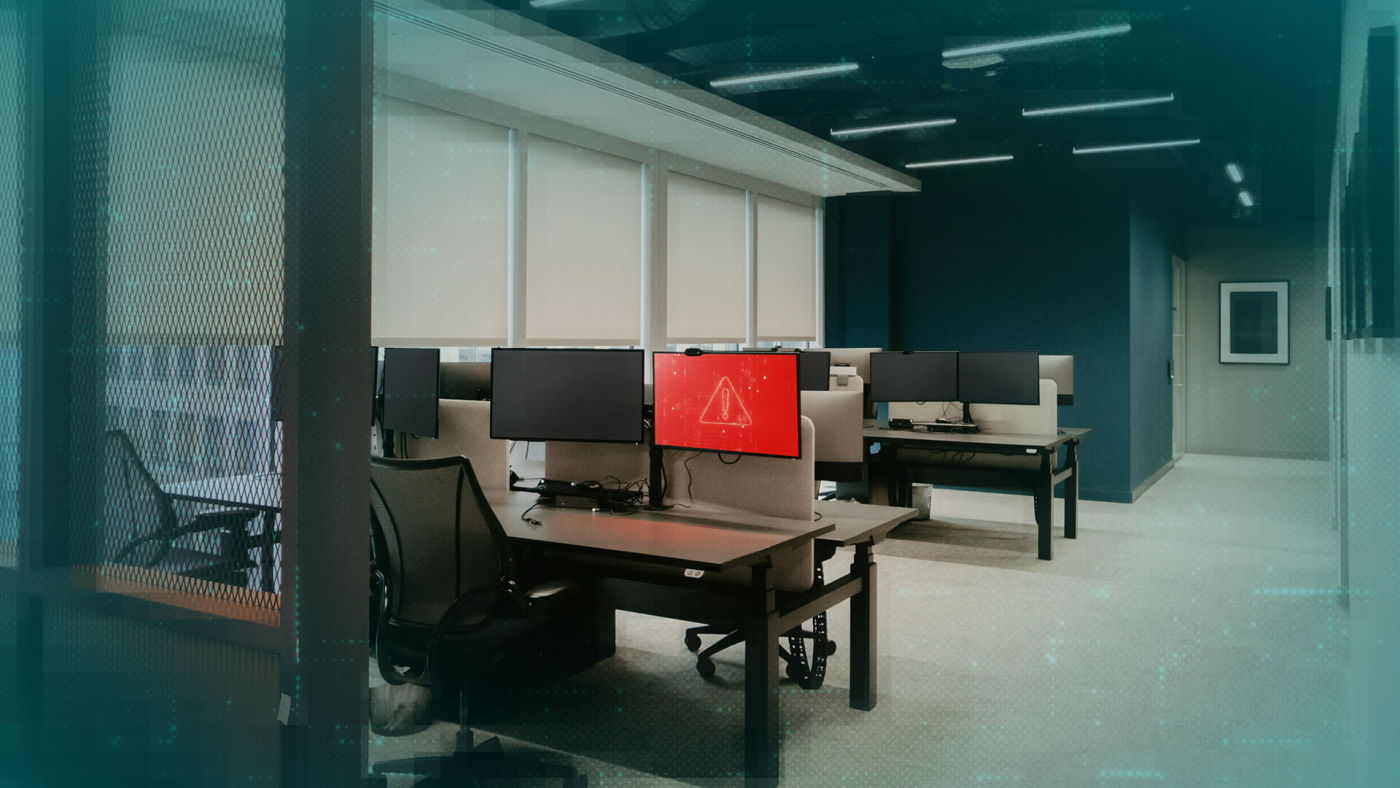
The upcoming festive holidays may have many of us looking forward to some well-deserved time off, but for cybercriminals, it could be the perfect opportunity to strike. With most corporate security teams also taking time off during this period, the risk of a cyberattack increases significantly. This is not a new phenomenon, as history has shown that threat actors often target organizations during holidays and weekends, especially with ransomware attacks.
To combat this threat, organizations need to have a solid cybersecurity plan in place 24/7, all year round. The key is to have the right people, processes, and technology in place to mitigate cyber risks effectively. Research shows that while ransomware payment rates are declining, threat actors are constantly evolving their tactics to make their attacks more effective. Launching attacks during public holidays, at night, or on weekends has become a common strategy for cybercriminals.
Studies have indicated that ransomware attacks increase by 30% during public holidays and weekends, with security professionals expressing concern about such events. Most ransomware attacks now occur between the hours of 1 am and 5 am local time, catching organizations off-guard and understaffed. Past incidents like the Colonial Pipeline breach, the JBS ransomware attack, and the Kaseya supply chain attack highlight the trend of cyberattacks during holidays.
It’s not just cybercrime that organizations need to worry about during the festive season; state-sponsored attacks are also a looming threat. Countries like China, North Korea, Russia, and Iran, where many attacks originate from, may not celebrate Christmas at the same time as Western countries, putting organizations at risk.
The impact of a cyberattack during the holiday period can be severe for businesses across various sectors, affecting their bottom line and reputations. The longer it takes to respond to a ransomware threat, the more data the attackers can steal, leading to potential data encryption and ransom demands. Security professionals responding to attacks during weekends or holidays may be impaired, affecting their ability to mitigate the threat effectively.
Aside from ransomware, organizations also need to guard against other threats like phishing, business email compromise, and DDoS attacks during the festive period. Mitigating these risks requires continuous, automated patching, penetration testing, multi-factor authentication, data encryption, and incident response planning. Cybersecurity training and awareness programs are also crucial to prepare staff for identifying and responding to potential threats.
In conclusion, cybercriminals do not take holidays, and organizations must be prepared to defend against potential attacks at any time of the year. By implementing robust cybersecurity measures and staying vigilant, businesses can safeguard their data and operations during the festive season and beyond. Planning for the worst-case scenario today can prevent a cybersecurity nightmare during the holidays.