


Tyler Buchanan Pleads Guilty to Conspiracy to Commit Wire Fraud and Identity Theft
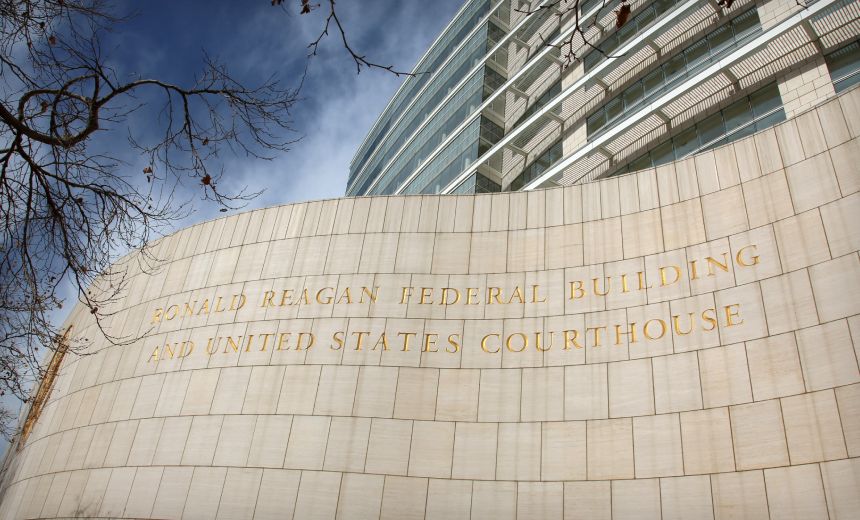
Tyler Robert Buchanan, a prominent member of the notorious Scattered Spider cybercrime group, has pleaded guilty to two serious charges in a California federal court. The charges include conspiracy to commit wire fraud and aggravated identity theft. This court appearance took place on April 17, 2026, in Orange County, marking a significant moment in a legal saga that has drawn considerable attention.
Buchanan, aged 24 and hailing from Scotland, has been incarcerated since April 2025. His arrest occurred in Palma de Mallorca, Spain, where he was apprehended just before boarding a chartered flight to Naples. His extradition to the United States has paved the way for this trial, which has culminated in his guilty plea.
According to a plea agreement filed in court, Buchanan confessed to a multitude of crimes associated with a phishing campaign. He reportedly sent out “hundreds” of fraudulent SMS messages that were designed to appear as if they were coming from official IT helpdesks or outsourced service providers. This deceptive tactic was part of a concerted effort with three co-conspirators, all of whom have been indicted together. Their collective criminal activities have been estimated to have stolen more than $8 million in cryptocurrency.
The Federal Bureau of Investigation (FBI) linked Buchanan to a significant phishing operation that took place during the summer of 2022. This campaign utilized counterfeit Okta authentication pages that allowed them to break into over 130 organizations, with notable victims including major companies like Twilio and Cloudflare. The law enforcement agency’s investigation revealed that an IP address leased by Buchanan was connected to a domain registrar account, which was used to create misleading domain names resembling those of well-known telecommunications and technology companies. This led Police Scotland to conduct a search at Buchanan’s residence in April 2023, where they seized approximately 20 devices. Notably, files related to various victim organizations were discovered on these devices.
Renowned cybersecurity journalist Brian Krebs detailed that Buchanan had fled Scotland as a result of escalating threats against him. In February 2023, a rival cybercrime gang allegedly sent individuals to invade his home, assault his mother, and threaten severe consequences if he did not relinquish access to his cryptocurrency wallet. This violent episode encapsulates the often perilous nature of the cybercrime landscape, where turf wars can escalate to physical confrontations.
The group to which Buchanan belongs, Scattered Spider, emerged around mid-2022 from a broader cybercrime community primarily composed of youthful hackers known as “The Com.” Despite ongoing law enforcement efforts to dismantle their operations, Scattered Spider has shown remarkable resilience. This is largely attributed to their ability to recruit new members and their lack of formal structure, which complicates efforts to disrupt their activities. Some of the group’s affiliates have recently adopted the name ‘Scattered Lapsus$ Hunters,’ reflecting an evolving identity within the cybercrime ecosystem.
This case serves as a reminder of the ongoing battle against cybercrime and the intricate web of criminal enterprises that exist in the digital realm. It underscores the challenges faced by law enforcement agencies in combating these sophisticated operations and highlights the critical role of international cooperation in apprehending individuals like Buchanan, who seek to exploit vulnerabilities for financial gain.
As the legal proceedings continue, the outcomes will likely resonate beyond the courtroom. They may serve as a cautionary tale for aspiring cybercriminals while also reinforcing the need for businesses and individuals to remain vigilant against phishing and other forms of cyber threats. With the digital landscape continually evolving, so too must the strategies employed to combat these criminal enterprises.