
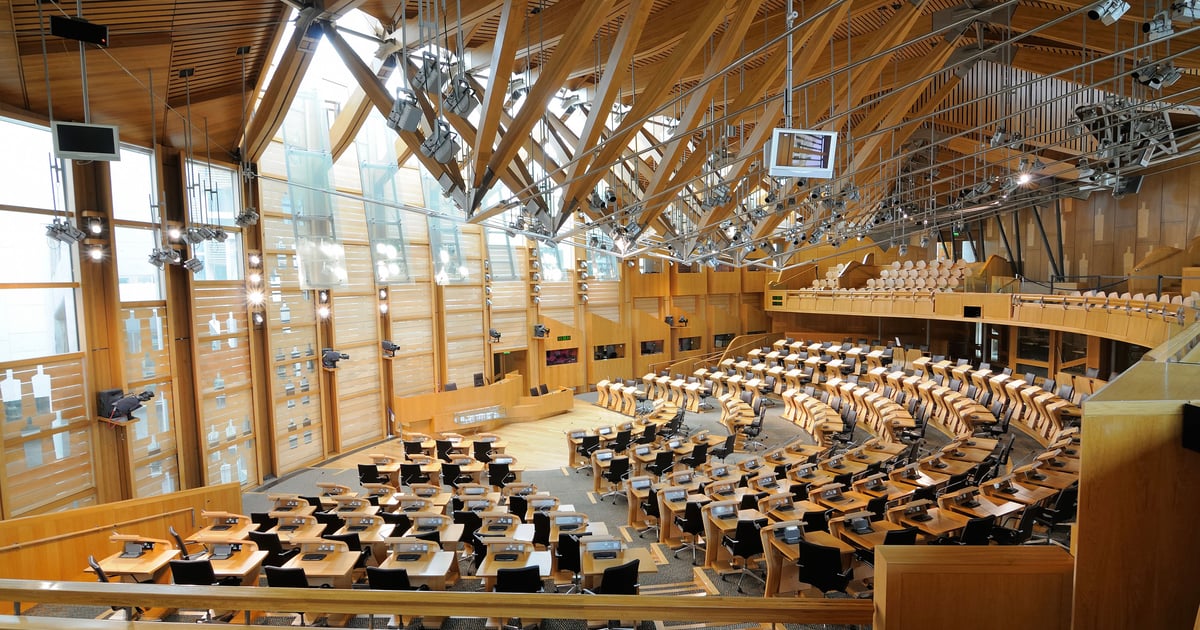
Deepfake technology poses a significant threat to the authenticity and trustworthiness of recordings and live video streams, particularly when it comes to important governmental proceedings such as those in the Scottish Parliament. As reported by Dark Reading, the rise of deepfakes has raised concerns about the potential security risks to the Scottish Parliamentary proceedings, which could ultimately undermine public trust in democracy.
One of the main concerns surrounding deepfakes in the context of the Scottish Parliament is the vulnerability of the live streaming services provided by the Scottish Parliament TV website. This platform offers real-time streaming and access to archived recordings from the Debating Chamber and committee rooms, with no content restrictions in place. Users are able to download streaming video clips and reuse the material under broad licensing terms. While this level of public access is commendable for its transparency, it also opens the door to various cybersecurity threats.
Ben Collier, an expert from the Scottish Centre for Crime and Justice Research (SCCJR) at the University of Edinburgh, has highlighted the potential cybersecurity risks associated with deepfakes in the Scottish Parliament. According to Collier, deepfakes could potentially be used to manipulate live streams of parliamentary proceedings, thus deceiving viewers and casting doubt on the authenticity of the recordings. This, in turn, could erode public trust in the democratic process.
Researchers from the University of Edinburgh and SCCJR have pinpointed three key threats posed by deepfakes to the Scottish Parliament. These threats include the possibility of attackers infiltrating the network and intercepting live video streams to manipulate the content, creating and disseminating deepfake videos of parliamentary sessions on social media platforms, and leveraging the parliamentary video archive to train AI systems to generate malicious content targeted at parliament members.
Despite the significant risks posed by deepfakes, the Scottish Parliament currently lacks specific measures to counter these threats. However, researchers have proposed several potential solutions to enhance the security of parliamentary proceedings. These solutions include developing an intervention and reporting plan to address deepfake incidents, implementing more robust authentication checks to verify the authenticity of video content, and establishing a dedicated communications team within the broadcasting unit to support parliament members targeted by malicious deepfake campaigns.
In conclusion, the proliferation of deepfake technology presents a clear and present danger to the integrity of recordings and live streams, particularly within sensitive contexts such as parliamentary proceedings. As the Scottish Parliament grapples with the challenges posed by deepfakes, it is crucial to prioritize cybersecurity measures and adopt proactive strategies to safeguard the authenticity and transparency of parliamentary activities. Failure to address these threats could have far-reaching implications for public trust in democracy and the credibility of governmental institutions.