
The Evolution of Security Awareness Training: Beyond Static Solutions
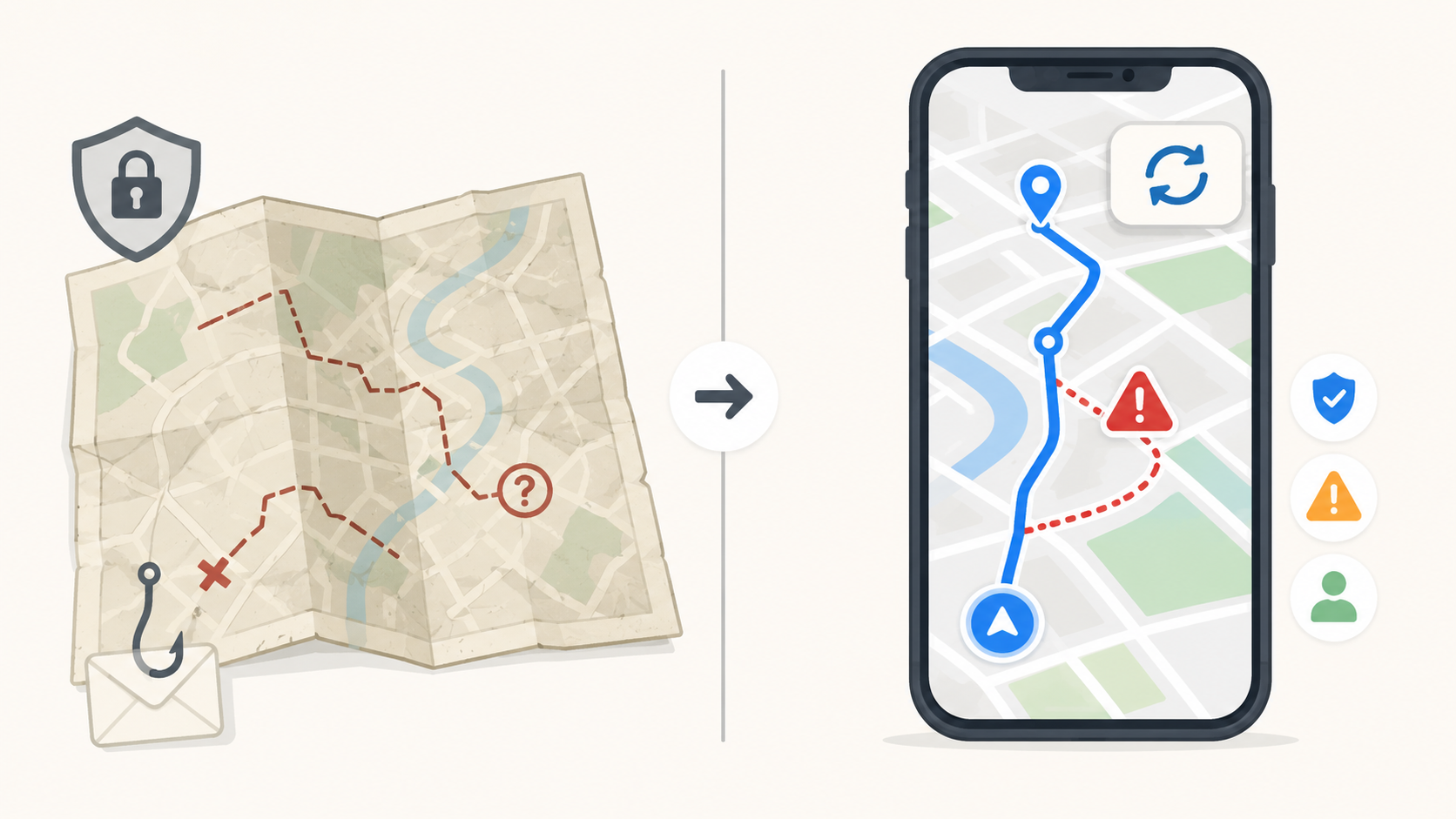
In an age where technology provides instant gratification and real-time updates, the concept of using outdated tools, much like relying on old paper maps for navigation, seems increasingly obsolete. For those familiar with the intricacies of navigating with a traditional paper map, the experience often conjures memories filled with frustration. It involves holding multiple pages awkwardly, receiving admonishments for misreading directions, and ultimately realizing that roads have transformed into sprawling retail complexes since that map was printed. Such maps become relics, serving as historical artifacts rather than practical navigation aids. This analogy resonates deeply with current trends in security awareness training.
Just as a paper map ceases to be relevant when roads shift or diversions are put into place, the static nature of traditional security awareness training fails to address the dynamic landscape of cyber threats that organizations face today. Security training, often delivered in once-a-year sessions, lacks the adaptability necessary to keep pace with shifting tactics employed by malicious actors. As attackers continuously evolve their strategies—integrating components like artificial intelligence to craft context-sensitive phishing schemes—the content of static training material becomes stale and ineffective. By the time organizations refresh their training modules, the threats have already morphed, rendering previous education obsolete.
Moreover, it’s crucial to recognize that individuals, too, undergo significant changes over time. The employee who seemed low-risk six months ago might now find themselves in a high-pressure role with new responsibilities and unfamiliar supplier interactions. This person is more susceptible to making mistakes when overwhelmed, yet static training programs fail to account for these evolving human factors. They cannot dynamically adjust to external influences or current challenges, much like a outdated map that insists on depicting a road that no longer exists.
To combat these challenges, security awareness training must become more akin to a modern navigation system like Google Maps. It should incorporate real-time responsiveness and personalization, addressing the current realities rather than relying on past data. Just as navigational tools can warn drivers of accidents or road closures ahead, security training should provide timely alerts and guidance tailored to the individual’s context and needs. Instead of offering a one-size-fits-all solution, organizations should recognize that newcomers, seasoned employees, and those who recently encountered sophisticated threats require different forms of intervention.
Dynamic training offers the ability to meet employees where they are, taking into account their behaviors, contexts, and pressures. Effective behavior change cannot stem from the mere repetition of training videos but must be rooted in a deep understanding of an employee’s unique situation. A new team member may need foundational training, while an experienced finance director may require nuanced insights tailored to their specific vulnerabilities.
An ideal program should also encourage a culture of collaboration and alertness. Just as Google Maps allows users to report incidents—like accidents or hazards—security awareness culture should make it easy and encouraging for employees to flag suspicious activities. This feature fosters a collaborative environment where shared visibility becomes paramount. For instance, a phish alert button serves not merely as a technical function but as a critical tool for shared protection—paralleling the responsibility of alerting fellow drivers to a dangerous situation on the road.
Personalization in training is equally critical. Some employees may require more assistance while others show resilience against threats; tailoring the training experience to meet these varying needs can make a significant difference. Ignoring the individual differences within a workforce is analogous to guiding cyclists and large truck drivers along the same route, only to be surprised when complications arise.
In sum, effective security awareness training should abandon the outdated models of yesteryear in favor of a responsive, engaging framework that adapts to the modern world. It should reflect real-time threats, individual user contexts, and evolving behaviors. A living, adaptable navigation system can empower employees by equipping them with the tools to avoid dangers before they encounter them. If training merely commemorates the past, it loses its purpose, serving only as nostalgia with a corporate label, rather than guiding individuals towards safer digital practices.
Ultimately, as the security landscape continues to shift, organizations must prioritize the creation of dynamic, responsive educational tools that not only reflect the current realities of cybersecurity but also cater to the diverse needs of their workforce. This evolution will ensure that employees are not left to navigate treacherous terrains with outdated maps, but are instead adequately equipped to traverse the complexities of a digital landscape fraught with risks.