
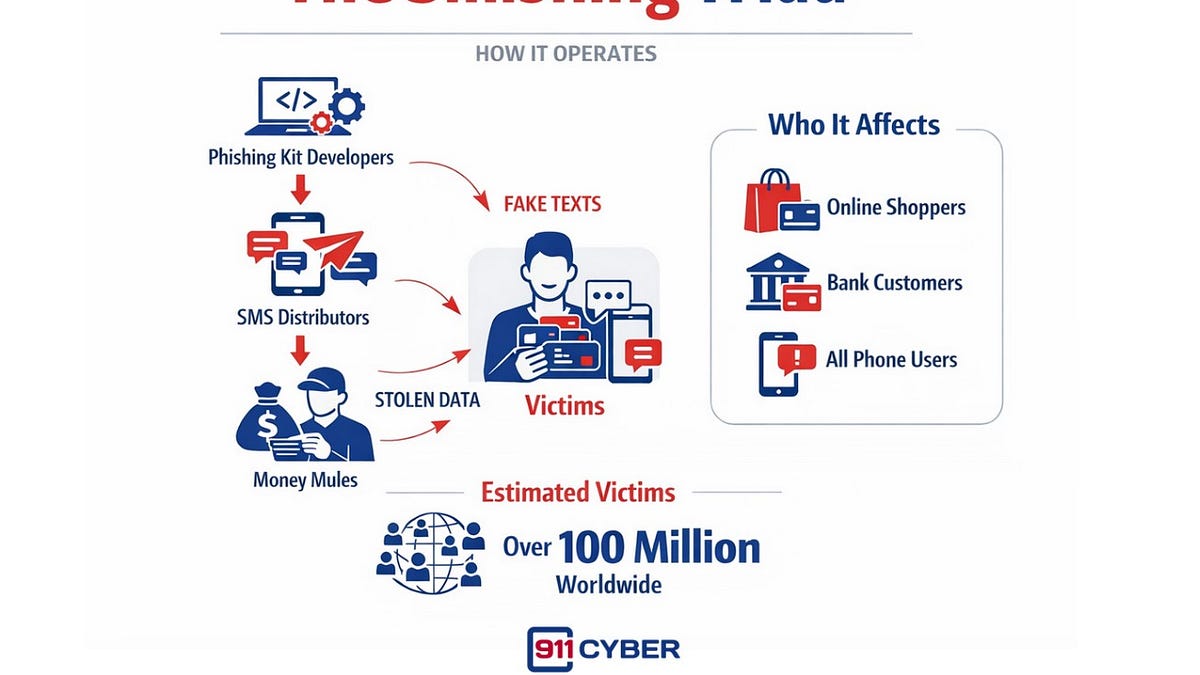


Rising Threat of SMS Phishing: Targeting Mobile Users Globally
As mobile technology continues to dominate communication, cybercriminals are adapting their strategies to exploit vulnerabilities in this medium. A particular rise in SMS phishing, commonly referred to as "smishing," has been noted, alarming cybersecurity experts and mobile users alike. This insidious form of cyberattack has been active since around 2021, preying on individuals across Europe, Asia, and North America.
The main objective of these attackers is to harvest sensitive banking information and online account credentials by employing various deceptive techniques. These methods often include spoofed SMS messages, which trick users into believing they are legitimate communications from trusted entities. Additionally, fake websites are created to further bamboozle unsuspecting victims, leading them to enter personal information directly into the hands of cybercriminals. In many cases, Android trojans are utilized to infiltrate mobile devices, facilitating a deeper breach of security and worsening the situation for users.
Mobile users are particularly vulnerable to such attacks due to the nature of SMS communications. Unlike emails, which are often scrutinized for authenticity, text messages are frequently perceived as secure channels. This misperception creates a fertile ground for phishers, who craft their messages in ways that encourage quick action without thorough consideration.
The implications of smishing extend beyond personal inconveniences; they can lead to severe financial repercussions, identity theft, and the loss of trust in digital communications. As banking and ecommerce continue to move online, the stakes have never been higher. Cybersecurity experts emphasize the critical need for awareness and education among mobile users to combat this growing threat effectively.
Individual users are encouraged to be vigilant. Recognizing the warning signs of smishing is vital. Consumers should be wary of unsolicited messages, especially those that prompt immediate responses or ask for sensitive information. It is also advisable to verify any claims by directly contacting the purported sender through official channels, rather than using any contact information provided in the suspicious message.
Organizations, too, have a role to play in safeguarding their clients. They are urged to educate their customers about these types of threats, ensuring that people know how to recognize and report them. This can involve distributing informational materials or conducting workshops that highlight best practices for mobile security.
To further protect against smishing, individuals can assist in securing their devices by updating software regularly, utilizing adequate security measures, and installing reputable antivirus programs. Moreover, adopting multi-factor authentication for sensitive accounts can add an additional layer of security, making it harder for attackers to gain access, even if they do manage to harvest credentials.
In summary, the evolving landscape of cyber threats necessitates that both individuals and organizations remain informed and proactive in their defenses against SMS phishing attacks. With awareness and vigilance, it is possible to thwart the ambitions of those who seek to exploit trust in mobile communication. By fostering a culture of security and encouraging responsible digital behavior, users and businesses can collectively fortify themselves against this pervasive and troubling threat in their digital interactions.
For those interested in gaining deeper insights into this issue, a comprehensive video summary outlining the nuances of smishing is available, shedding light on the strategies employed by scammers and how to effectively combat them. Awareness is key, and staying informed can make a substantial difference in mitigating risks associated with SMS phishing.