


Sri Lanka’s Online Safety Act Sparks Controversy
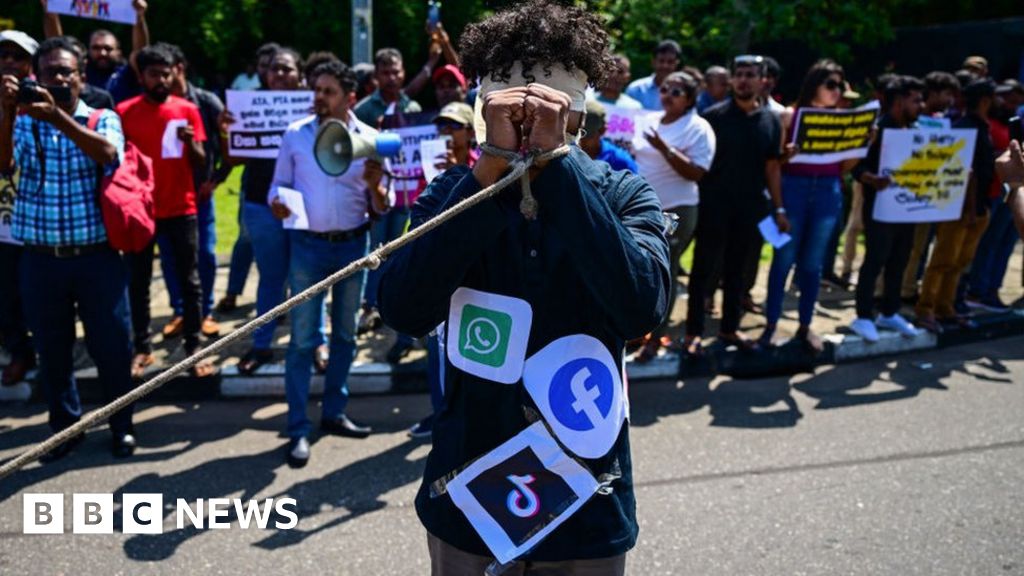
The controversial Online Safety Act has come into force in Sri Lanka, sparking protests among activists and rights groups who claim that the law is intended to stifle freedom of speech.
The new law gives a government commission broad powers to assess and remove “prohibited” content from the internet. The government claims that the act is necessary to fight cybercrime, but critics argue that it suppresses dissent ahead of upcoming elections.
The legislation, which was passed by a margin of 108-62 votes in parliament, has been met with outrage from activists and citizens alike. Protests erupted outside parliament as the bill was being debated, and it came into effect on Thursday following the Speaker’s endorsement.
The act prohibits “false statements about incidents in Sri Lanka,” statements with “an express intention of hurting religious feelings,” and the misuse of bots, among other things. A five-member commission appointed by the president will be given powers to assess these statements, direct their removal, and impose penalties on the individuals who made them.
Furthermore, under the new law, social media platforms will be held liable for the messages posted on their platforms. Publicity Security Minister Tiran Alles, who introduced the legislation, argues that it is necessary to tackle online fraud and statements that threaten national stability, citing more than 8,000 complaints related to cybercrimes filed last year.
However, opposition groups and rights organizations have condemned the act as an attempt by the government to silence dissent and suppress civic activism, particularly as the country deals with the consequences of its worst economic crisis. Since declaring bankruptcy in April 2022 with more than $83 billion in debt, Sri Lanka has been grappling with record food prices and inflation. President Gotabaya Rajapaksa was forced to step down amid widespread anti-government protests.
A group known as the March 12 Movement has criticized the government’s “adamant pursuit” of the legislation, stating that it is a clear indication of the government’s intention to silence dissent and suppress civic activism in the face of ongoing economic struggles. The group warns that the government’s coercive rule may lead to a major backlash from the frustrated citizens.
Rights group Amnesty International has also expressed concerns about the act’s broad provisions and vague wording, arguing that it will restrict people’s rights to freedom of expression and privacy online. The group’s regional researcher for South Asia, Thyagi Ruwanpathirana, has labeled the act as the government’s newest weapon to undermine freedom of expression and suppress dissent.
The United Nations’ human rights office previously raised similar concerns, stating that the act would give authorities “unfettered discretion to label and restrict expressions they disagree with as ‘false statements’.”
As Sri Lanka prepares for its next presidential elections, the new Online Safety Act has become a focal point of controversy and protest. With many citizens still feeling the effects of the economic crisis, the act is seen as a way for the authorities to tighten their grip on the flow of information and limit dissent in the run-up to the elections.