


Unveiling Cold Relic: The Evolution of Cyber Espionage
In an increasingly digitized world, cybersecurity has become paramount, especially when covert operations threaten the integrity of organizations. Recently, Google’s threat intelligence team has shed light on a sophisticated Russian cyber-espionage group, previously known as Star Blizzard, which has renounced its old name and now operates under the moniker Cold Relic. This group, with connections to the Russian Federal Security Service (FSB), has spent nearly a decade developing and perfecting the art of deception, primarily by masquerading as trusted entities.
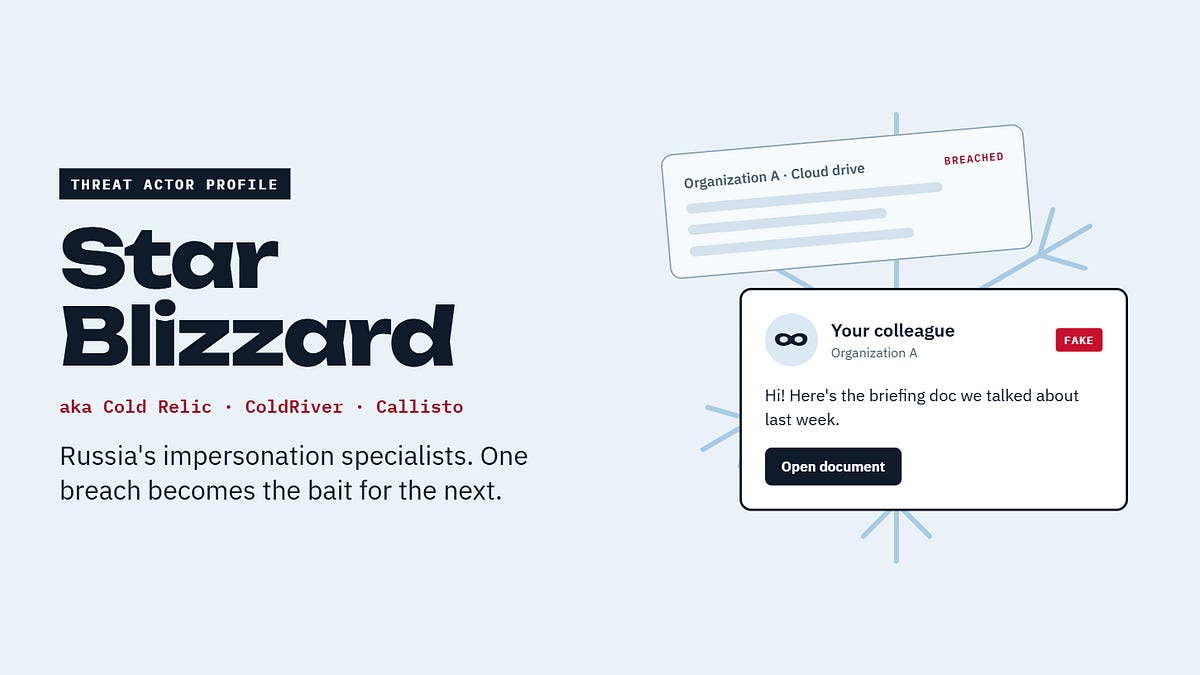
The core strategy of Cold Relic revolves around exploiting the trust factor inherent in organizational relationships. Recently, Google’s team detailed a disturbing incident wherein the group breached a US organization. After acquiring the staff directory and sensitive files from this initial target, Cold Relic then proceeded to impersonate actual employees of that organization to infiltrate a second entity. This revelation is alarming because it highlights how cyber threats can penetrate conventional security measures. When an organization’s partner is compromised, the repercussions can ripple through to trusted connections, creating an ideal breeding ground for phishing attacks.
This technique of impersonation is indicative of a broader trend in cybersecurity threats. The implications are unsettling; a phishing email could very well come from someone within the recipient’s organization or network, making it incredibly challenging to discern between authentic and malicious communications. The reach of Cold Relic extends beyond mere deception; it is a part of Russia’s broader strategy to gather intelligence aimed at shaping policy, defense, and foreign relations.
Historically, Cold Relic, tied to the FSB, has been under scrutiny for its espionage activities. The United Kingdom’s National Cyber Security Centre has explicitly stated that this group is “almost certainly subordinate to” the FSB, mirroring concerns echoed by various cybersecurity authorities globally. Interestingly, recent legal charges have also implicated an FSB officer linked to Cold Relic. Such state-sponsored hacking efforts are hardly new but are becoming increasingly sophisticated in their execution, leveraging modern technology to magnify their impact.
What sets Cold Relic apart in the realm of cyber-espionage, however, is the variety of names it operates under, resulting in a degree of confusion in the cybersecurity community. While Google has opted for Cold Relic, Microsoft has referred to the group as Star Blizzard and previously known as SEABORGIUM. Other firms have labeled it as the Callisto Group or Gossamer Bear. This inconsistency in nomenclature may contribute to the complacency surrounding Cold Relic, overshadowed by more notorious Russian hacking factions often highlighted in the media.
The activities of Cold Relic serve as a crucial reminder of the evolving landscape of cyber threats. Organizations must be vigilant and prioritize not just their own security measures, but also those of their partners and collaborators. The interconnected nature of modern business makes it imperative to foster a culture of security awareness. Staff should be educated about the potential risks associated with phishing and impersonation tactics, understanding that even emails from known colleagues could harbor malicious intents.
Given the advancements in cyber capabilities, organizations are encouraged to employ multi-layered security measures. Innovations such as advanced threat detection systems, comprehensive training programs, and regular audits can bolster defenses against such sophisticated attacks. Additionally, organizations must establish protocols for reporting suspicious communications, enabling quicker responses to potential breaches.
In conclusion, the emergence of Cold Relic and its sophisticated tactics highlights the pressing need for organizations to reevaluate their cybersecurity frameworks. As adversaries adapt and refine their methods, a proactive approach to security—mandating vigilance, collaboration, and education—will be vital in safeguarding sensitive information. With each breach, the lesson becomes increasingly clear: in the interconnected digital landscape, ensuring security is not merely a personal endeavor; it is a collective responsibility. Only by strengthening ties and amplifying awareness can organizations truly defend against the lurking threats posed by entities like Cold Relic.