
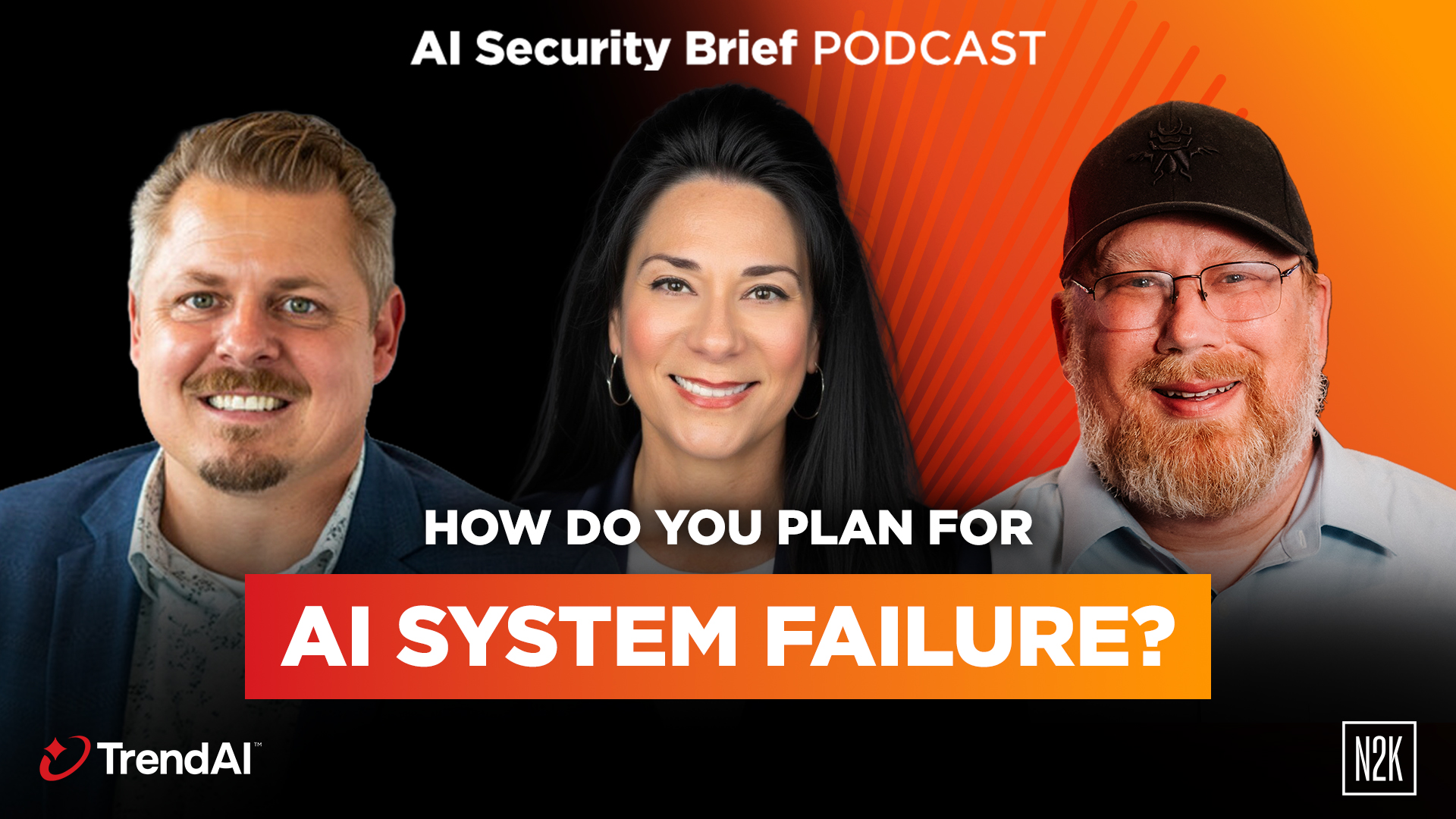


Navigating the Complexities of AI Security and Ownership: Insights from Industry Experts
In the rapidly evolving landscape of artificial intelligence, organizations are facing a myriad of challenges when it comes to implementation and security. Recently, an insightful episode of the "AI Security Brief" podcast featured Maria Haight, the Global Information Security Officer at Joyson Safety Systems, conversing with host Dustin Childs about the pressing realities associated with AI security and its operational management.
As organizations green-light their AI initiatives, the focus shifts from conceptualization to execution. This transition raises pivotal questions about ownership and accountability: once AI systems are operational, who maintains oversight? Additionally, if AI systems encounter failures, can traditional processes still be executed effectively? The podcast delves into these challenges, emphasizing the importance of preparedness and strategic oversight.
Haight highlights a critical consideration for any organization embracing AI technology: the necessity of planning for potential AI failures before the systems are even put in place. This foresight not only protects organizations from potential disruptions but also preserves the vital human knowledge needed to manage the technology effectively. The conversation reveals that as AI systems become more integrated into everyday operations, the risk of mechanical failure or unintended consequences increases. Therefore, creating a framework for managing such risks becomes imperative.
Accountability is another essential topic addressed in the podcast. Haight asserts that organizations need to establish robust mechanisms to monitor AI initiatives. This involves ensuring that AI systems are not only deployed but are also continually evaluated to deliver the intended value. By keeping approved AI initiatives under scrutiny, businesses can ensure that these technologies do not operate in a vacuum but are rather aligned with overall strategic goals.
Moreover, organizations are reminded of the importance of being proactive when engaging with large language model (LLM) providers and security vendors. Haight encourages businesses to ask pertinent questions regarding data usage, retention policies, and costs associated with these AI technologies. Addressing these aspects early on can help businesses avoid unexpected challenges or changes in strategy later in the implementation process.
The episode serves as a call to action for organizations to incorporate comprehensive risk assessments and management plans into their AI strategies. By anticipating potential hurdles and defining clear protocols for AI governance, organizations can better navigate the complexities associated with this transformative technology.
In discussing the critical decisions that must be made before AI implementation, the podcast underscores the need for safeguards to protect business continuity. Haight emphasizes that backing up critical business data is essential to ensure smooth operations should an AI system fail. This precaution becomes particularly relevant in environments where AI systems have taken over processes that were previously managed by humans.
The podcast further elaborates on the evolving landscape of AI security and the responsibility placed on business leaders to remain informed. As AI technologies continue to advance and proliferate, the implications of poor management can be profound. Hence, the discussions around operational accountability and execution of AI security become increasingly relevant.
In addition to providing tactical guidance, "AI Security Brief" also positions itself as a platform where technology leaders can engage in genuine conversations surrounding AI trends and the evolving threats they pose. With an emphasis on actionable insights, the podcast quite literally serves as a guiding light for organizations stepping into the uncertain terrain of AI.
The episode ultimately aligns with the mission of TrendAI™, an organization striving to empower businesses to lead the future of AI while eliminating associated risks. With proactive security measures, TrendAI™ aims to inspire innovation while ensuring that organizations can proceed fearlessly into the realm of artificial intelligence.
As businesses contemplate their AI strategies, the lessons shared in this podcast episode will prove invaluable. By committing to thorough planning, fostering accountability, and preparing for the complexities of AI management, organizations will be better equipped to harness the full potential of this transformative technology, while safeguarding their operations against potential pitfalls.