
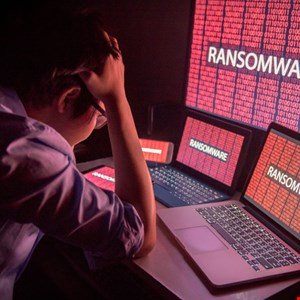
Surge in Ransomware Attacks on Government Entities: Analysis Reveals Daily Incidents
Ransomware attacks targeting government departments and agencies have surged alarmingly, with new data indicating that these entities face system restrictions due to encryption on a daily basis. This information is derived from a comprehensive study conducted by researchers at Comparitech, who meticulously examined ransomware incidents affecting government organizations between January and June 2026.
The findings, published on July 16, revealed that a staggering 187 government organizations fell victim to ransomware during the first half of 2026. This marks a significant 13% increase compared to the 165 recorded attacks in the latter half of 2025. Such a rise in ransomware incidents is especially concerning; the reported figure suggests that on average, there is now one ransomware attack against a government body every day, a chilling statistic that highlights the vulnerability of public institutions in the face of escalating cybercrime.
Among the 187 incidents documented, over half — precisely 89 organizations — publicly acknowledged being compromised. This reluctance of many agencies to disclose attacks may stem from fears of reputational damage and loss of public trust, leading to an underreporting of the true scale of the threat.
Government agencies are particularly attractive targets for cybercriminals due to the potential chaos a successful attack can wreak on public services and the extensive sensitive data these organizations handle regarding citizens. Rebecca Moody, the head of data research at Comparitech, articulated this risk succinctly, stating, “From weeks-long disruptions due to system encryption to extensive data breaches, governments are the ideal target for hackers.” The implications of such disruptions can pressure these agencies to consider paying ransom demands in exchange for the decryption keys essential for restoring their operational services—a much quicker solution compared to the lengthy process of independent recovery.
When examining geographical patterns in ransomware targets, the United States emerged as the leading nation, accounting for a staggering 31% of all attacks on government agencies during the analyzed six-month timeframe. Other countries, including Germany, Spain, and Italy, represented significantly smaller portions of the total ransomware incidents—7%, 4%, and 4%, respectively. The disparity in attack frequency could be attributed to the U.S.’s larger population, which presents a larger pool of potential high-value targets for cybercriminals.
The mean ransom demand reported during this period was approximately $100,000. This figure suggests that attackers are strategically calculating their demands, knowing that exorbitantly high ransoms, especially in taxpayer-funded organizations, diminish the likelihood of being paid. Nonetheless, there were notable outliers; for instance, a remarkable ransom demand of $3.1 million was issued to the Land and Agricultural Development Bank of South Africa following a cyber-attack in January 2026. The organization resisted paying the ransom, ultimately restoring its systems by April—an ordeal that underlines the high stakes involved in these confrontations between cybercriminals and government entities.
While some attacks remain shrouded in mystery due to unidentified perpetrators, many incidents can be attributed to notorious ransomware groups. During the first half of 2026, attackers identified as "The Gentlemen" (10%), "Qilin" (9%), and "LockBit" (7%) emerged as the most prominent offenders in the ongoing cyber onslaught against government bodies. These groups exploit common vulnerabilities in cybersecurity infrastructures, showcasing the pressing need for robust and proactive defense strategies.
According to Comparitech’s Moody, organizations can significantly reduce their risk of falling victim to ransomware attacks by adopting a proactive cyber defense strategy. She emphasizes that essential measures include keeping systems updated, promptly addressing identified vulnerabilities, conducting regular data backups, and ensuring that employees receive ongoing training to remain vigilant against potential threats. “These measures are crucial to mitigating the risks of attacks,” Moody remarked, underscoring the importance of a holistic approach to cybersecurity.
As ransomware attacks continue to escalate, government agencies face an urgent imperative to enhance their cyber resilience, not only to safeguard sensitive information but also to protect the critical public services that millions rely upon daily. The alarmingly high frequency of these incidents serves as a wake-up call for authorities to invest in advanced cybersecurity measures that can effectively thwart these pervasive threats.