
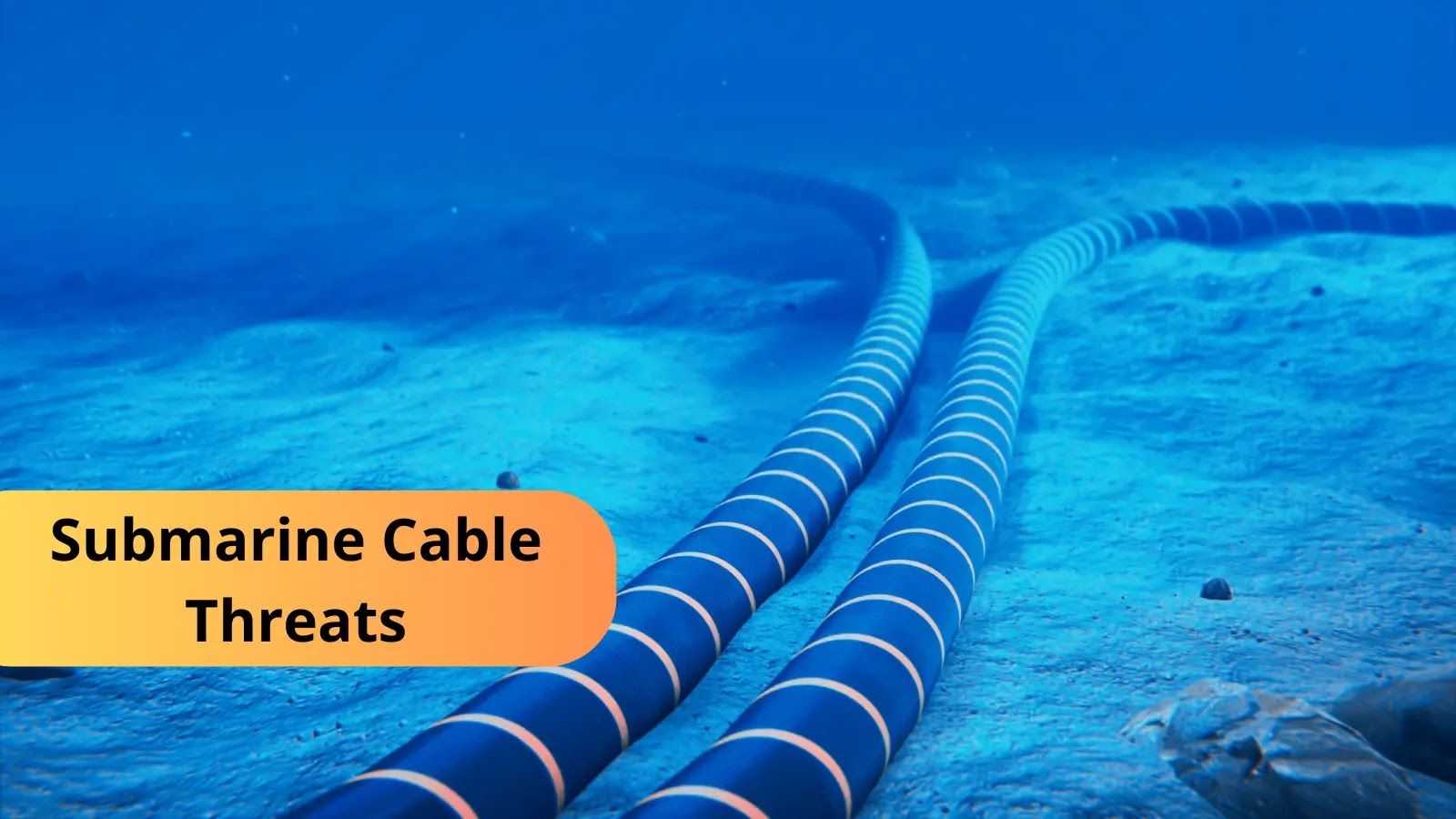
Submarine cables, which are laid on the ocean floor, have been essential for international communication since the 19th century. These cables, made up of fiber-optic strands, are efficient, reliable, and cost-effective compared to satellite-based alternatives. However, as the demand for data transmission continues to grow, there are concerns about the cybersecurity risks associated with the expansion of submarine cable networks.
A recent report by Recordfuture highlights the efforts of Chinese state-owned enterprises to increase their share in the global submarine cable network. China’s ownership and operation of submarine cables around the world give them more control and influence over the deployment of these cables in specific locations. This raises concerns about potential espionage and sabotage activities by state-sponsored organizations.
While most submarine cable faults are caused by physical damage, such as accidental cuts by fishing boats, deliberate attacks by state-sponsored actors present a more significant risk. These actors have the resources and motives to engage in espionage and sabotage of submarine cable networks. To mitigate these risks, owners of submarine cables are utilizing network management tools to efficiently manage their infrastructure.
However, these network management tools, connected to the internet, are vulnerable to targeted cyber attacks. State-sponsored adversaries, ransomware groups, hacktivists, and other cyber threat actors can exploit these vulnerabilities. In fact, an attempted cyber attack against a submarine cable operating system in Hawaii was foiled in April 2022, highlighting the real-world risks associated with these networks.
According to a prediction by Record Future, there is a high likelihood of espionage activities targeting the entire submarine cable system, including landing station infrastructure, submarine cables themselves, third-party providers, and the hardware and software connecting them. This emphasizes the importance of remaining vigilant and implementing necessary precautions to prevent unauthorized access and data breaches.
It’s not only state-sponsored actors that pose a risk to submarine cable networks. Non-state actors, such as hacktivists and ransomware gangs, can also target these networks and operating systems. The increasing reliance on digital communication and data transmission makes submarine cables an attractive target for those seeking to disrupt or exploit critical infrastructure.
To combat these risks, it is crucial to invest in robust cybersecurity measures. This includes implementing AI-based email security measures to protect against phishing attacks and other email-borne threats. By being proactive in identifying and addressing potential vulnerabilities, submarine cable operators and network managers can safeguard the integrity and security of these critical communication channels.
As the world becomes more interconnected and reliant on digital communication, ensuring the security of submarine cables is paramount. The expansion of these networks creates new opportunities for economic growth and global connectivity, but it also brings new challenges in terms of cybersecurity. By acknowledging these risks and taking proactive measures, stakeholders can work together to protect the integrity and security of submarine cables, ensuring the continued flow of data and communication across borders.