


Cybercrime,
Fraud Management & Cybercrime
FBI Vows to Dismantle Hacking Group After It Stole FBI Personnel Data
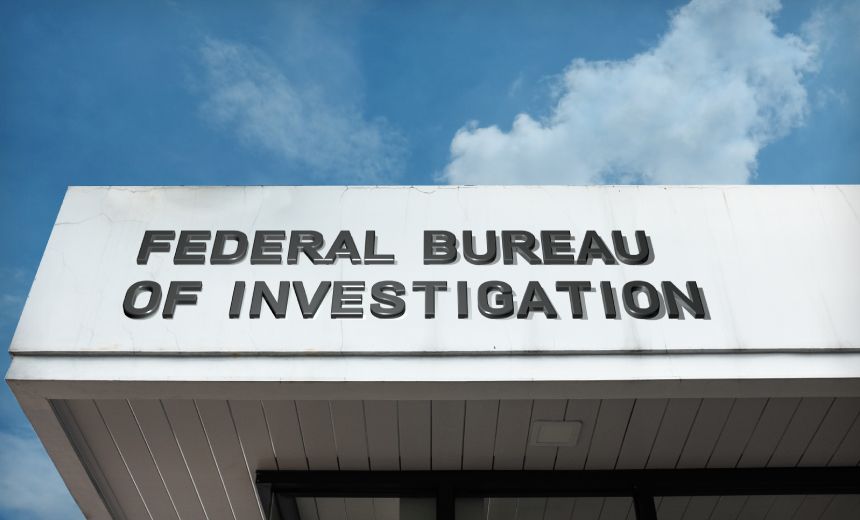
The Federal Bureau of Investigation (FBI) recently announced the capture of a suspected hacker, linking him to a breach of the bureau’s human resources system. This arrest constitutes the third apprehension connected to the notorious ShinyHunters extortion group within a brief timeframe. The FBI’s proactive measures highlight an intensified effort to combat cybercrime and secure sensitive governmental data.
This suspect was arrested in Pennsylvania and has been identified as a Canadian citizen, according to reports by reputable sources such as the New York Times. In a statement, FBI Director Kash Patel emphasized the urgency and determination of the bureau’s efforts, noting, “This is the latest arrest that the FBI has made in a matter of days involving this network, as we work non-stop to dismantle the group, pursue new leads and evidence, and act quickly.” His message underscores the extensive collaboration that FBI officials maintain with various partners to thwart the ongoing threat posed by cybercriminals, asserting their commitment to disrupt ShinyHunters and its affiliates regardless of their operational location.
Furthermore, law enforcement authorities in Jordan recently detained a 16-year-old individual, Saif al-Din Khader, who allegedly operated under the aliases “Rey” and “ReyXB.” According to reports by Reuters, this arrest adds to the increasing pressure on the ShinyHunters network. In another significant development last month, Dutch police apprehended a 24-year-old national, known by the alias “Umbreon.” This individual has been implicated in orchestrating numerous breaches, including those involving major platforms such as Pornhub and TicketMaster. His arrest, identified by cybersecurity journalist Brian Krebs, occurred just before ShinyHunters claimed responsibility for the theft of data pertaining to FBI employees and job applicants.
The ShinyHunters group had previously broken into FBI systems, acquiring extensive personnel data, including sensitive information regarding approximately 5,000 agents. They claimed to have extracted over 2 terabytes of information by exploiting a zero-day vulnerability in the FBI’s Oracle PeopleSoft software and subsequently accessing its Amazon Web Services GovCloud environment. Such bold claims were publicized in reports, significantly raising concerns around the agency’s cybersecurity measures.
In reaction to these breaches, the FBI took decisive action by removing a contractor from Accenture, a major consulting firm hired to assist with IT responsibilities. The FBI concluded that this contractor had failed to implement necessary updates to a system that the cybercriminals exploited. According to Brett Leatherman, Chief of the FBI Cyber Division, the contractor neglected to apply a security patch that had been explicitly issued to protect the platform from such risks.
Despite the arrests made by law enforcement, ShinyHunters remains a formidable entity in the digital extortion landscape. As highlighted by cybersecurity firm Sekoi, the group transcends the traditional notion of a fixed gang— it operates more as a financially-driven brand focused on data theft and extortion. Since its emergence in 2020, the group has managed to persist despite changing members and multiple law enforcement efforts to curb its activities. The name “ShinyHunters” is derived from Pokémon terminology, where dedicated players seek rare color variants of the characters.
The group’s audacity is reflected in their selection of high-profile targets. For instance, earlier this year, they leaked sensitive information from the Florida Department of Motor Vehicles, specifically using the driver’s license of convicted sex offender Jeffrey Epstein as collateral. Other victims include prominent entities such as Instructure’s e-learning platform Canvas, dental and vision benefits administrator DentaQuest, and Amazon-owned healthcare provider One Medical.