
Analyzing a Cybersecurity Threat: The Trojanized Terraform Provider Campaign of July 2026
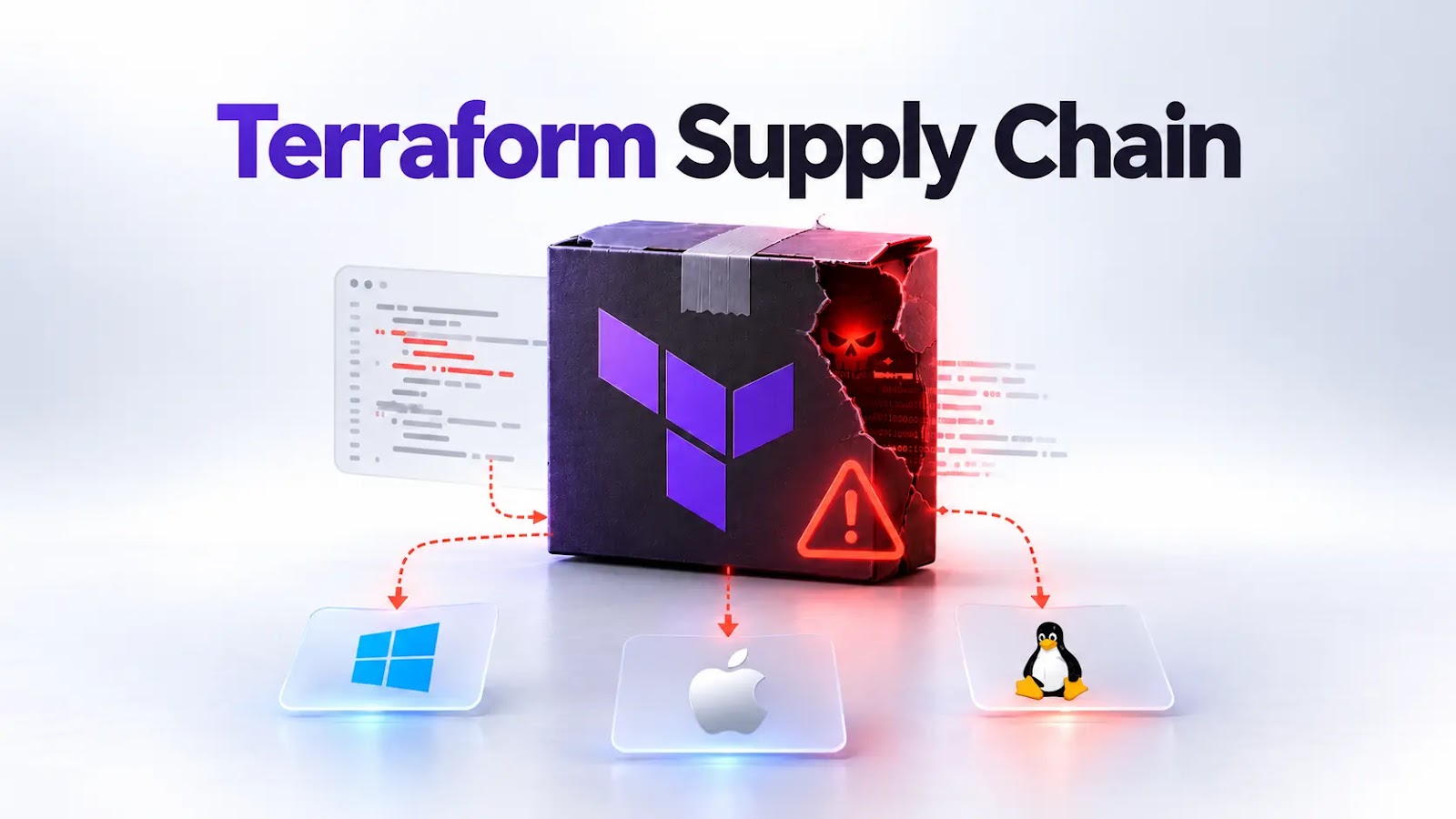
In July 2026, cybersecurity researchers identified a sophisticated campaign that employed a trojanized Terraform provider to unleash cross-platform malware targeting developer environments. This operation primarily focuses on deploying two separate payloads: FLATROOF and ROOFDECK. Initially, FLATROOF is utilized for credential theft, facilitating the attackers’ entry into targeted systems, while ROOFDECK offers enhanced remote control capabilities once access is attained.
While there is considerable overlap with the operations of the TraderTraitor group—a known North Korean state-sponsored actor linked with various designations, including Jade Sleet, UNC4899, and Slow Pisces—attribution of this attack remains tentative. ThreatLabz, a cybersecurity research division of Zscaler, analyzed the attack and noted commonalities in targeting, tools, and tactics that could hint at TraderTraitor’s involvement. However, they admitted that definitive coding matches or cryptographic evidence were absent, leading to a lack of high-confidence attribution.
The delivery mechanism employed for deploying the analyzed Terraform provider continues to pose unanswered questions. The malware disguises itself as the Go binary terraform-provider-awsbeta_v1.0.0, mimicking a legitimate AWS Terraform provider. However, it secretly maintains functional scaffolding to facilitate its malicious activities. Attackers implemented a harmful awsbeta package, which when invoked directly from the provider’s main, activates execution in sync with Terraform’s initiation of the plugin.
Upon execution, the implants first search for a file named session.lock in the temporary directory. Following this check, they download a Bash loader from hashicorp-terraform[.]io and rename the script to safari_updater. The script is granted execution permissions and initiated as a detached process. Additionally, a marker is created to ensure that the malicious script is not executed multiple times, allowing normal provider operations to proceed without raising alarms for the user.
This furtive loader identifies the system’s operating system and processor architecture before selecting an encrypted payload disguised under the guise of a .woff font file. Such a technique showcases the attackers’ efforts to maintain stealth during the delivery of their payload.
Zscaler ThreatLabz has also identified that the campaign employs various file handling tactics depending on the operating system. In Linux, macOS, and Windows environments, specific filename themes were noted that included NotoSansCJK, HiraginoSans, and MalgunGothic respectively. On Windows systems, successful execution of the payload necessitates a compatible Unix-like shell environment.
Within the campaign, the backdoor FLATROOF utilizes robust encryption methods for its operations. It decrypts its configuration using PBKDF2-HMAC-SHA256 paired with AES-256-GCM algorithms. Communication channels, such as Telegram and GitHub API polling, are built into the malware to facilitate command-and-control functionalities, although the actual implementation may vary depending on individual malware samples.
Persistence mechanisms differ across various operating systems: for Linux, they involve setting up services; in macOS, they employ shell logout processes; while on Windows, strategies are detailed within the registry’s Run values. Compromise of developer environments is particularly concerning because embedded Python scripts are fashioned to harvest data including browser databases, saved credentials, application inventories, and even host network information.
Additionally, the malware catalogues platform-specific data, targeting different credential storage systems across operating systems, including the Windows Credential Manager, macOS’s login.keychain-db, and Linux keyrings. Notably, certain variants are tailored to extract sensitive information from popular cryptocurrency wallet extensions.
The ROOFDECK component resolves the command-and-control (C2) address using various means such as local configuration files, a signed and encrypted Pastebin location, or even metadata associated with Nostr profiles. RSA signature verification for server addresses further complicates any unauthorized replacements, ensuring reliability in the communication channels established between the malware and its operators.
The implications of this malware campaign extend to significant cybersecurity incidents, paralleling prior attacks such as the KelpDAO breach, which led to a staggering $292 million theft while also involving similar methods of compromising developers’ systems.
Cybersecurity experts from various organizations advocate stringent measures to counteract such threats. Recommendations include limiting the use of untrusted Terraform providers, actively verifying checksums against established sources, inspecting lockfiles, and closely monitoring any unexpected processes spawned by providers. Furthermore, SentinelLabs suggests scrutinizing unfamiliar registries and keeping external tasks distinctly separate from corporate systems—especially in cases where engineers possess vital access credentials.
In summary, the Trojanized Terraform provider campaign exemplifies the evolving sophistication of cyber threats, compelling organizations to remain vigilant and proactive in their cybersecurity measures in order to mitigate potential impacts before they can fully transpire.