
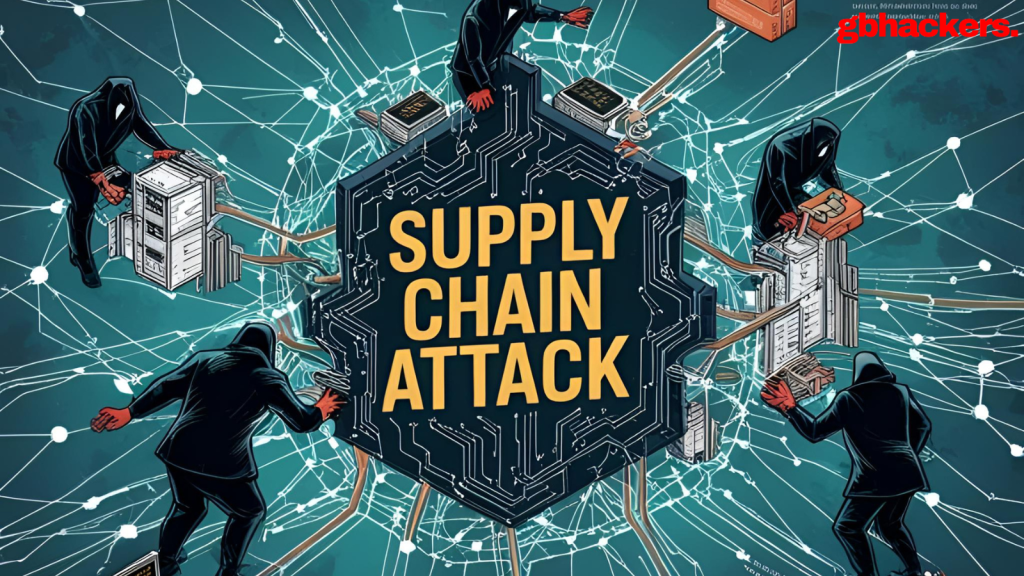
In a concerning development for cybersecurity, a fresh cybercrime initiative has emerged, pivoting supply chain attacks into a competitive arena. Organized by TeamPCP and operators from BreachForums, this new project features a $1,000 contest aimed at enticing hackers to compromise open-source packages. The initiative has been spotlighted by Dark Web Informer, indicating a troubling shift toward gamification in cybercrime, designed to attract more participants and elevate the intensity of these malicious attacks.
At the core of the contest is the requirement for participants to utilize a tool called “Shai-Hulud” to breach open-source packages. Contestants must submit proof of their access alongside their identification from the forum. In return for their efforts, they stand to gain $1,000 in Monero—a cryptocurrency known for its anonymity—along with reputation points that could enhance their status within the underground cybercrime community.
The competitive nature of this initiative is underscored by its scoring system, which fashions a leaderboard driven by the download counts of the compromised packages. As such, the contest amplifies the value of widely used packages; each compromise contributes to a higher score, incentivizing hack attempts on popular software. Since weekly and monthly metrics will determine participants’ rankings, attackers are encouraged not only to focus on high-profile targets but to compromise as many packages as possible across a variety of ecosystems. This sprawling approach effectively promotes indiscriminate infections, instead of calculated strikes aimed at well-protected assets, a trend that could lead to widespread and chaotic malware distribution.
Security experts have noted that the gamified nature of this contest resembles a ‘worm-like’ behavior, where malicious code spreads quickly through multiple entry points, thereby maximizing potential damage. While the financial reward of $1,000 may seem modest when juxtaposed against the greater risks associated with supply chain breaches, the implications of successful attacks can be severe. Such compromises can reveal critical elements, including:
– CI/CD pipeline secrets
– Cloud credentials
– Maintainer tokens
– Source code repositories
– Enterprise environments
Access to these resources often translates into value far exceeding the contest’s financial incentive, especially if the compromised data is sold to ransomware groups or access brokers. Analysts believe that the contest may serve a purpose beyond mere profit; it could be aimed at recruitment and visibility within the cybercrime landscape.
The leaderboard and recognition factor created by TeamPCP allows lower-tier or inexperienced hackers an avenue to gain status while trading valuable access. This development raises alarms, particularly since TeamPCP has made the Shai-Hulud malware publicly accessible. Hosted on the BreachForums infrastructure, traces of it have even been reported on GitHub prior to its removal, further broadening the pool of potential participants, regardless of their technical acumen.
Known for its focus on critical developer infrastructure, TeamPCP has previously engaged in attacking platforms such as npm, PyPI, GitHub Actions, Docker images, and various OpenVSX extensions. Their tactics center on infiltrating trusted tools, thereby extracting credentials that facilitate subsequent attacks on enterprise systems. The contagious competitive environment fostered by this contest poses a dire threat not only to individual organizations but also to the broader cybersecurity ecosystem.
Previous campaigns linked to TeamPCP have negatively impacted sectors like AI development, manufacturing, financial services, and even government cloud platforms. With overlapping claims involving other notorious groups like Vect, ShinyHunters, and Lapsus$, understanding attribution becomes increasingly difficult despite similar origins in supply chain breaches.
While the $1,000 prize may not lure the most skilled cybercriminals, it could significantly enhance the risk posed by less experienced operators seeking quick gains. The introduction of a public incentive structure exacerbates the situation and is likely to entice more reckless behavior across open-source environments. As the landscapes of technology and cyber threats evolve, this contest complicates the already pressing challenges faced by security teams and project maintainers grappling with ongoing supply chain threats.
By transforming malicious attacks into a competitive game, TeamPCP is not only exploiting existing vulnerabilities but is also expanding the recruitment pool of attackers targeting the crucial software supply chain. As the cybersecurity community watches closely, this new threat landscape necessitates renewed vigilance and proactive strategies to mitigate the risk posed by such contests and the individuals they attract.