
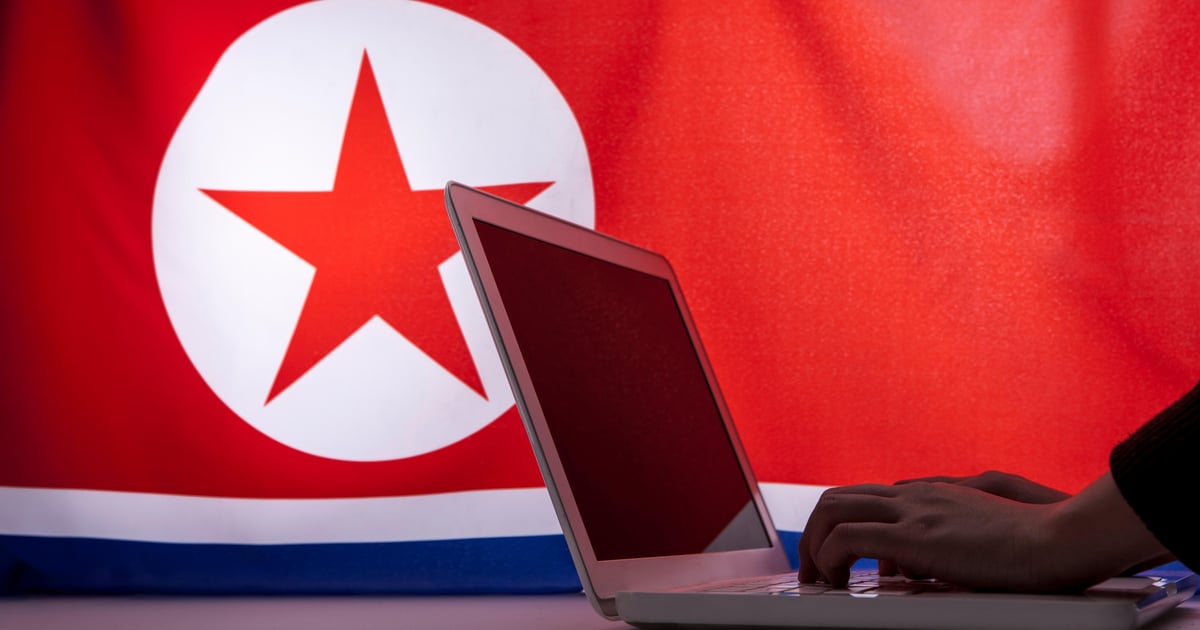
The case involving the involvement of a Tennessee resident in aiding North Koreans to secure IT jobs in US companies under false pretenses has been making headlines. Matthew Isaac Knoot, a 38-year-old individual from Tennessee, was charged by the US Department of Justice (DoJ) for his role in facilitating remote work fraud schemes for North Korean and Chinese individuals.
The FBI raided Knoot’s “laptop farms” located in Nashville in August 2023, where North Korean and Chinese individuals overseas could connect to corporate networks in the US and UK through his laptops. The money earned through these fraudulent activities was then funneled back to North Korea to support leader Kim Jong-Un’s nuclear weapons programs. Knoot faced charges including conspiracy to cause damage to protected computers, conspiracy to launder monetary instruments, and conspiracy to commit wire fraud, among others, each carrying a maximum penalty of 20 years in prison.
The operations conducted by the North Korean government agents have been growing more sophisticated over the years. Since the onset of the COVID-19 pandemic, the Kim regime saw an opportunity to infiltrate the US job market by sending individuals to work remotely and funnel their earnings back to North Korea. The individuals involved in these schemes have been able to secure higher-level roles in companies, enabling them to access valuable data for exploitation.
The DoJ has observed such cases across various industries, including finance, media, technology, cybersecurity, and more. Even small businesses have not been spared, with reports of North Korean individuals being hired in various companies, unbeknownst to the employers. The involvement of US citizens, acting as intermediaries, has played a crucial role in facilitating these fraudulent activities, enabling North Korean agents to access corporate networks within the US.
Agents working through Knoot’s farm adopted the persona of a real US citizen named “Andrew M,” who would assist in securing jobs for North Korean individuals overseas. Once employed, the North Koreans would use remote desktop applications installed by Knoot to connect to company networks and carry out their job responsibilities, earning substantial salaries in the process. Knoot, in return, received a monthly fee from a handler known as Yang Di.
This case mirrors a larger operation revealed earlier in May, involving multiple foreign nationals and earning millions of dollars from numerous companies. To identify potential North Korean workers, companies are advised to look out for certain red flags, such as reluctance to appear on camera, discrepancies in references and contact information, and signs of a stale or inauthentic online presence.
In conclusion, the intricate schemes orchestrated by North Korean agents to infiltrate US companies and secure remote IT jobs highlights the need for heightened vigilance and stringent hiring practices to prevent such fraudulent activities in the future. Authorities continue to investigate and crack down on individuals involved in these unlawful schemes to safeguard the integrity of US businesses and national security.