
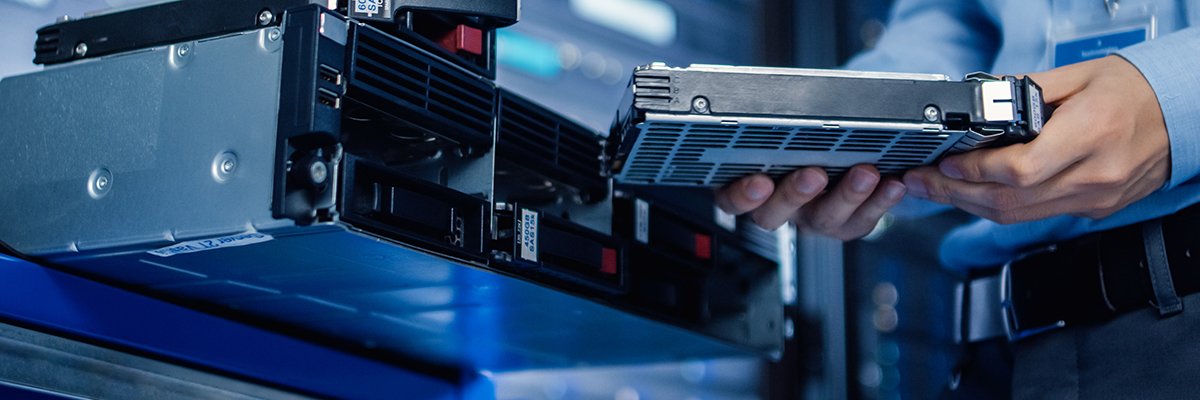


HDDs, or hard disk drives, are crucial components in storing data for both personal and business use. These devices are intricate in their design, with multiple moving parts that, if disrupted, can lead to a complete failure of the HDD, resulting in permanent data loss. This is why it is essential for IT teams to understand the various factors that can cause HDD failure and take necessary steps to mitigate these risks.
The causes of HDD failure are generally categorized into four main groups: destructive external forces, internal mechanical failure, underlying logical issues, and faulty firmware. While these categories may overlap at times, they help explain the potential risks that HDDs face.
External forces can pose a significant threat to HDDs. These devices may seem sturdy due to their hard metal encasing, but they are sensitive to mishandling. Environmental factors, such as high temperatures, natural disasters, excessive vibration, and electrical disturbances, can also contribute to HDD failure. IT teams can mitigate these risks by establishing proper handling procedures, maintaining optimal temperature and humidity levels, and ensuring clean and well-ventilated storage locations.
Internal mechanical failures are another common cause of HDD breakdown. Issues such as head crashes, stiction, wear and tear, motor failures, PCB malfunctions, and bad sectors can all lead to data loss and drive failure. Monitoring for signs like corrupt data, frequent errors, unusual noises, and physical damage can help identify potential mechanical issues early on, allowing for timely replacement of aging HDDs.
Logical issues rooted in software or data can also contribute to HDD failure. Malware, user errors, and corrupted data can disrupt the functioning of an HDD, leading to operational issues and potential hardware damage. Regular training for IT staff, running antimalware software, implementing security measures, and performing routine maintenance can help safeguard against logical failures.
Faulty firmware is another potential cause of HDD failure, often due to manufacturing defects, malware attacks, improper shutdowns, or power interruptions. Recognizing signs of firmware problems, such as system freezes, boot failures, and undetectable drives, can help diagnose these issues. Admins should ensure a reliable power supply, protect against malware, and seek warranty support or data recovery services if faulty firmware is suspected.
Overall, understanding the various factors that contribute to HDD failure and taking proactive measures to mitigate these risks are essential for maintaining data integrity and system reliability. By incorporating best practices for handling, monitoring, and protecting HDDs, IT teams can minimize the chances of catastrophic data loss and ensure the continued functionality of their storage systems.