
The Future of Identity Security: Navigating AI, Trust, and Risk
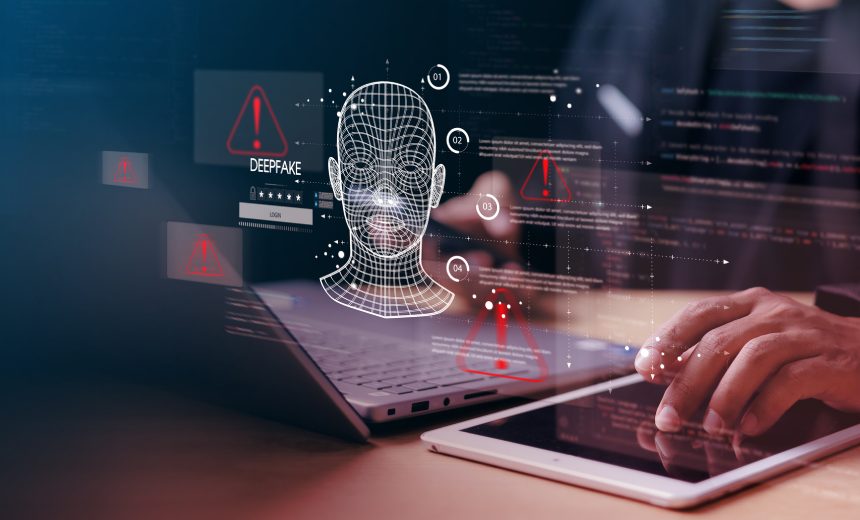
In the evolving landscape of cybersecurity, the integration of artificial intelligence (AI) is redefining digital innovation while simultaneously escalating cyber risks. The emergence of AI-based threats—ranging from sophisticated phishing schemes and deepfake impersonations to synthetic identities and autonomous attacks—demands a fundamental reevaluation of traditional identity security methods. As these attacks become increasingly complex, it is clear that organizations must shift their strategies to prioritize continuous trust across every digital interaction.
In light of these pressing concerns, Dr. Torsten George, a prominent Cybersecurity Evangelist at ID Dataweb, is set to lead an insightful webinar dedicated to exploring the transformative impact of AI on identity security. The discussion aims to equip cybersecurity leaders with the necessary knowledge and tools to stay ahead of emerging threats in this rapidly changing environment.
Growing Threats in Cybersecurity
Today, the landscape of cybercrime is unlike anything seen before, driven significantly by advancements in AI technology. Phishing attacks powered by AI have become increasingly deceptive, leveraging deepfake technology to create convincing impersonations that easily trick unsuspecting users. Additionally, the rise of synthetic identities complicates the challenge for organizations working to safeguard their assets and customer data. These AI-driven tactics make traditional methods of identity verification—though still valuable—insufficient in the face of modern threats.
As these conversations unfold in the upcoming webinar, participants will dive deep into the ways AI is transforming both the attack landscape and the methods of defense. Understanding this duality is crucial for any organization aiming to establish and maintain digital trust in an era marked by technological sophistication and increasing risk.
The Next Frontier: Continuous Identity Trust
One of the central themes of Dr. George’s presentation will center on the concept of continuous identity trust. In today’s environment, authentication and identity verification systems, while necessary, can no longer function as standalone mechanisms capable of thwarting modern identity-based attacks. Instead, organizations must adopt a holistic approach that emphasizes vigilance, adaptability, and proactivity.
By prioritizing continuous identity trust, organizations can better detect risks before identity fraud or account compromise occurs. This proactive stance not only serves to protect sensitive information but also builds a more robust framework for trust that can adapt to the complexities of the AI-driven landscape.
Strategic and Architectural Advancements
The webinar will also address the strategic and architectural changes that security leaders should initiate today to brace for the next generation of AI-driven identity threats. As threats evolve, the frameworks surrounding cybersecurity must also adapt, integrating advanced technologies and strategies that foster resilience and agility.
Participants will learn about the importance of revisiting their cybersecurity architectures to ensure they are not only reactive but also preemptive in combating potential attacks. Leaders will be encouraged to consider advanced analytics and machine learning techniques that help detect and mitigate threats in real time.
Conclusion
As organizations grapple with the challenges posed by AI-driven threats, staying informed and agile will be essential for sustaining a secure digital environment. The insights shared by Dr. Torsten George during this webinar promise to shed light on the profound implications of AI technology for identity security and encourage practical strategies to combat the evolving threat landscape.
In a world where trust can be fleeting and the risks ever-present, organizations that leverage the insights gained from such discussions will be better positioned to not only protect their assets but also enhance their reputations in an era heavily influenced by digital interactions. As the future unfolds, the focus on continuous identity trust will undoubtedly become crucial for any organization aiming to thrive in the digital domain. This critical discourse emphasizes the imperative need for adaptation and foresight in ensuring a secure and trustworthy digital realm.