
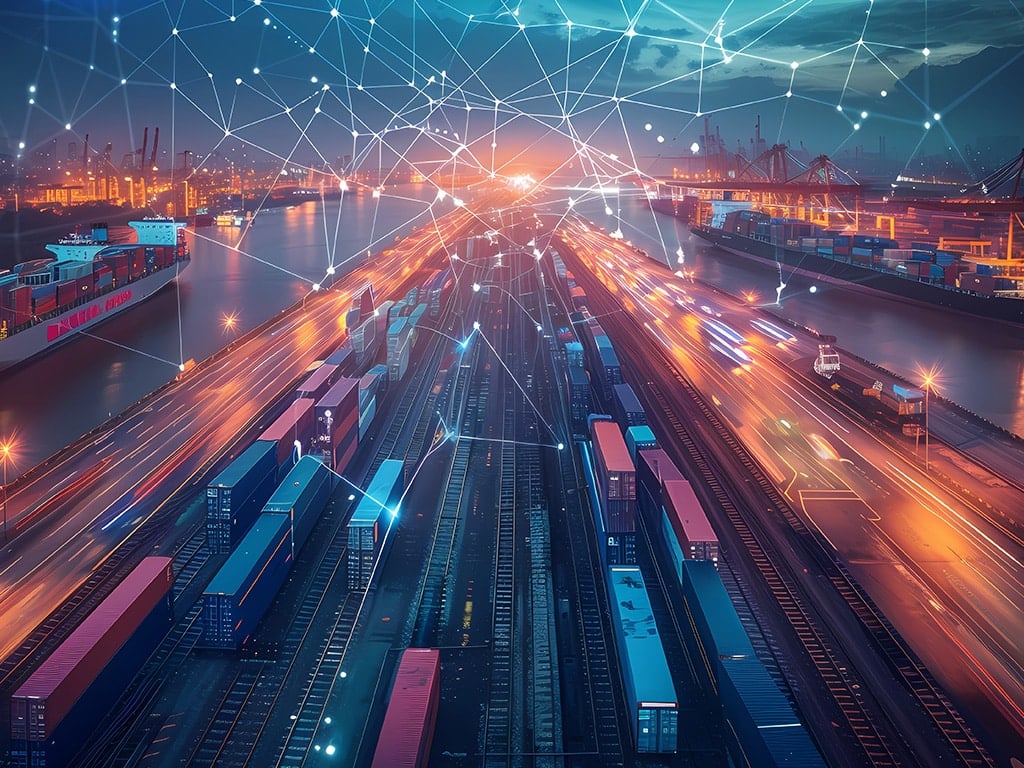
The rail transportation industry is rapidly evolving, with digital technologies playing a key role in enhancing efficiency, safety, and operational capabilities. However, this evolution also brings about a new set of challenges, particularly in the realm of cybersecurity. The use of sensors, interconnected systems, and real-time monitoring has made rail networks vulnerable to cyber attacks. As a response to this growing threat, the Transportation Security Administration (TSA) issued a cybersecurity security directive in October 2022 for both passenger and freight railroad carriers to bolster their cybersecurity resilience.
In light of the directive, railroad carriers are now required to conduct regular cybersecurity vulnerability assessments to identify risks to their IT and OT systems and develop a comprehensive plan for remediation. Network segmentation policies and controls are emphasized as a way to keep operational technology systems separate from other IT systems, serving as a crucial safeguard in the event of a breach. Despite these measures, cyber attacks on the rail industry continue to persist, posing threats not only to the smooth operation of rail services but also to passenger and railway worker safety.
Recent incidents such as the cyber attack on the Alaska Railroad Corporation, data breach at the Belt Railway Company of Chicago, and disruption of operations at Norfolk Southern Corporation highlight the vulnerabilities present in rail networks. These incidents have underscored the importance of implementing robust cybersecurity measures across rail transportation systems. The ever-growing complexity of rail networks, reliance on legacy infrastructure, and compliance with regulatory standards all contribute to the challenges faced by the industry in securing their networks.
One of the critical aspects in addressing cybersecurity challenges in rail transportation is network segmentation. By dividing the network into smaller segments and implementing security measures to control traffic flow between them, the scope of cyber attacks can be limited. Different segments can have varied security policies based on their criticality, and systems can be isolated to demonstrate compliance with standards. This approach not only enhances security but also allows for more granular control of security policies within the network.
To confront the cybersecurity challenges posed by the evolving rail industry, a holistic approach is required. This approach involves investments in modernizing infrastructure, adherence to regulatory frameworks, and fostering a cybersecurity-conscious workforce. By combining technology upgrades, regulatory compliance, and cybersecurity culture, the rail industry can ensure the safety and security of passengers and critical transportation assets. It is through a proactive and comprehensive strategy that the rail industry can effectively mitigate cybersecurity risks and safeguard its operations.
Robin Berthier, Co-Founder and CEO of Network Perception, underscores the importance of cybersecurity compliance in rail transportation and the challenges associated with keeping rail networks secure. With over 15 years of experience in network security technologies, Berthier emphasizes the need for a comprehensive and proactive strategy to address cybersecurity challenges in the rail industry. By staying abreast of cybersecurity regulations, investing in modern infrastructure, and fostering a cybersecurity-aware workforce, the industry can navigate the complexities of securing rail networks in an increasingly digital landscape.