
The way in which we work, socialize, and consume information has undergone drastic changes in recent years. These changes have been driven by a combination of global events and advancements in technology. As a result, our ability to understand, publish, and consume information has been completely transformed.
One significant change that has occurred is the rise of remote work. Coupled with the growing adoption of cloud-based technology, remote work has led to heightened expectations for accessibility, speed, and security in both internal and external services. However, this presents a challenge when it comes to securing sensitive information that is stored in various locations, including datacentres, SaaS services like Microsoft 365, and personal devices.
Securing users from the endpoint through to the application itself has become a critical focus in protecting information, detecting data exfiltration, shadow IT, and maintaining network and endpoint health. This often requires organizations to retrofit controls, tools, and policies into systems of varying ages and capabilities, resulting in a disjointed approach. This approach often leads to the deployment of multiple point tools that lack integration, creating additional challenges for organizations.
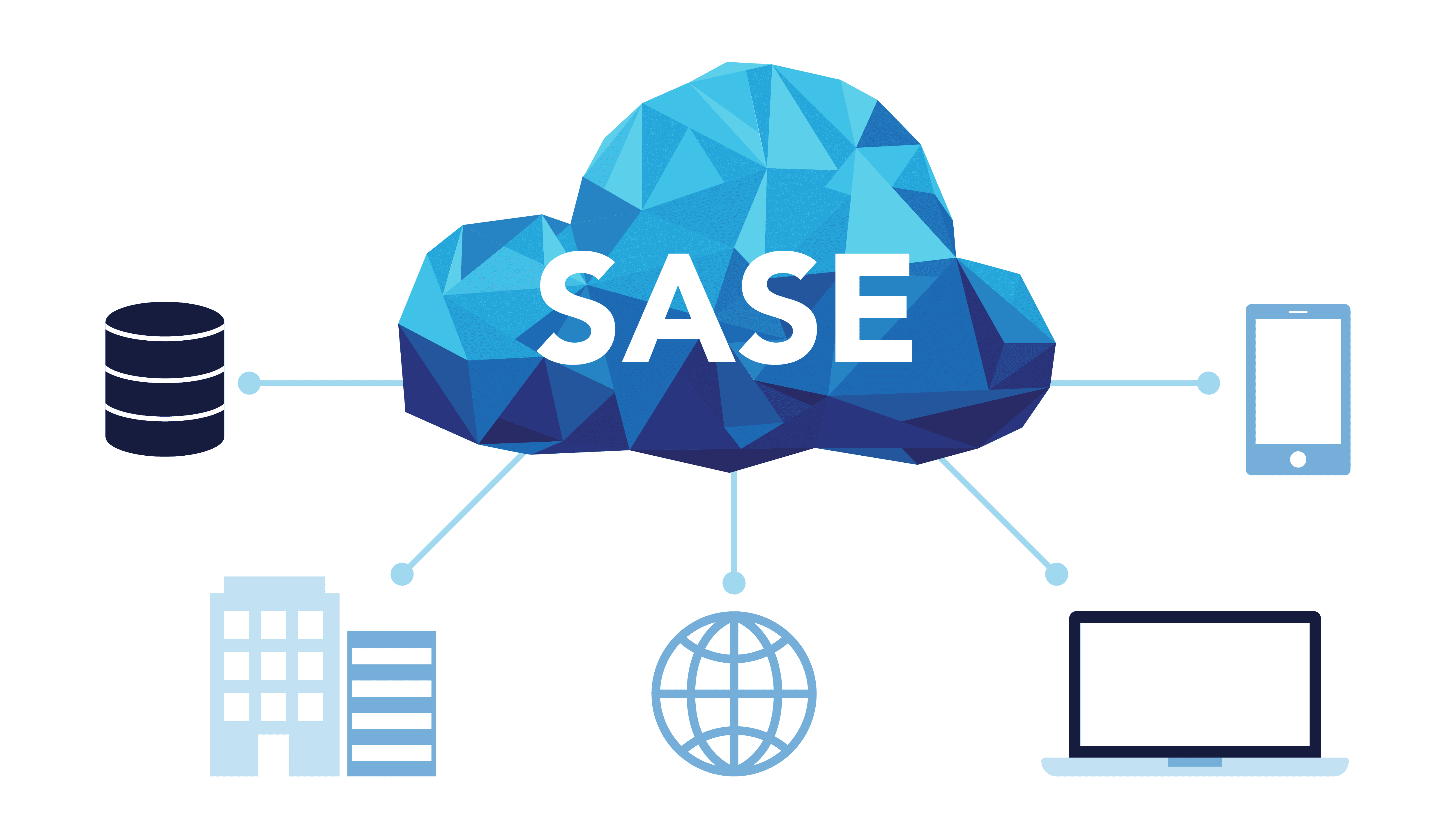
To address these challenges, some organizations are adopting a centralized security and network platform known as Secure Access Service Edge (SASE). SASE is a cloud-delivered, centrally managed security solution that incorporates network-level capabilities within a Software Defined Wide Area Network (SD-WAN). Industry analysts like Gartner and Forrester have provided analysis and identified key players in the SD-WAN and SASE space.
A SASE architecture has the potential to provide organizations with flexibility, scalability, security, and optimal user experience. This integrated approach serves as a strong foundation for the adoption of granular Zero-Trust Access (ZTA) controls to protect an organization’s data and that of their customers.
Implementing a SASE architecture effectively requires a deep understanding of network, security, and end-user requirements. This typically involves engaging multiple teams within the organization to clearly define requirements and to gain an understanding of what areas of support are needed. By addressing these considerations early on, organizations can establish a roadmap for the adoption of a single technology that can cater to a variety of use cases, reducing the Total Cost of Ownership (TCO) and utilizing common tools and skills within teams.
Fortinet, a leading cybersecurity firm, has taken a comprehensive approach to SASE with their Universal SASE solutions. This approach aims to extend far beyond existing solutions by providing a single platform that can secure and provide actionable intelligence for networks, endpoints, SaaS services, experience monitoring, IoT/OT equipment, branch switches, and access points. This centralized management ethos, combined with world-class security capabilities from FortiGuard Labs, makes this vision a reality.
For many organizations, transitioning from a traditional siloed network and security ecosystem to a SASE architecture can be a complex process. However, with the guidance of a trusted cybersecurity partner, organizations can successfully navigate this journey and leverage the benefits of flexible security and network solutions.
In conclusion, as the way we work and consume information continues to evolve, organizations must adapt to these changes to ensure the security, accessibility, and speed of their services. Adopting a SASE architecture offers a promising solution, allowing organizations to centralize their security and network management, while also providing the necessary flexibility and scalability. With the right approach and the support of a trusted cybersecurity partner, organizations can successfully transition to a SASE architecture and realize the benefits it offers.