
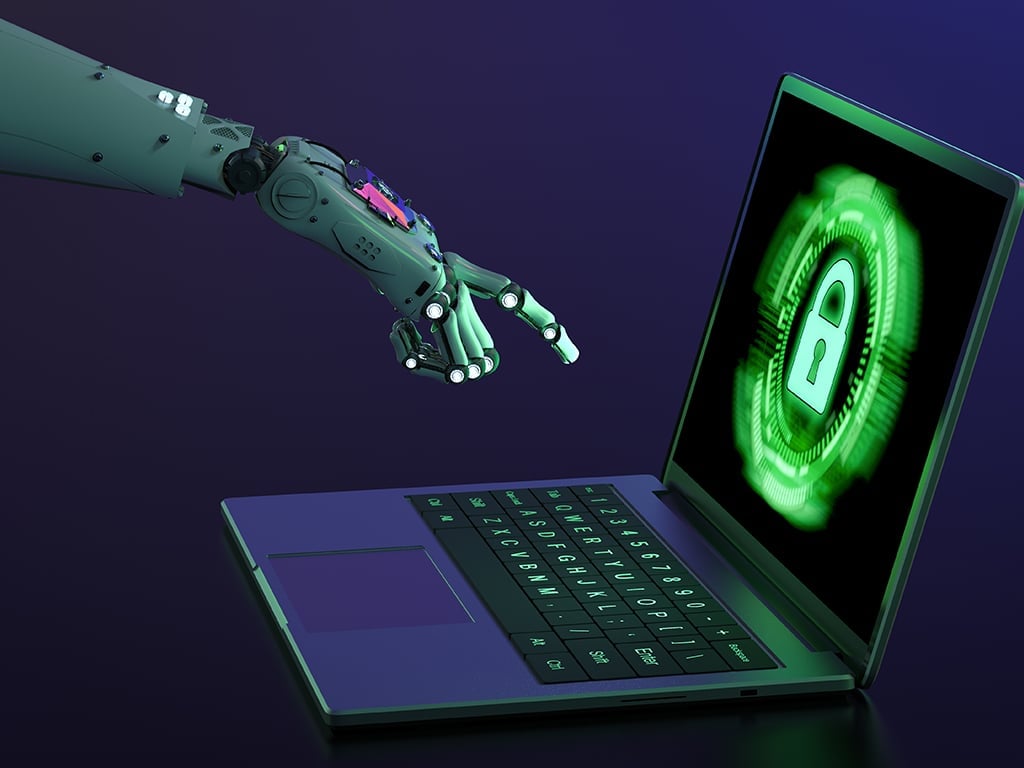
In today’s ever-evolving cybersecurity landscape, the battle between defenders and attackers seems unending. Just as we think we have the upper hand, cybercriminals find new ways to exploit vulnerabilities. However, there is a game-changer in this dynamic field – artificial intelligence (AI). AI is not just about automating processes; it is about making defenses smarter, faster, and more adaptive to the constantly changing threats.
AI in cybersecurity utilizes advanced technologies like machine learning, neural networks, and natural language processing to identify, analyze, and mitigate security threats. Unlike traditional systems, AI-driven tools can learn and adapt over time, making them more effective at detecting patterns that may elude human detection. Machine learning, for example, can sift through vast amounts of data to identify anomalies, while neural networks can analyze complex behaviors to predict and prevent attacks before they happen. Essentially, AI serves as a digital bodyguard, constantly vigilant and ready to respond.
The necessity of AI in cybersecurity is evident due to the sheer volume of data that businesses generate, making it impossible for human teams to analyze everything effectively. Additionally, cybercriminals have become more sophisticated, using advanced tools, including AI, to launch complex attacks. Traditionally, systems often react to threats after the damage has been done, but AI enables proactive detection and prevention. Without AI, keeping up with today’s pace of cyber threats would be akin to trying to empty a sinking boat with a teaspoon.
AI is reshaping cybersecurity across various areas, such as threat detection and monitoring, incident response automation, fraud prevention, securing IoT devices, and network security. AI systems excel at real-time monitoring, analyzing network traffic, and identifying anomalies that indicate potential threats. This enables quicker responses to malware, phishing attempts, and ransomware. In the event of a breach, AI-driven playbooks can automate responses, isolating affected systems and minimizing damage while allowing human teams to focus on strategic decisions. Furthermore, AI’s ability to analyze behavioral patterns is crucial in fraud prevention and securing IoT devices.
Advantages of AI in cybersecurity include proactive threat detection, reduced false positives, scalability, and time-saving automation. However, implementing AI tools comes with its own set of challenges, such as cost and complexity, adversarial AI, bias and accuracy issues, and ethical concerns. Nonetheless, the ongoing arms race between AI and cybercriminals continues, with attackers using AI to create smarter malware, deepfake content, and automate phishing campaigns, while defenders deploy AI to counter these tactics.
Moving forward, emerging trends in AI and cybersecurity include AI-driven Security Operations Centers (SOCs), quantum computing adaptation, and collaborative AI. Practical tips for organizations considering adopting AI in cybersecurity include starting small with scalable tools, providing proper training for teams, regularly updating and auditing AI models, and balancing automation with human oversight.
In conclusion, AI is transforming cybersecurity by offering faster, smarter, and more adaptive solutions. Its effectiveness depends on how it is implemented and used. As cyber threats evolve, our defenses must also evolve, combining AI capabilities with human expertise to create a more secure digital world. Whether you are a tech-savvy business owner or simply interested in the future of cybersecurity, understanding AI’s role in this field is crucial for staying ahead in the ever-changing game. The race is on, and there is no time to sit on the sidelines.