
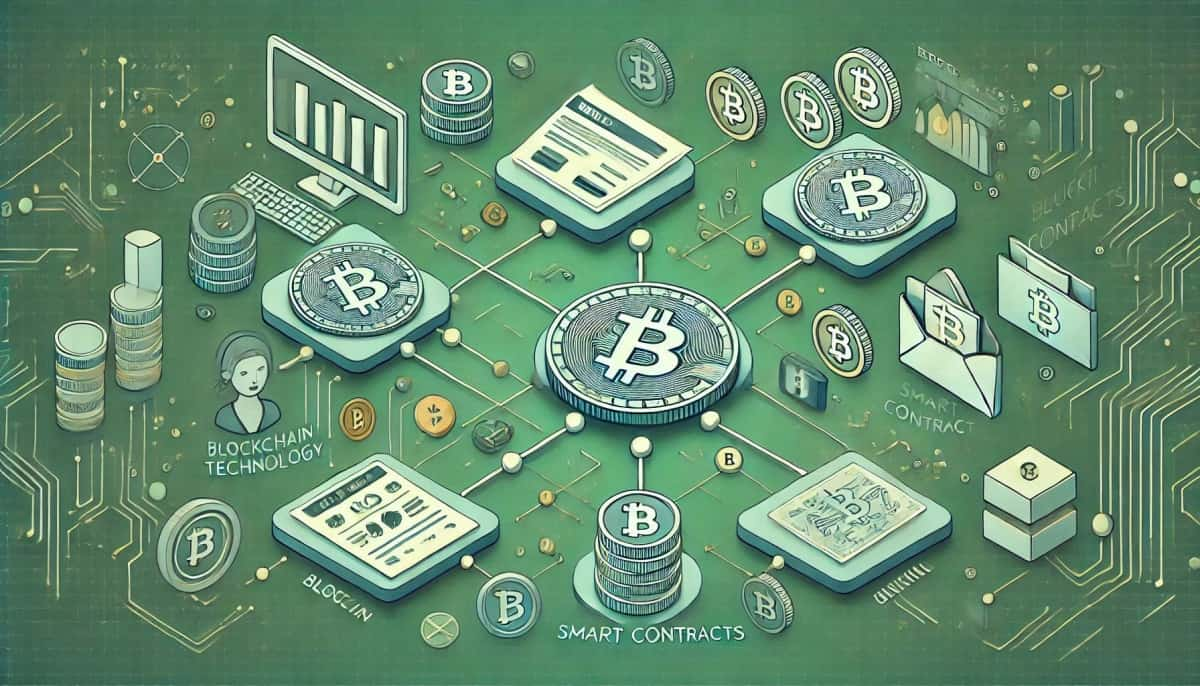


Blockchain technology and smart contracts have emerged as powerful solutions in addressing the growing concerns of data breaches and online fraud in the digital age. By providing transparency, eliminating middlemen, and incorporating fraud-resistant mechanisms, these technologies have revolutionized secure transactions and reshaped financial systems worldwide.
Blockchain serves as the foundation for secure transactions by functioning as a decentralized ledger that records transactions across multiple points in a network. This decentralized nature makes it highly secure and challenging for cybercriminals to compromise or hack. Unlike traditional payment systems that rely on vulnerable central authorities susceptible to breaches and fraud, blockchain distribution of the transaction record reduces the risk of a single point of failure. Additionally, the immutability of blockchain ensures that once a transaction is recorded, it cannot be altered, instilling trust and accountability in the process.
Smart contracts enhance the security of blockchain by automating self-executing agreements based on predetermined criteria written into code. These contracts execute automatically when the established conditions are met, eliminating the need for intermediaries. For instance, in digital service transactions, smart contracts can be programmed to release payment only upon delivery and verification of the service, reducing the risk of fraud and disputes. Moreover, smart contracts streamline processes, saving time and costs associated with manual verification and third-party oversight, making them ideal for industries where trust and efficiency are paramount.
However, despite their advancements, smart contracts have also faced security vulnerabilities that require skilled blockchain developers or specialized auditing teams for resolution. Reports have identified various vulnerabilities in Ethereum smart contracts, leading to substantial financial losses in exploitations targeting these weaknesses. Addressing these vulnerabilities is crucial to strengthening the security of blockchain infrastructure and ensuring its continued reliability.
Real-world applications of blockchain and smart contracts are already underway, with major companies like Microsoft, JPMorgan Chase, Walmart, IBM, and Amazon leveraging these technologies for secure payments and transactions globally. These technologies enable faster and more transparent international transfers, automate escrow services in e-commerce, and enhance security in various industries beyond payments, such as healthcare and product authentication.
For businesses, adopting blockchain and smart contracts offers a competitive edge in security and efficiency amid increasing cybersecurity threats. Consumers benefit from safer and more reliable transactions, ensuring trust and reliability in their dealings. While challenges like regulatory hurdles and technical complexities exist, the benefits of utilizing blockchain and smart contracts are evident. Businesses seeking secure payment systems should consider implementing solutions that harness blockchain and smart contracts to safeguard data and enhance trust in transactions.