
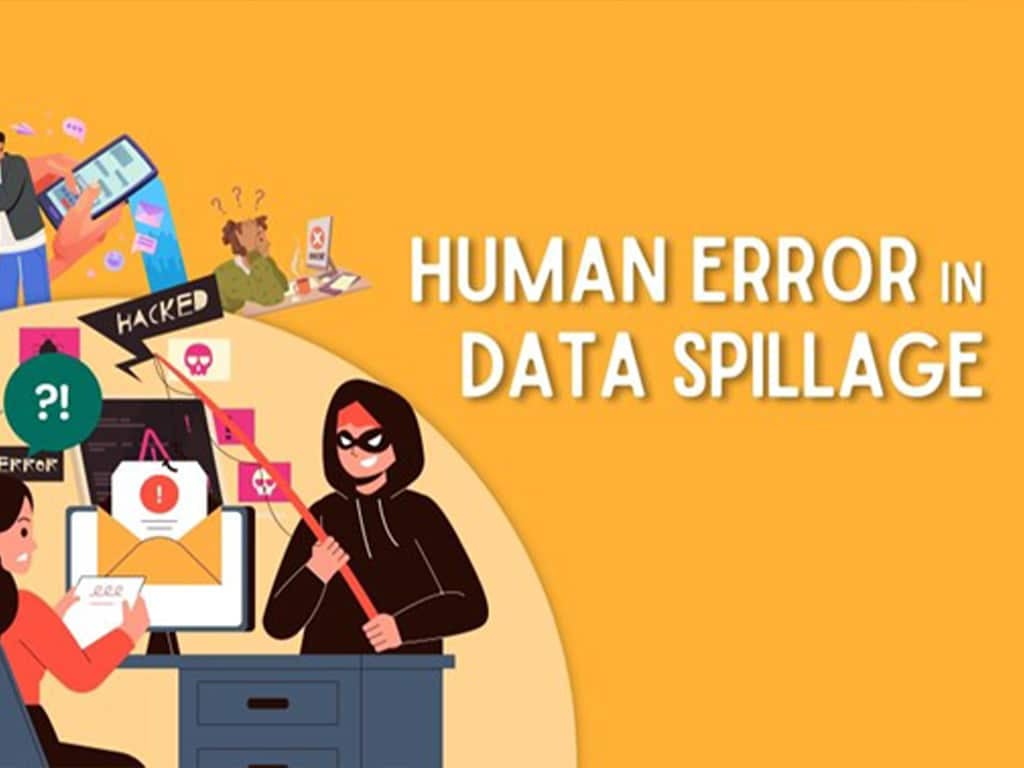
Unraveling Human Factors in Data Breaches
Human error is often cited as the root cause of data breaches, accounting for a significant portion of security incidents. According to a study from CompTIA, the human element contributes to 52% of data breaches. Understanding the role of human error in data spillage incidents is essential for preventing such occurrences in the future. By exploring the types of human errors and implementing mitigation approaches, organizations can enhance their cybersecurity posture and minimize the risk of data breaches.
Data Spillage Incidents
Several high-profile data spillage incidents have shed light on the detrimental impacts of human error in cybersecurity. For example, the Facebook-Cambridge Analytica data spill in 2018 exposed the data of millions of Facebook users due to permissive data privacy policies and inadequate monitoring of third-party developers. The incident led to regulatory investigations and a significant reputational damage for Facebook.
Similarly, the data spillage at the National Security Agency (NSA) in 2013, caused by former contractor Edward Snowden, exposed classified documents and surveillance programs. This incident underscored the importance of strict data safety measures and accountability within organizations.
Lessons learned from these incidents include enhancing data privacy regulations, improving user consent mechanisms, and implementing effective data security measures. By addressing the root causes of human errors, organizations can prevent similar data spillage incidents in the future.
Types of Human Error in Cybersecurity
Various types of human errors can contribute to data breaches in cybersecurity. Weak password management, improper data handling, software vulnerabilities, phishing attacks, and unauthorized data access are common examples of human errors that can lead to data spillage. Addressing these vulnerabilities through training, awareness programs, and technical controls can help mitigate human errors and enhance overall cybersecurity resilience.
Mitigating Human Error in Cybersecurity
Reducing human error in cybersecurity requires a multi-layered approach that addresses behavioral, knowledge, and technological factors. Training employees on cybersecurity best practices, implementing user access controls, utilizing multi-factor authentication, developing incident response plans, and automating security updates are essential strategies for mitigating human errors. By implementing these measures proactively, organizations can enhance their cybersecurity posture and minimize the risk of data breaches.
The Future of Human Error and Data Spillage
As technology continues to evolve, new trends in cybersecurity pose both challenges and opportunities for addressing human error in data spillage incidents. The rise of quantum computing, evolving phishing attacks, and the rapid growth of cybersecurity insurance are significant trends that will influence the future of cybersecurity. Predicted threats such as ransomware attacks, complexities in security systems, and cloud security threats highlight the importance of proactive measures to mitigate human errors in cybersecurity.
Conclusion
While eliminating human error in cybersecurity may be challenging, organizations can take steps to reduce and regulate human errors through proper safety measures and technological solutions. By investing in training, awareness programs, automation, and incident response plans, organizations can minimize the impact of human errors and enhance their overall security structure. Ultimately, by embracing a proactive and futuristic mindset, organizations can create a more secure digital ecosystem that safeguards sensitive data and mitigates the risk of data spillage incidents.