
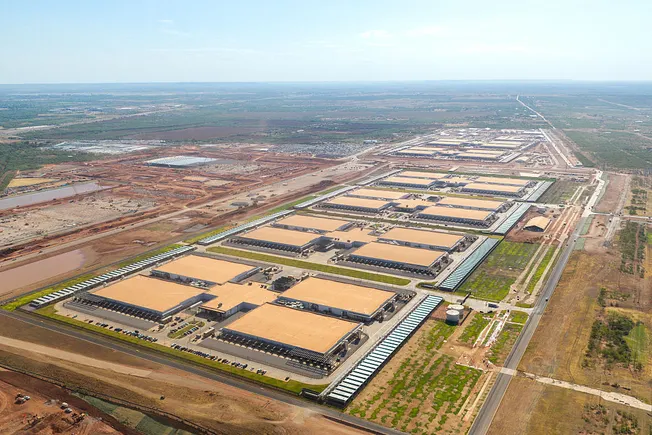


Microsoft Exits Data Center Deal Amid Power Concerns
In a significant development indicative of the ongoing tension between data center expansion and local energy resources, Microsoft has decided to withdraw from a proposed agreement to establish a new data center in England. This decision was primarily swayed by delays in power supply, which underscore the growing challenges that large tech companies face when integrating their ambitious infrastructure projects with existing energy systems. The ramifications of this withdrawal illustrate not only Microsoft’s operational adjustments but also the broader implications for the data center industry, particularly as energy resources become increasingly strained.
Meanwhile, Norway has taken a proactive approach by pausing new reservations for grid capacity intended for data centers. This strategic pause has been undertaken as the country evaluates and develops safeguards to ensure the integrity of its power system. Norway, known for its reliance on renewable energy sources and an existing robust grid structure, recognizes the necessity of balancing energy availability with the burgeoning demand from data centers. The decision to hold off on new reservations signals a cautious yet necessary response to the consequences of unchecked expansion within the sector.
In Texas, a recent pre-election poll revealed a consensus among residents regarding the accountability of data center companies. Nearly all respondents supported the idea that these companies should bear the financial responsibility for the grid enhancements they require. This widespread agreement sheds light on a critical issue: the public’s growing concern about how these large entities impact local utilities and, ultimately, their communities. The data center industry, which has been experiencing rapid growth fueled by the investment in artificial intelligence and other data-intensive technologies, may need to reassess its funding models and partnership strategies with local governments and utility providers.
Further compounding these issues is the acknowledgment from industry builders and their advisers gathered at a recent conference in Las Vegas. Attendees candidly admitted that the data center sector has often overlooked the perspectives and concerns of people living in proximity to proposed data center sites. This oversight has the potential to generate significant backlash from local communities, as these residents are often left to grapple with the environmental and logistical ramifications of such developments. Such admissions demonstrate an essential need for the industry to foster better communication and cooperative efforts with local residents, ensuring that their concerns are heard and addressed in the planning stages of new data facilities.
The implications of these developments span far beyond the immediate decisions made by individual companies or countries, highlighting a broader trend within the technology sector: a more pronounced acknowledgment of the intersection between energy infrastructure and data demands. As the AI-driven data center boom continues to evolve, stakeholders—including government regulators, utility companies, and the tech firms themselves—must navigate an intricate landscape where energy sustainability, local interests, and technological advancements must coexist harmoniously.
This convergence of interests underscores the importance of ongoing collaboration and innovation within the sector. Companies are being called upon not only to invest in their infrastructure but also to commit to sustainable practices that can alleviate some of the pressure on local energy grids. The public’s increasing assertiveness in demanding accountability from these corporations indicates a shift toward a more stakeholder-oriented approach in corporate governance, especially in industries that have historically operated with minimal regard for community feedback.
In summary, the combination of Microsoft’s withdrawal from the England project, Norway’s strategic pause on grid reservations, the unified stance of Texas residents, and the industry acknowledgment of community concerns illustrates a critical juncture in the data center landscape. The industry is at a crossroads, where its future growth will depend increasingly on how well it can integrate sustainable energy practices, respect community sentiments, and foster dialogue with local authorities. As such, this will remain a pivotal issue as the data center sector strives to maintain its exponential growth in an increasingly scrutinous environment. Investors, policymakers, and the public alike will be keeping a close watch on how these dynamics unfold in the coming months.