
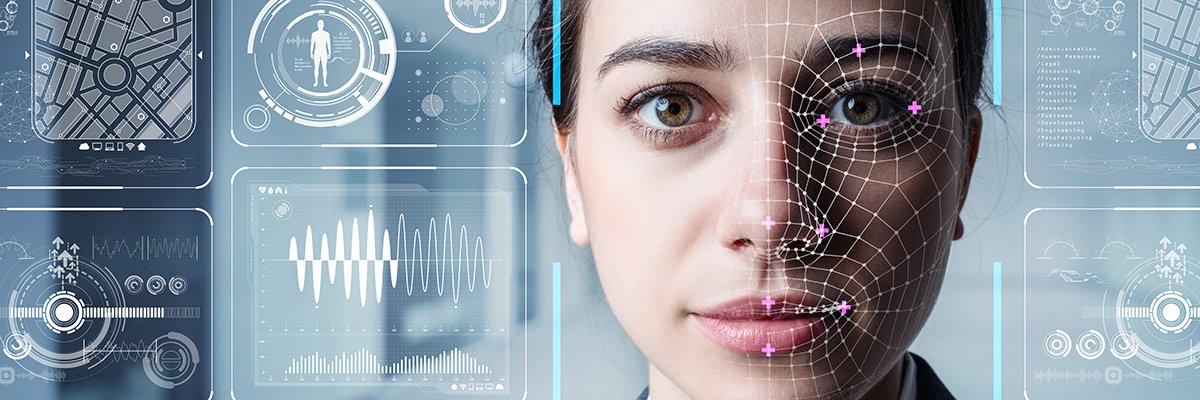


Deepfake technology has become incredibly advanced, blurring the lines between reality and fiction. This technology, driven by generative AI algorithms, is capable of creating manipulated videos, images, and audio files that are virtually indistinguishable from authentic content. While some deepfakes are harmless and entertaining, they also pose a serious threat to biometric security controls.
Biometric security measures, which rely on unique physical characteristics such as fingerprints, voice patterns, and facial features, are now vulnerable to exploitation by deepfake technology. The very systems designed to authenticate individuals are now at risk of being deceived by AI-generated representations. This poses a significant challenge for industries such as finance, healthcare, and government, where data security is paramount.
The potential consequences of deepfake attacks on biometric security are grave. Unauthorized access to financial accounts, sensitive information, or secure facilities could lead to substantial financial losses and damage to reputations. Moreover, widespread distrust in biometric authentication systems could erode societal confidence in digital services, hindering technological progress and causing economic harm.
To mitigate these risks, companies and individuals can adopt several strategies. One approach is to enhance existing biometric authentication systems with advanced technology that can detect and prevent deepfake attacks. Artificial intelligence and machine learning algorithms can help identify anomalies in AI-generated content, improving system defenses against fraudulent activities.
In addition, implementing multifactor authentication (MFA) can strengthen biometric security by combining biometric data with other verification methods, such as one-time passcodes and device-specific metrics. This layered approach to authentication can significantly reduce the vulnerability of biometric systems to deepfake threats.
Another effective countermeasure is the use of liveness detection techniques, which verify that biometric data is captured in real-time and not from pre-recorded or static sources. By incorporating random movements or actions into the authentication process, such as blinking or lip pursing, systems can detect and prevent deepfake attempts.
Furthermore, user education and awareness are essential in combating deepfake threats. Organizations should educate their user bases about the prevalence and realism of deepfakes, empowering individuals to recognize and report suspicious activities. Governments and regulatory bodies can also play a pivotal role in addressing the deepfake menace by introducing new regulations and standards for the collection and use of biometric data.
As the capabilities of deepfake technology continue to evolve, the risk of unauthorized access, fraud, and identity theft will persist. However, by embracing innovation, implementing robust security measures, and promoting user awareness, organizations can enhance the resilience of biometric authentication systems in the face of digital deception. With continuous vigilance and proactive measures, the impact of deepfakes on biometric security can be mitigated, safeguarding sensitive information and bolstering trust in digital technologies.