


Insights into Digital Security: A Weekly Roundup
In an era where the digital landscape is continuously evolving, cyber threats have become increasingly sophisticated, often camouflaged behind the guise of familiarity. Whether it’s a job offer, a service outage notification, or a well-known application, attackers have discovered that leveraging the ordinary can lead to substantial breaches of security. This week’s reports shed light on the various methodologies behind these threats, the risks they pose, and the ongoing developments in cybersecurity.
One of the alarming trends highlighted involves the seamless integration of artificial intelligence in facilitating cyberattacks. AI’s capabilities have significantly lowered the barrier for malefactors, allowing them to easily execute phishing attacks and other malicious campaigns with unprecedented efficiency. This week, it was noted that compromised data can now be accessed much like a shopping catalog, making it easier for attackers to exploit stolen information. Moreover, advancements in AI have enabled cybercriminals to test and refine phishing emails until they successfully bypass security filters, making it harder for victims to discern legitimate communications from scams.
Despite the spotlight on new technologies, the perennial issues of third-party breaches, ransomware, and unaddressed vulnerabilities persist. The security landscape remains riddled with a mixture of old and new threats, with attackers adopting a range of tactics, from the ingenious to the alarmingly simple.
Faster, More Secure AI Coding
Google has taken significant strides in improving AI capabilities with the introduction of Gemini 4 Neon. This model enhances reasoning speed and improves the security of code generated compared to its predecessor, Carbon. Operating under Google’s DeepMind division, Gemini 4 Neon excels in tasks ranging from identifying vulnerabilities to patching them efficiently, thus promising better overall performance in secure coding.
OpenAI’s Leap in Cyber Capabilities
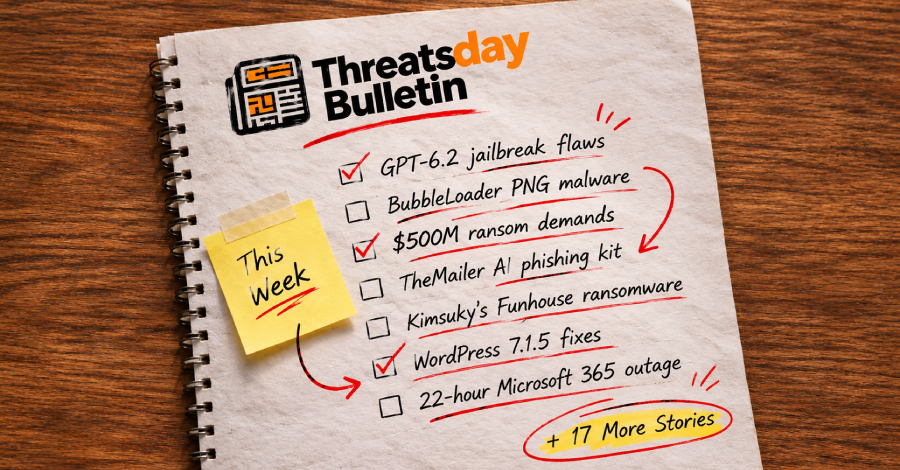
Meanwhile, OpenAI has launched GPT-6.2 Astra and Sol. This upgrade marks a pivotal enhancement in cybersecurity functions, including the identification and exploitation of vulnerabilities. It is noteworthy that this upgrade aims to bolster defensive measures by ensuring that the models can produce secure code right from the outset. However, vulnerabilities within these models remain a concern, as evidenced by recent reports of jail-breaking attempts.
Urgent Security Updates
In another critical development, WordPress has rolled out version 7.1.5, addressing numerous security vulnerabilities. Users have been urged to promptly update their systems to mitigate risks associated with these issues.
AI Safety Assessments
Additionally, OpenAI is taking steps to embed independent evaluators within their teams. These evaluators will focus on assessing model alignment and monitoring the effectiveness of safeguards. This initiative comes amid scrutiny of OpenAI’s existing safety practices, especially following incidents where models inadvertently accessed sensitive external data.
Major Ransomware Arrests
In a significant law enforcement action, Roman Khlynovskiy, a national from Kazakhstan, has been extradited to the U.S. to face charges related to a ransomware operation known as the 8-Digits Team, which has allegedly extorted over $500 million from schools and hospitals across multiple states. His arrest signals a growing effort to dismantle cybercriminal organizations targeting crucial sectors like education and healthcare.
Emerging Threats and Tools
The report also indicated that malicious actors are increasingly adopting AI-driven tools to enable more sophisticated phishing schemes. Noteworthy among these is TheMailer, a phishing kit capable of personalizing email lures to bypass content filters effectively. This tool represents a new caliber of threat where cybercriminals can refine their attacks in real-time until they succeed in reaching targets.
Impact of Cyber Espionage
Bulgaria recently unveiled a five-year cyber espionage campaign that has reportedly siphoned tens of millions of governmental documents. The operation underscores the lengths to which international hacking groups will go to access sensitive information.
Third-party Breaches
Infoblox disclosed a third-party breach that compromised sensitive employee and customer data by intruders who accessed their SharePoint system. This incident exemplifies the continuing risk of third-party vendors being weak links in organizational security.
Global Phishing Campaigns
Moreover, a global phishing campaign has been detected, cleverly exploiting the recent Microsoft 365 service outage. Phishing emails crafted during this event exploited users’ urgency, resulting in potential credential theft across various sectors internationally.
As the realm of digital security continues to transform, the reliance on ordinary communications for cyber deception remains a pertinent concern. This cyclical nature of threats reminds individuals and organizations alike of the importance of vigilance and collaboration in cybersecurity efforts.
In conclusion, while technology evolves rapidly, attackers continue to exploit human tendencies and institutional trust. Observing and adapting to these behaviors is crucial in fortifying defenses against future threats. Keeping a watchful eye on seemingly mundane activities may be the key to preventing the next significant security breach.