
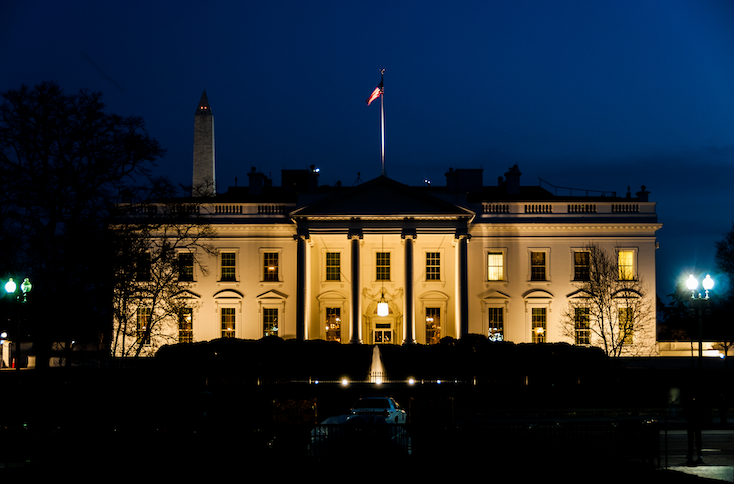


President Trump’s second term has been marked by controversial actions aimed at shrinking the government, which have had a significant impact on federal cybersecurity and consumer protection programs. With mass layoffs, firings, and budget cuts, agencies are struggling to maintain their operations while also facing a new challenge from technologists affiliated with Elon Musk’s Department of Government Efficiency (DOGE).
The Cybersecurity and Infrastructure Security Agency (CISA) has been deeply affected by the administration’s actions, with over 130 employees fired, including those dedicated to securing U.S. elections and combating misinformation and foreign influence. Adding to the turmoil, DOGE employees, led by 19-year-old Edward “Big Balls” Coristine, gained access to CISA’s email and network files, raising concerns about the security of federal data.
Investigative journalist Jacob Silverman uncovered connections between Coristine and a KGB double agent, adding a layer of intrigue to the situation. Meanwhile, DOGE’s systematic access to critical federal databases has raised alarms among security experts, who fear the removal of experienced security officials could lead to vulnerabilities in government systems.
Further complicating matters, Trump’s appointments to key cybersecurity positions, such as the Chief Information Security Officer at the Department of Defense and the National Cyber Director, have raised concerns about the lack of experience in technology and security among the new appointees. This has led to questions about the administration’s approach to cybersecurity and its ability to address emerging cyber threats effectively.
Additionally, the administration’s efforts to curtail the Consumer Financial Protection Bureau’s activities and the disbandment of units focused on foreign bribery investigations have raised concerns about consumer protection and the fight against corruption. The impact of these decisions on financial institutions and regulatory enforcement remains to be seen.
Amidst these changes, Trump’s statements about running for a third term and his questionable relationships with foreign leaders, particularly Russian President Vladimir Putin, have created a sense of uncertainty and instability. The administration’s actions, including the withdrawal of lawsuits against cryptocurrency exchanges and the normalization of relations with Moscow, have raised questions about the government’s priorities and its commitment to national security.
As the federal workforce faces unprecedented challenges and uncertainties, the need for effective cybersecurity and protection of critical infrastructure becomes more urgent. The administration’s decisions and appointments will shape the future of cybersecurity and consumer protection in the United States, with lasting implications for the country’s security and economic well-being.