


Government,
Industry Specific,
Regulation
White House Criticizes Cyber Defense Agency – and Proposes a Steep $700 Million Cut
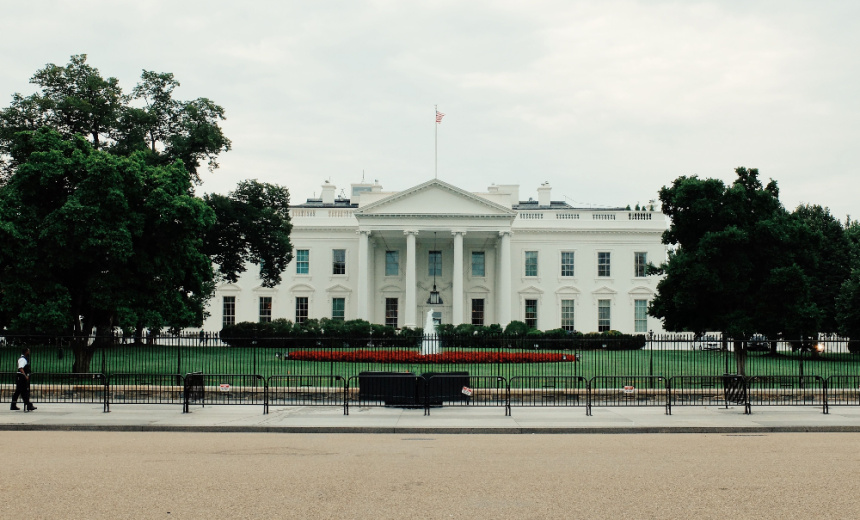
The White House has put forth a controversial budget proposal that calls for significant reductions to the funding of the Cybersecurity and Infrastructure Security Agency (CISA). This proposal indicates a growing tension regarding the agency’s operational effectiveness and its strategic direction, particularly following a year that was marked by difficulties including personnel layoffs, funding pressures, and escalating external cyber threats.
In this budget outline for fiscal year 2027, a staggering $707 million cut has been proposed, which translates to approximately a 30% reduction in CISA’s operating budget. The administration’s intent appears to refocus CISA’s mission more narrowly on critical infrastructure and federal network protection. This move diverts attention from broader functions such as coordination and information-sharing, which have been vital to the agency’s role in cybersecurity management. The White House has been vocal in its critique, remarking that CISA has prioritized issues they consider less relevant, stating, “CISA was more focused on censorship than protecting the nation’s critical systems.”
This proposed funding cut arrives amid an unstable period for CISA, which has faced significant operational and workforce challenges. These issues have been exacerbated by repeated government shutdowns in 2025, placing undue strain on the agency’s capability to maintain a proactive cybersecurity posture. Over this time, the administration has persistently scrutinized CISA, alleging that its management practices introduced inefficiencies and risks, while also accusing the agency of self-promotion rather than focusing on its core mission.
This reduction in funding is expected to have profound implications for CISA’s operational capabilities and its relationships with critical external partners. The budget proposal anticipates major limitations on mission support and stakeholder engagement initiatives, practices that are essential for effective collaboration with state and local governments as well as private sector entities responsible for critical infrastructure. Previous former employees at CISA have indicated that many divisions facing budget cuts have historically been the backbone of federal efforts to disseminate cyber threat information since the agency’s inception in 2018.
Detailed budget documents highlight a decrease in three key funding categories: personnel, contractor support, and equipment acquisition. This decline may further restrict CISA’s operational capacity, as these elements are crucial to maintaining the agency’s core functions. Total operations funding is expected to plummet from around $2.38 billion to approximately $2.02 billion, with personnel compensation slated to reduce from about $746 million to $607 million, in addition to steep cuts to contractor support.
Moreover, the budget seeks to implement a $40 million reduction associated with reorganizing the Office of Countering Weapons of Mass Destruction (CWMD), which is proposed to become a standalone office within CISA. This restructuring aims to streamline the office’s responsibilities while reallocating key operational duties throughout the Department of Homeland Security (DHS). Under this proposed model, CWMD will maintain policy oversight and research, but critical operational responsibilities could be transferred to other components within DHS, including Customs and Border Protection (CBP), the Transportation Security Administration (TSA), the Secret Service, and the Coast Guard.
Despite the administration’s assertions that these cuts are essential for eliminating redundancies with state and local agencies, concerns have been raised by state officials and industry representatives who rely heavily on CISA’s expertise for key services such as threat intelligence and incident response support. The capability to provide comprehensive cybersecurity assistance is deeply entwined with CISA’s functions, and many stakeholders worry that these proposed cuts may leave significant gaps in support and services, particularly during heightened periods of cyber threat activity.
As discussions around this budget proposal continue, critical questions loom regarding how CISA’s responsibilities will be managed and whether other agencies will be equipped to absorb these essential functions. Historical programs focusing on election security, critical infrastructure coordination, and cross-sector risk management have been integral parts of CISA’s operations. The future of these vital roles remains uncertain as the proposed budget moves forward.
CISA has not yet issued a public response to the proposed budget cuts or the associated claims surrounding its performance.