
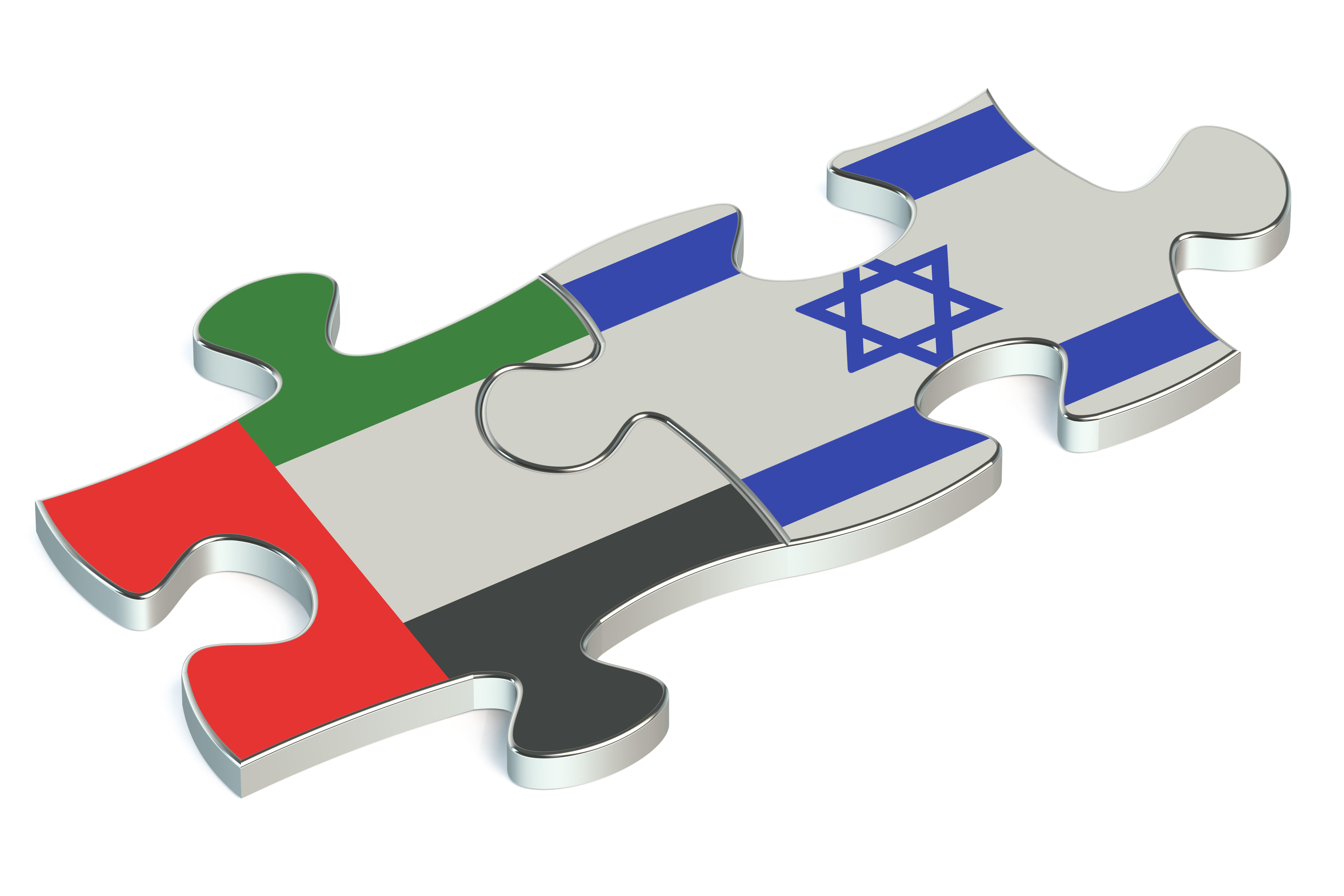
The United Arab Emirates (UAE) and Israel have taken a significant step towards strengthening their relationship by announcing the joint development of a threat intelligence-sharing platform. The platform, known as “Crystal Ball”, aims to combat cybersecurity threats by facilitating collaboration and information sharing related to national-level cyber threats. This initiative represents a watershed moment for the two regional neighbors, who have historically experienced tensions and conflicts.
The Crystal Ball project is expected to enhance the participating countries’ ability to detect and repel hackers effectively. It will be supported by technology giants Microsoft, Israel’s Rafael Advanced Defense Systems, and Abu Dhabi’s CPX. Additionally, several other countries are slated to participate in the initiative, although their identities have not been disclosed.
Mohamed Al Kuwaiti, the Emirati cybersecurity chief, has emphasized that the platform will enable partner countries to share information seamlessly. By pooling their joint capabilities, processing power, and vast volumes of data, the participating nations hope to collectively strengthen their cybersecurity defenses. During a speech at the Tel Aviv Cyber Week conference, Al Kuwaiti stated, “Cyber threats do not distinguish between nations, do not distinguish between entities or people, and that is why we need to unite against those threats. The Crystal Ball that we are aiming for the whole community will be the first step toward that.”
The announcement of this joint effort has been welcomed by experts in the field. Nadir Izrael, co-founder and CTO of Armis, believes that nations must collaborate to develop comprehensive and effective responses to cyber warfare. Drawing attention to recent cyberattacks on Israel, which were allegedly orchestrated by groups associated with Iran and Russia, he stressed the importance of investing in cybersecurity measures to protect nations from such attacks. Izrael commended the Crystal Ball project, asserting that it should serve as a model for other governments and organizations looking to bolster their cybersecurity systems. He asserted that advanced systems, coupled with threat intelligence capabilities, could help detect malicious behavior and prevent attacks.
Beyond the cybersecurity benefits, the collaboration between the UAE and Israel holds potential implications for diplomatic relations in the Middle East. The UAE’s association with Israeli tech companies has played a crucial role in their transition to a digital economy. This collaboration stems from the normalization of diplomatic relations, which occurred as part of the Abraham Accords signed in September 2020. By leveraging Israel’s expertise in the tech sector, the UAE has been able to strengthen its commercial and strategic ties with its regional neighbor.
Ryan Westman, senior manager of threat intelligence at eSentire, highlighted the significance of the threat intelligence sharing agreement between Israel and the UAE. He noted that such agreements are not unprecedented, as information-sharing and analysis centers (ISACs) have existed for some time. However, this collaboration between two states that were once at geopolitical odds is noteworthy. Westman emphasized that partnerships like this can have a more extensive impact by improving the overall security posture in the region. A collective effort to detect potential threats in the wider threat landscape benefits everyone involved, including other countries within the region.
The UAE-Israel collaboration on the Crystal Ball platform demonstrates a recognition of the pressing need to address cybersecurity threats collectively. By leveraging the strengths of their respective countries, these once-fractious neighbors are taking significant strides towards building a more secure and resilient world. The project serves as a powerful testament to the potential for diplomacy and collaboration to overcome historical differences and forge a path towards a safer digital future.